ENERGY
When we hear the word “energy,” we usually think of electricity or the energy we wish we had on an early winter morning.
What exactly is energy? Energy has always existed, even before humans invented the wheel and fire. We usually say that something has energy if it can perform a task. Solar energy makes plants bloom, kinetic energy makes twigs float in a stream, and thermal energy causes boiling water to evaporate.

Energy is essential for life. None of us can live without energy. We need food and drink for our bodies to function. You use kinetic energy when you ride a bike, and when you’re outdoors, solar energy helps your body produce important vitamins.
We use energy in the form of heat, electricity, or fuel to light up rooms, heat our homes, keep food cold, and power cars. We generate this energy from various sources, such as uranium, oil, water, gas, biomass, solar, wind, geothermal energy, and geothermal energy found deeper within the bedrock.
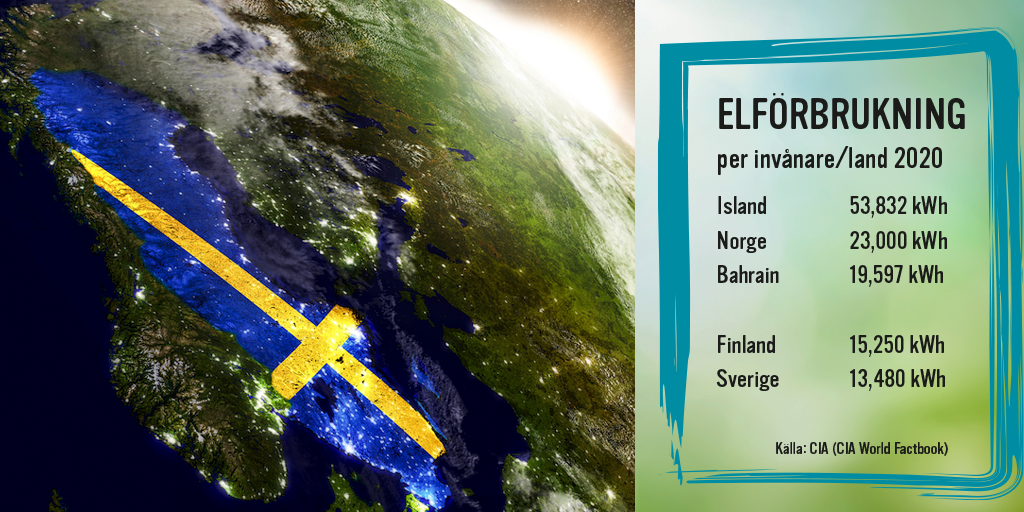
Because of our cold climate, our dark winters, and our energy-intensive industry, we in Sweden use a great deal of electricity. We rank ninth on the list of the world’s top electricity-consuming countries.
Electricity

Sweden is thus one of the countries that uses the most electricity in the world, per person, and we generate that electricity primarily through nuclear, hydroelectric, and wind power. We’ve grown accustomed to electricity always being available; it’s something so taken for granted that we don’t even think about it. It’s not until there’s a power outage that we’re reminded that electricity isn’t something that’s automatically generated by nature.
Heat
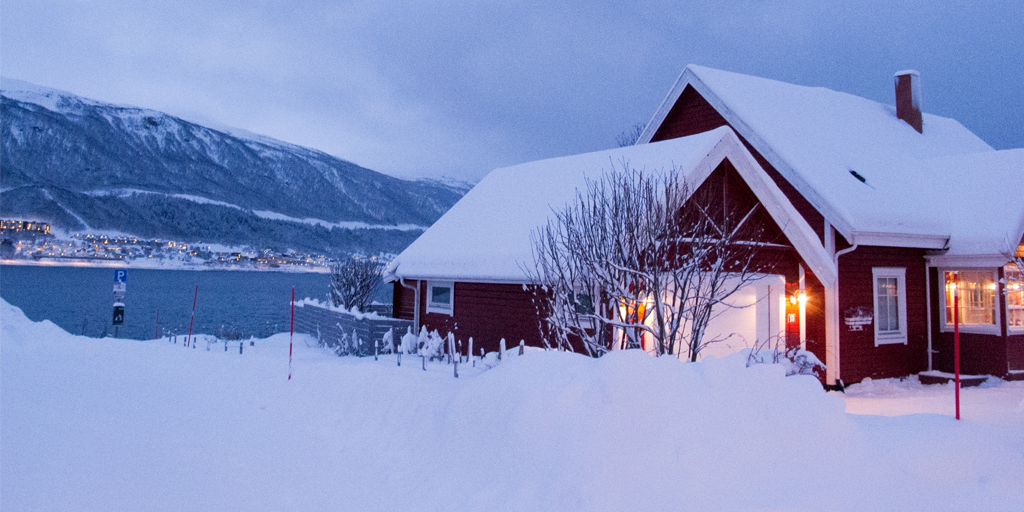
We use energy to heat our homes when it's cold. In urban areas, most high-rises and apartment buildings are heated with district heating.
Biofuels such as wood chips and other materials are burned in heating plants and combined heat and power plants, but they also come from recycled heat produced by industries. The heated water is then pumped to the homes through underground pipes.
Many single-family homes are heated with electric heating; either the electricity is used directly to power the radiators, or a much more efficient heat pump is used to heat water, which is then circulated through radiators or underfloor heating loops. Nearly half of the single-family homes are heated entirely or partially by biofuels such as wood and pellets. A few homes are heated with oil, or a combination of oil and electricity.
District Heating
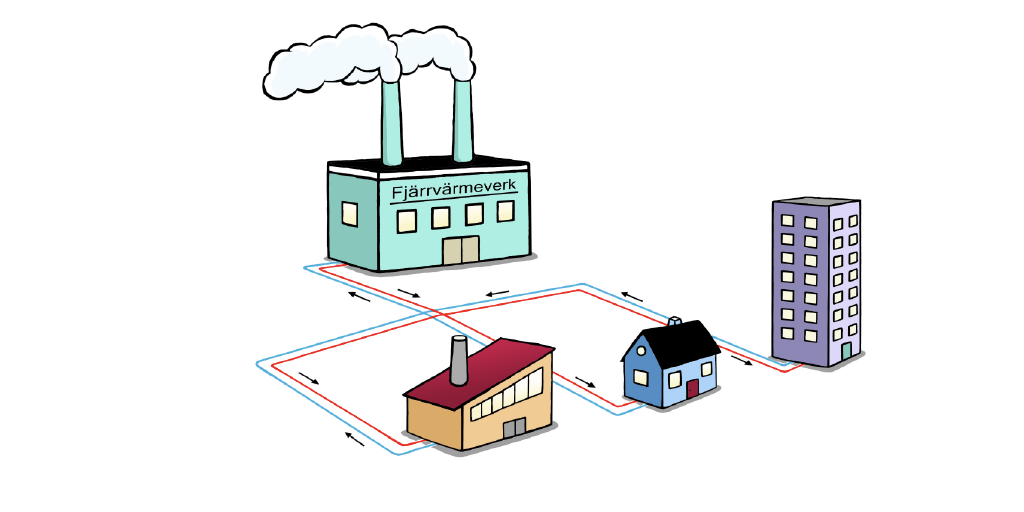
The term “district heating” refers to heat that comes from somewhere far away. Half of all Swedes currently get their heat through district heating. The system is similar to the body’s own circulatory system. The district heating plant (the heart) pumps heat throughout the city (the body).
Heat from District Heating
District heating is produced by burning various types of fuel in a large boiler. Once the fire in the boiler has heated the water to over 100 degrees, it is pumped out to hundreds of thousands of homes through pipes buried underground. When the water reaches our homes, it heats the hot-water pipes so that we can have heat in our homes and hot water from the faucet.
However, the district heating water is never mixed with the drinking water. We would notice that anyway, since it has been colored with a harmless green food coloring to make it easier to detect any leaks.
By the time the water returns to the district heating plant, its temperature has dropped to 40–50 degrees. During the winter, the water is also put to good use on its way back, for example by heating sidewalks and soccer fields to keep them ice-free. Facilities that also generate electricity are called combined heat and power plants.
Cooling from district heating
This closed-loop method is also used to produce district cooling. The water is cooled before it is pumped out, or water from lakes or the ocean is used. The demand for cooling is actually growing in Sweden. On the one hand, we need to store food in a cool environment; on the other hand, we are using more and more electronics, which in turn require air-conditioned server rooms, offices, and department stores.

Environmentally Friendly Energy That Saves Resources
District heating has many advantages. Heating many households from a single facility saves energy. In addition, many district heating plants process waste that cannot be recycled—which would otherwise have ended up in a landfill
somewhere—while also eliminating the need to extract more raw materials from nature to produce energy.
One person's trash is another person's treasure
For example, some district heating plants burn household waste, while others burn biofuels and recycled fuels. Biofuel refers, for example, to wood chips, tree tops, and branches left over from logging. Recycled fuel usually consists of wood, plastic, and paper from offices, stores, and industries, as well as wood chips from construction sites that cannot be recycled further.
One of the world's largest facilities is located in Sweden
In Södertälje, just south of Stockholm, lies the Igelstave plant—one of the world’s largest bioenergy-fired combined heat and power plants. District heating water is pumped through 5,000 kilometers of pipes to approximately 300,000 people, as well as to industrial facilities, businesses, office buildings, sports facilities, and hospitals. The plant also generates electricity for over 100,000 households.
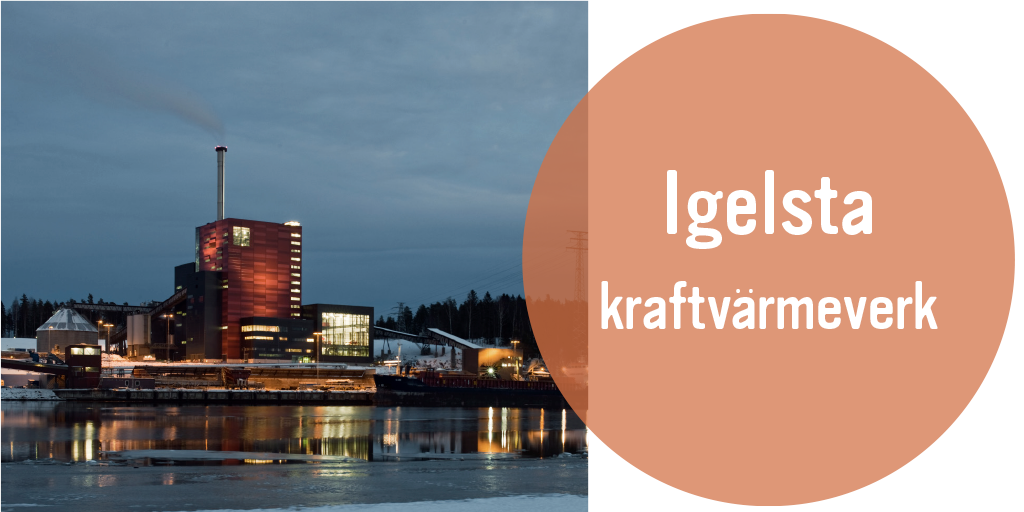
The Igelsta plant is known for its advanced purification technology. When biofuels and recycled fuels are burned, flue gas is produced that contains, among other things, sulfur oxides and particulate matter. However, the purification technology at Igelsta reduces the sulfur dioxide content by 90 percent and the particulate matter content by 99.95 percent.
Transportation
We’re constantly moving from one place to another—by car, bus, train, or subway.
All vehicles require some form of energy. Most are fueled by fossil gasoline or diesel; some run on renewable biodiesel, ethanol, or biogas; and a few are powered by electricity.

DID YOU KNOW THAT...
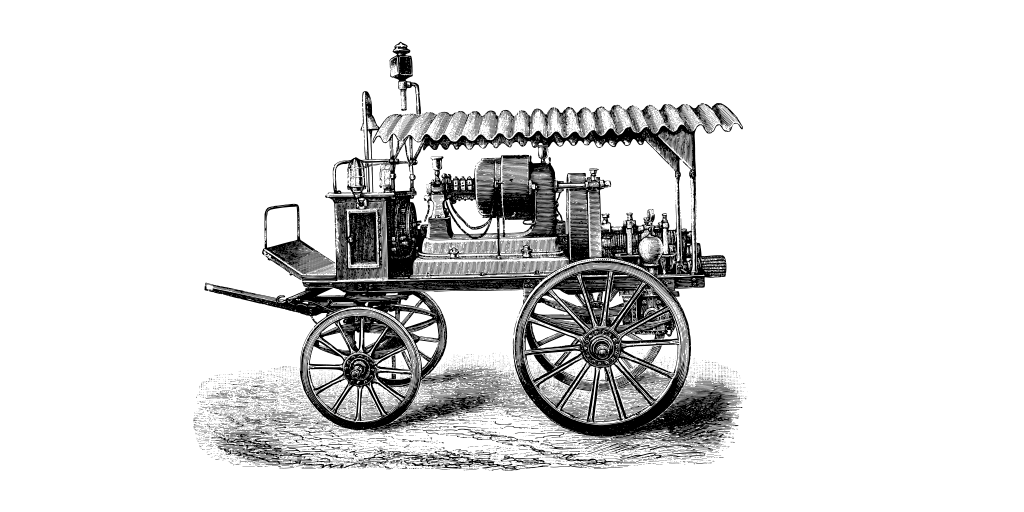
Did you know that in the early days of the automobile, most cars were powered by electricity? The first electric cars were invented as early as the 1830s, but unfortunately they were replaced by gasoline- and diesel-powered cars because the lead-acid batteries used at the time were bulky and didn’t provide enough range for longer trips.

Think about:
How did you get to school today?
How did your teacher get to work today?
How do your parents get to work?
Have you ever experienced a power outage?
How did you cook back then?
Did you light any candles?
Try it
How energy-savvy are you?

1. I turn off the lights in my room…
2. When I'm not using the computer…
3. Energy-saving light bulbs…
4. Once I've charged my cell phone…
5. If I turn off appliances and turn off the lights, it's because…
6. I usually take a shower for about…
7. If I wash something, I wash…
8. If I'm going to cook pasta or something, then…
Your answers are worth different points! Add them up and see what level you ended up at.





1. A Google search uses about as much energy as your body burns in…?
2. You use the least amount of electricity when you heat water for tea…
3. Which option reduces energy consumption by 60 percent when boiling water in a pot?
4. A family has four computers connected to the internet 24 hours a day for a year. After receiving a high electricity bill, they start turning off the computers completely. How much money do you think they can save in a year as a result?
5. It takes the same amount of energy to make a pair of jeans, a T-shirt, and a cotton sweater as it does to cook (how many?) servings of spaghetti.

- Buy clothes at a thrift store.
- Organize clothing swap days at school or with friends.
- Don't wash your clothes too often; that way, they won't wear out as quickly. If they aren't dirty or sweaty, just airing them out is enough.