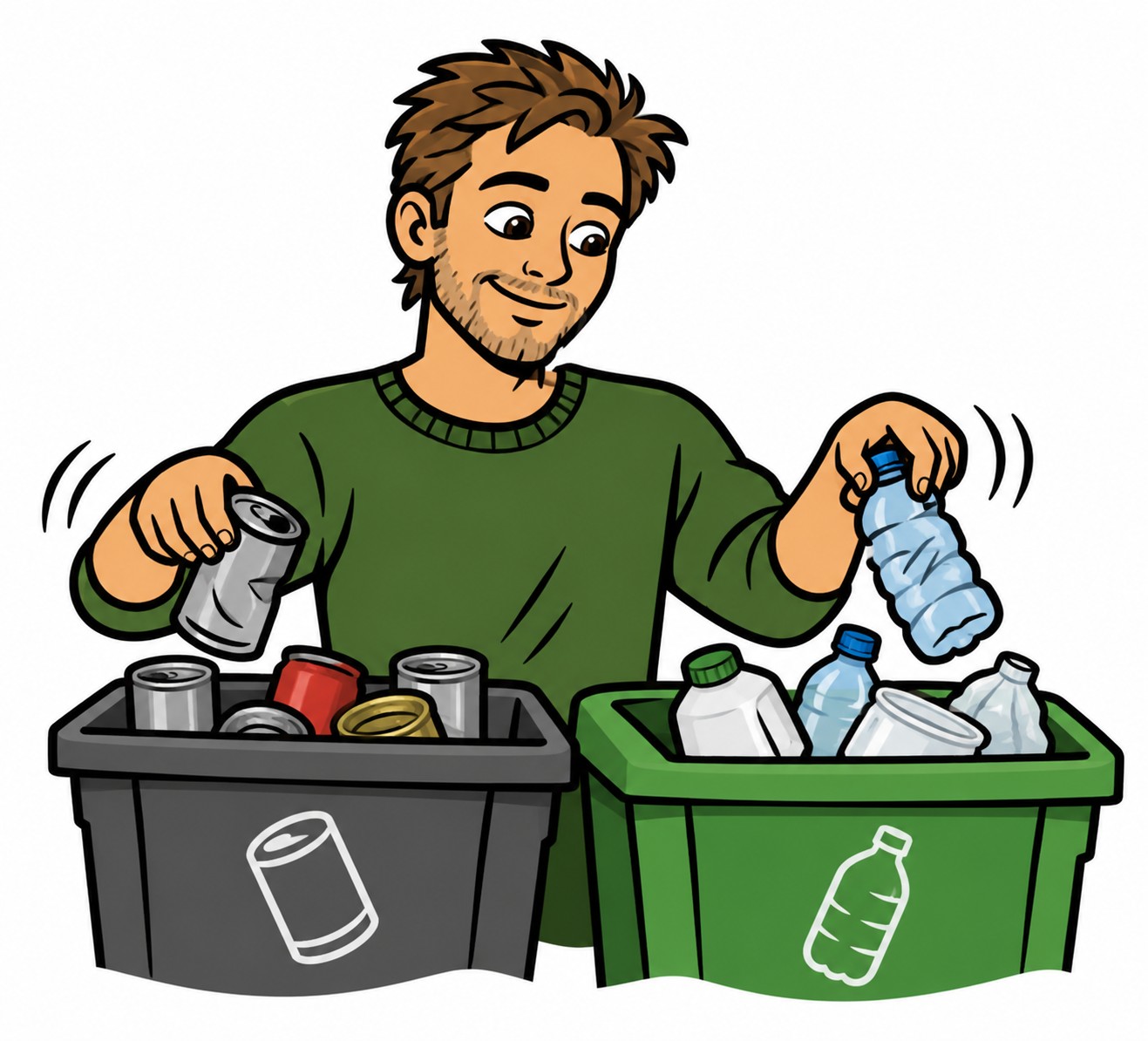
TIP 2: EVERYONE WINS WHEN WE RECYCLE!
Ett av de bästa sätten att hjälpa naturen är att återvinna det vi använder. Ju mer vi återvinner, desto mindre skräp hamnar i naturen! När vi lämnar en tidning till pappersinsamlingen blir den gamla tidningen till papper som sen används för att trycka nya tidningar.
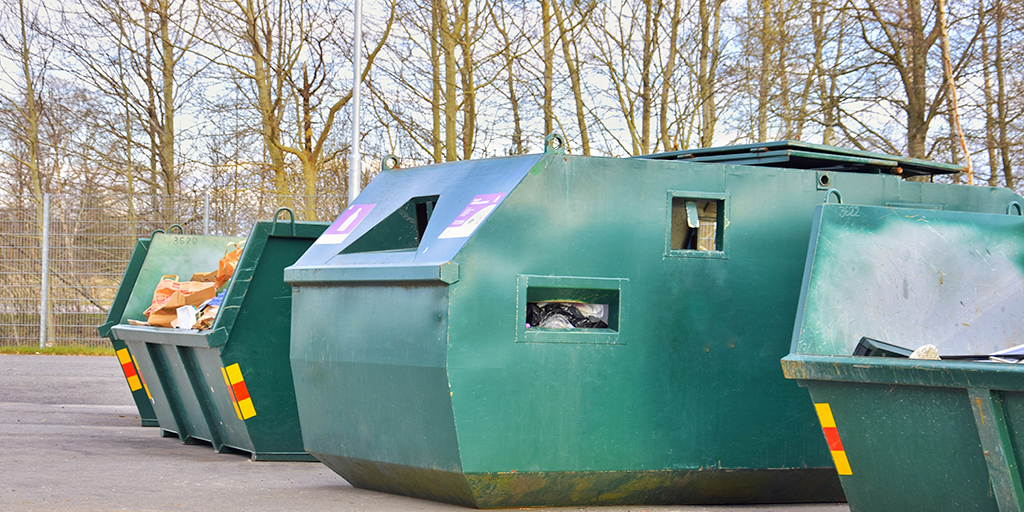
We do much more for the environment than we realize when we sort our waste. With every piece of packaging (and newspaper) we put out for recycling, we’re helping to protect the environment. The materials we recycle can be used as raw materials, which means we can conserve natural resources.
Here's How Electronics Recycling Works!
Did you know that…
- We take recycling so seriously that we’ve passed a law about it! Under the law, everyone in Sweden must recycle packaging and newspapers. We are no longer allowed to throw them in the household trash or as general waste. Food waste must also be sorted these days.
- The total amount of plastic packaging collected over the past five years is equivalent to 1.5 laps around the Earth made up of dish soap bottles lined up end to end.
- Steel, aluminum, and glass are materials that can be recycled an unlimited number of times.
- Manufacturing packaging from recycled paper requires 40 percent less energy than manufacturing it from virgin fiber.
- About half of all plastic packaging ends up in the trash and never gets the chance to be recycled. Help increase the amount of recycled plastic by sorting more plastic packaging. Every piece of packaging counts!
Here's How Your Family Can Become Sorting Pros!
Think about it
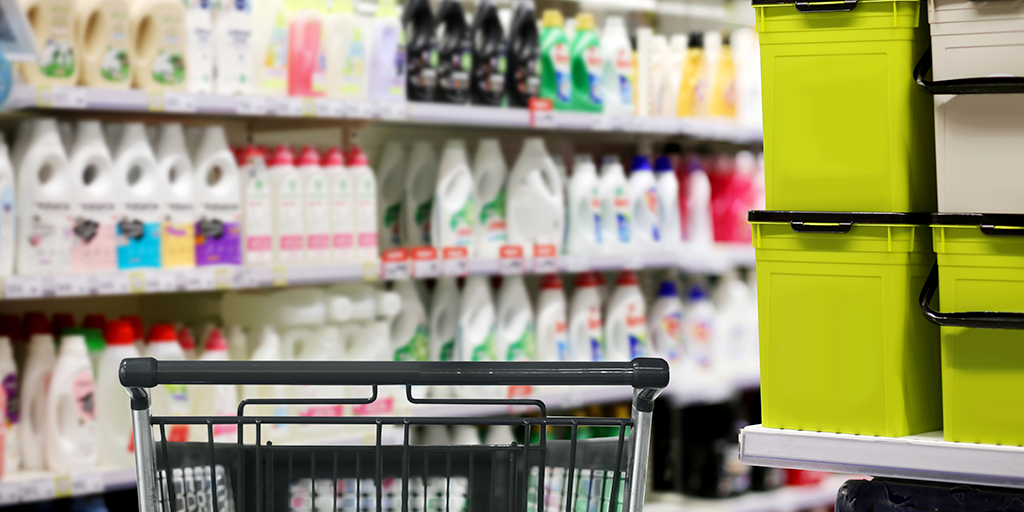
Have you ever thought about the fact that most of the products we buy come in some kind of packaging? Shampoo, dish soap, and ketchup, for example, are usually sold in plastic bottles. Think about it while you’re at the store—what outer packaging can you leave behind right there?
Take apart, flatten, fold, and sort

Sort
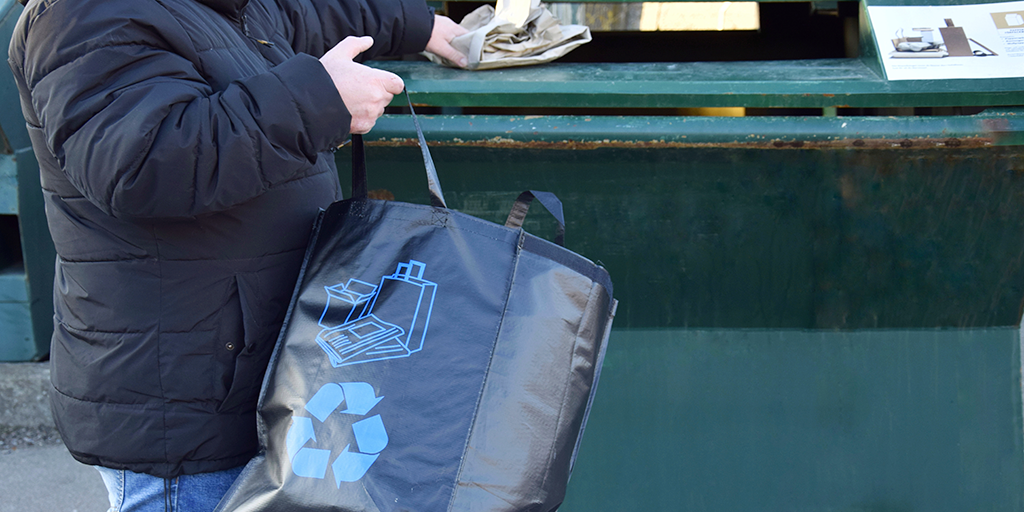
If the packaging is made of more than one material and you can separate them, please do! For example, unscrewing the metal lid from a glass jar is easy. But if it seems difficult, you can leave the parts together—much of this can be sorted out during the recycling process itself. In that case, sort the packaging according to the material that weighs the most. Not sure where to dispose of something? Look at the packaging. It contains instructions in both pictures and text. There are also labels on the recycling bins.
Find out more
You can read more about how to sort your trash on the sopor.nu website
Climate-smart = fashion-smart
Think of your used clothes as a resource, not just as trash.
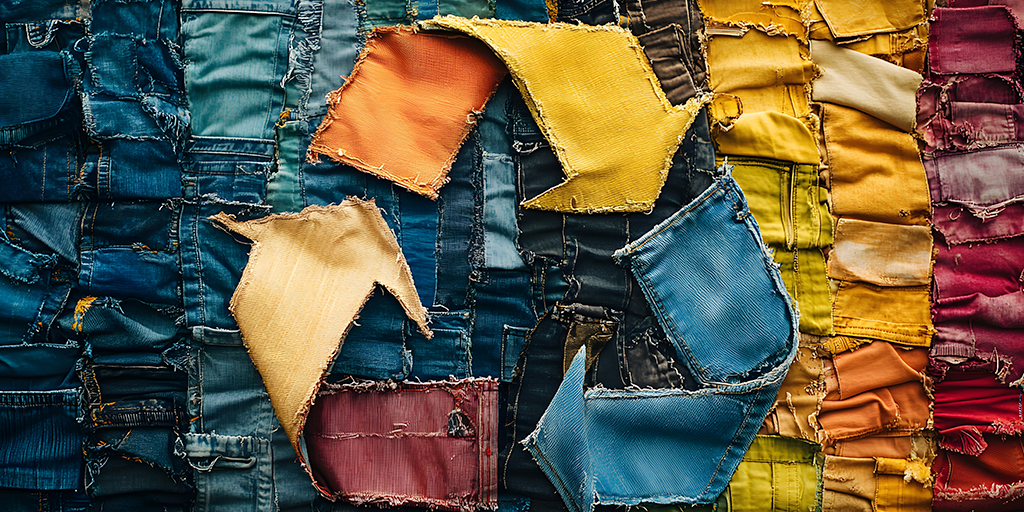
So: try to use it, sell it, or give it away—or dispose of it as trash.
Reuse
Step One—try giving the garment one last chance.
Is it broken?
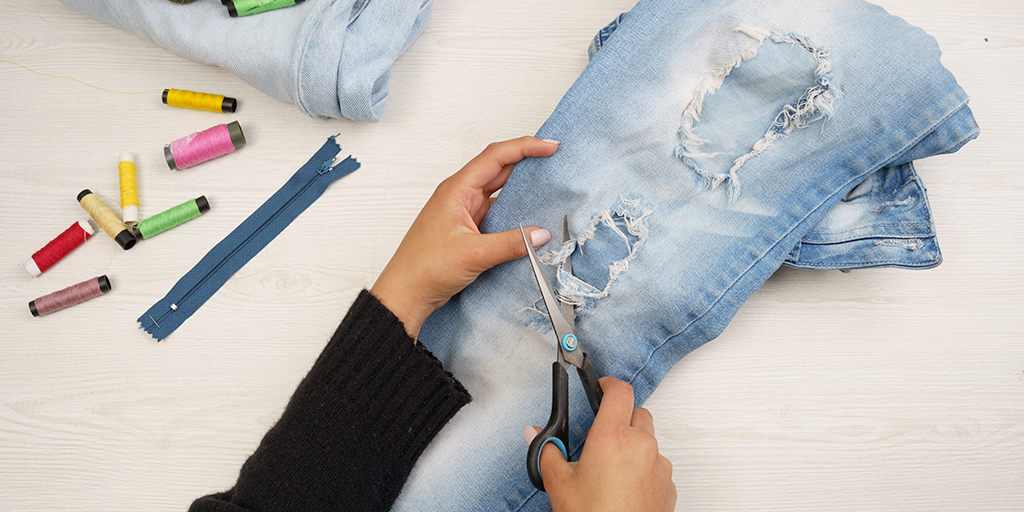
Fixholes and sew on buttons.Turnjeansintodenim shorts or a fabric bag. You can do more than you think! You can find tutorials—videos that show you how—on YouTube, Pinterest, and Instagram.
Are you tired of that piece of clothing?
Sellthe item at a flea market or through Blocket, Tradera, Marketplace, or Sellpy. You can also organizea clothing swapwith your friends ordonatethe clothes to charity.
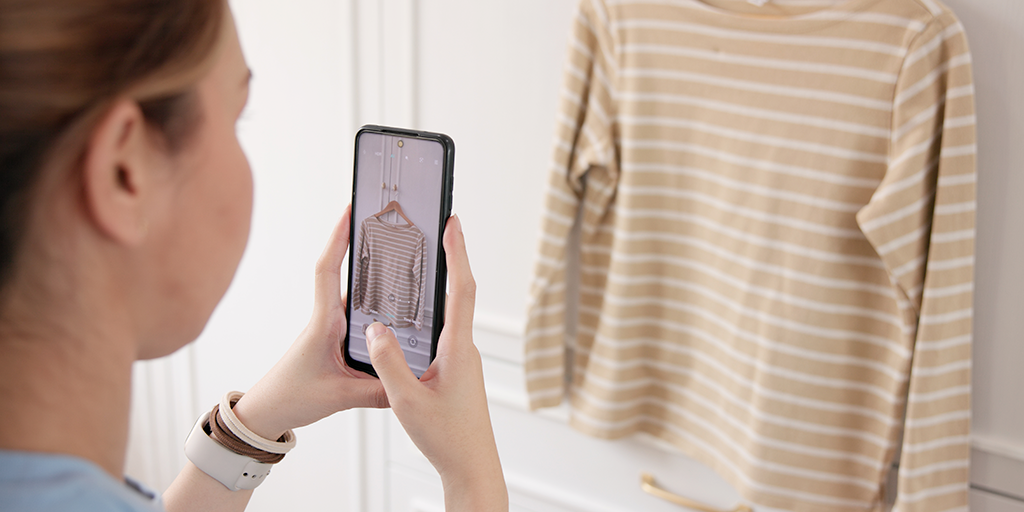
If it can't be reused—recycle it
Step 2.
- 1. Make sure it is clean and dry.
- 2. You can always drop off clothing waste at your nearest recycling center.
- 3. There may be collection bins for textile waste at the paper recycling center. The municipality is responsible for collecting textile waste, so you should be able to find information on their website.
- 4. In some cities, there are pop-up recycling centers that appear in various locations and recycling buses that drive around collecting items that can be recycled. Search the Internet for "recycling buses."
Dangerous Fast Fashion
The reason we need to think carefully about our clothes is thatthe fashion industry causes twice as many climate emissions as the aviation industry.This is due in part to the manufacturing process and distribution, and in part to the fact that more clothes are being produced. In the past, clothing stores would launch a new collection for each new season. Today, new clothing is released every week—and it’s often cheap, low-quality clothing.
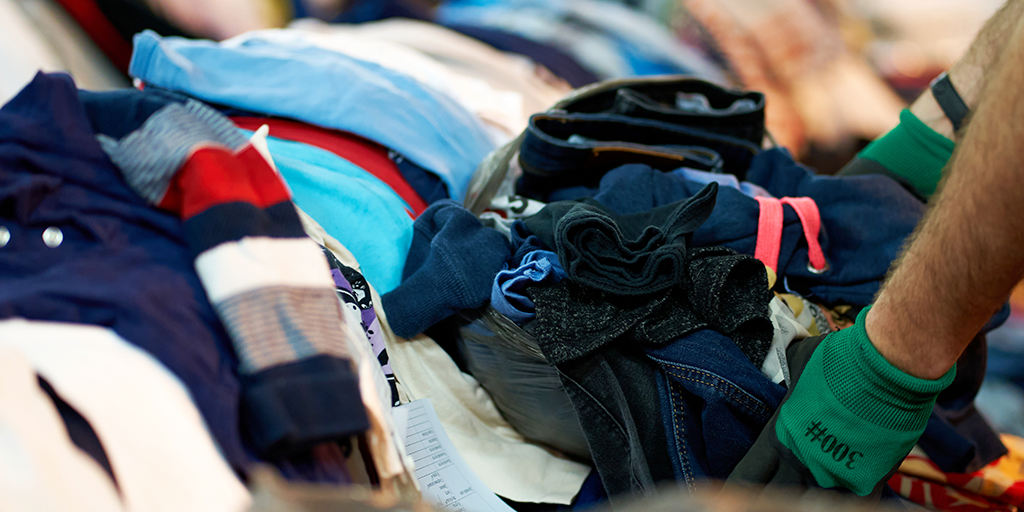
When we buy more than we need, our closets get full. We forget about the clothes we don’t see, so there are some items we never wear. Eventually, we run out of space, so we have to throw some away. Swedes throw away an average of9 kilograms of clothing per person per year.In total, we throw away 32,000 metric tons = 32 million kilograms of clothing.
The clothes we buy are shipped back and forth across the globe, resulting in significant transportation emissions. Returns and recycled items don’t always end up where we think they do. Most of them are burned in massive garbage dumps in poor countries, causing toxic chemicals to leak into the environment.
A Growing Mountain of Electronic Waste—and Ideas for Solutions
Our broken electronic devices are the fastest-growing type of waste in the world. Cell phones are one of our most common electronic devices, and we often replace them even though they still work.
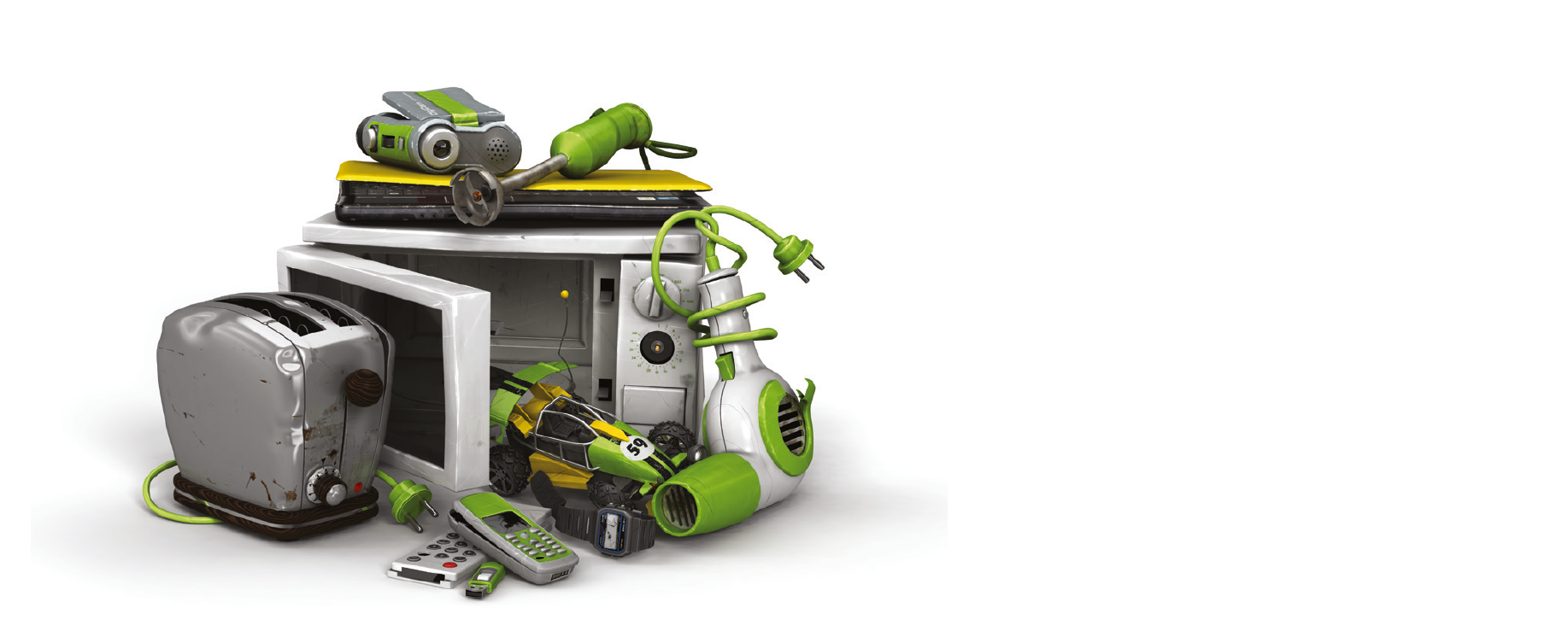
Today, 6 of the world’s 7.8 billion people own a cell phone; some have more than one. Every time we replace our cell phone, we use up the Earth’s resources.
We generate more electronic waste every year. The way electronic waste is managed varies from country to country. In many places, electronic products are thrown directly into landfills, even though toxic substances in the materials can leach into the environment and harm people, animals, and the environment.
Which method is best for the planet?
In recent decades, the number of electrical appliances in our homes has increased dramatically. So has the world’s population—and now that nearly the entire world has access to electricity, the demand for more electric products is also rising. At the same time, electric products have become cheaper to manufacture, which means we’re buying more of them.
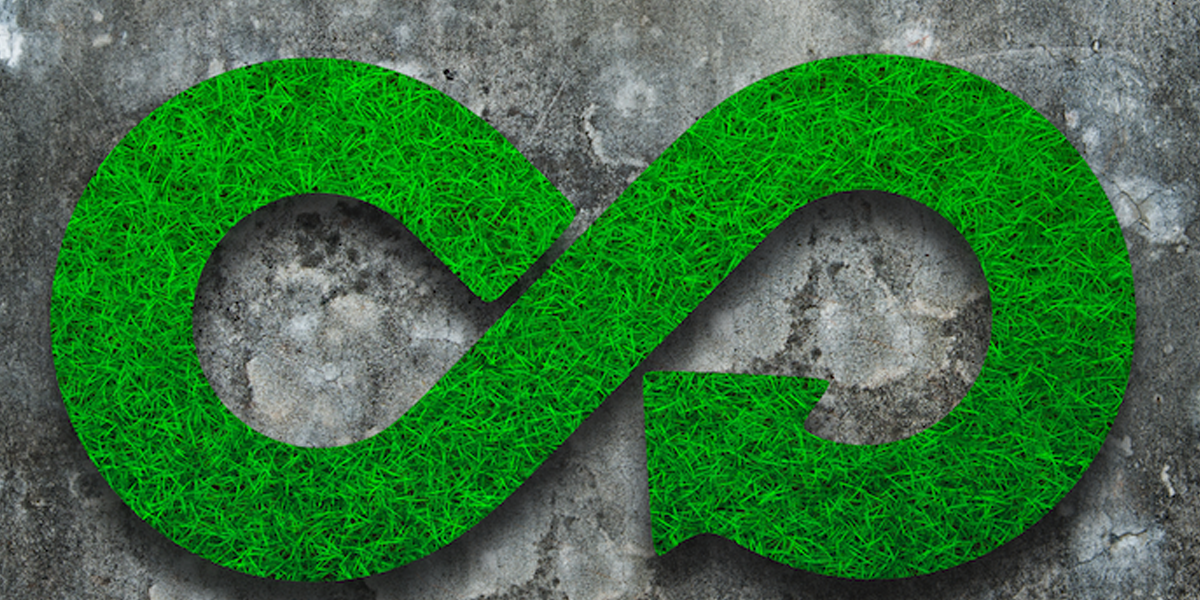
The more we consume, the more important it is that we adopt a circular approach. This means we must protect nature from toxins in products and conserve natural resources by reusing and recycling as much as possible.
The EU has now launched a plan for how we will transition to a circular economy.
Linear Economy
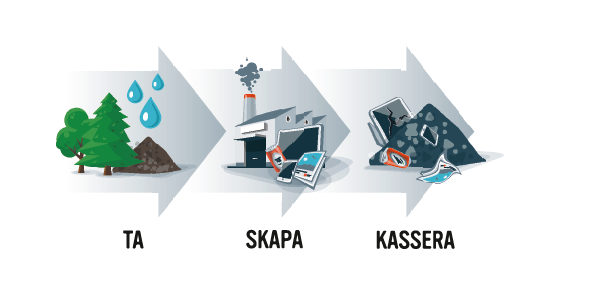
Our old way of life, based on the linear economy, was all about producing and selling.
Circular Economy
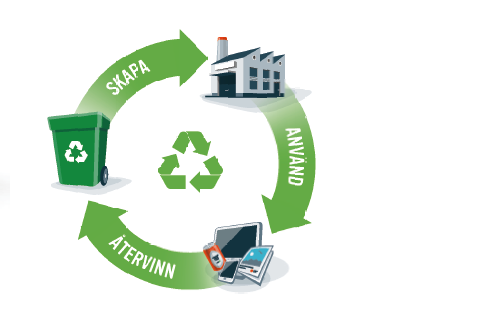
The circular economy is like a cycle and focuses on balance. The idea is that we should produce, consume, and recycle more products to conserve the Earth’s resources and protect the planet from hazardous toxins.
Where do our old cell phones end up?
What happens to our old cell phones when we buy a new one? Sometimes we trade them in to get a discount on the price. They are then repaired and sold to other countries where the secondhand market for cell phones is larger. Some people choose to sell their old cell phones online themselves, while others give them to a friend or family member. Many cell phones are also sent for recycling.
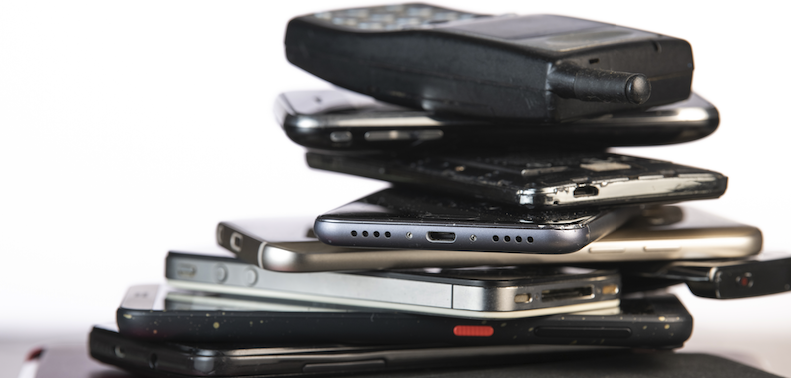
Time to recycle or replace?
De mobiler som återvinns sorteras och plockas isär. Sedan separeras de olika delarna. Giftiga ämnen hanteras i slutna utrymmen och det som finns kvar krossas, varpå det delas upp i olika högar av material – som i sin tur återvinns eller blir till energi.
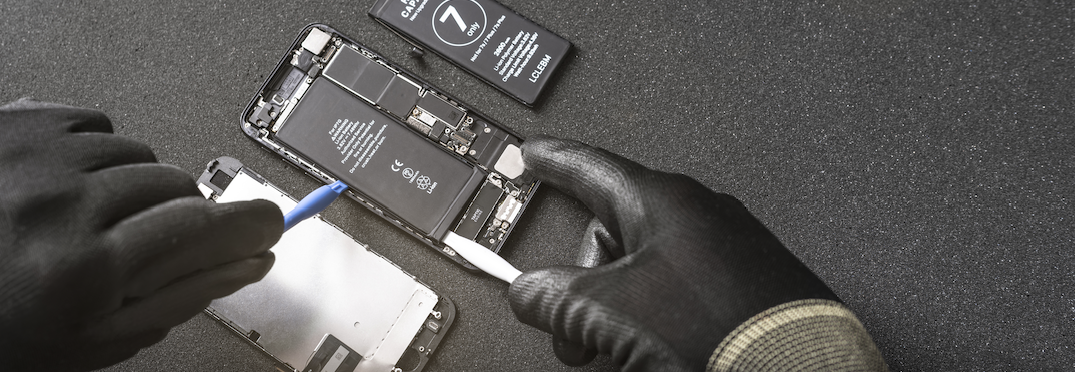
Help the environment—recycle your batteries!
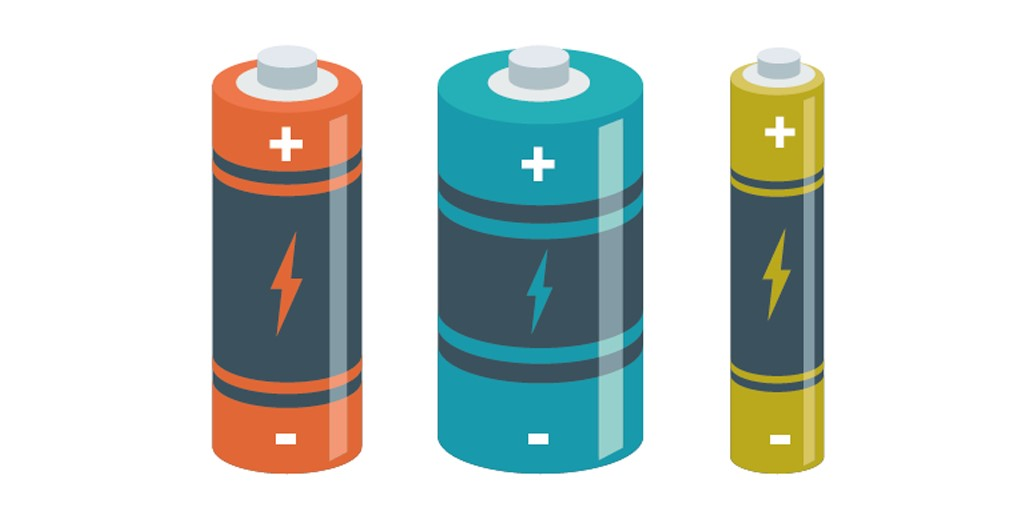
Batteries make everything so convenient. We don’t have to deal with cords and can take our devices with us everywhere. But batteries can also be dangerous. They contain toxic substances that can harm both nature and the animals that live there—as well as us humans—if they end up in the environment. And that’s exactly what happens when we throw batteries in the trash. If, instead, we drop them off at a battery collection bin at the nearest recycling center, the metals inside can be melted down and turned into new products.
If we sort our trash, we can turn much of it into new products. Old newspapers are turned into new paper. Glass bottles and jars are melted down to make new glass products.
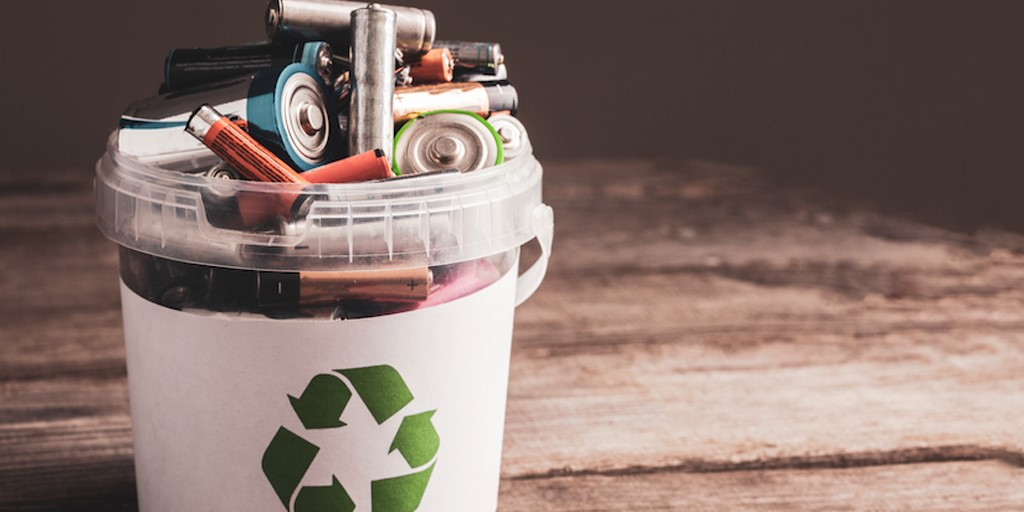
Every time you put glass, metal, and plastic in the correct bins at the recycling center, you help reduce the mountain of trash!
Recycle more!
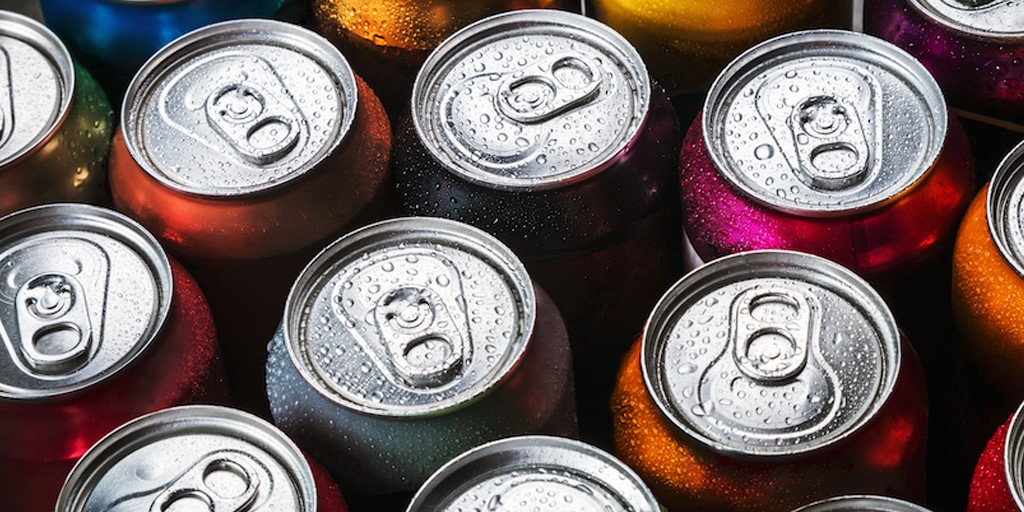
- In 2024, we returned more than 2.15 billion cans and PET bottles for a deposit in Sweden! That’s something to be proud of.
- Each person returned an average of 271 cans and bottles.
- Every can we return can become a new can.
Talk it over with your family!
Reuse old stuff. Use your imagination and come up with new ways to use these things.
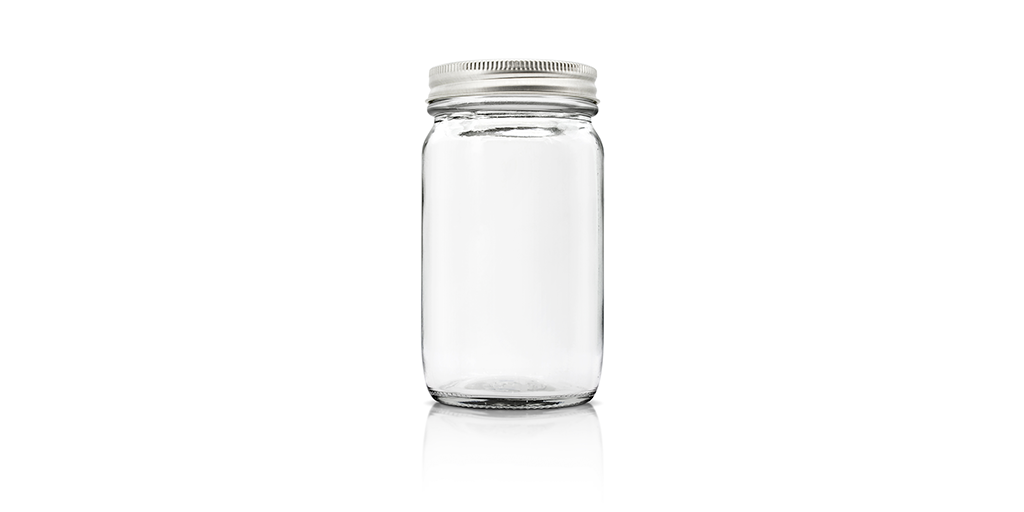
A glass jar—what can you make with it?
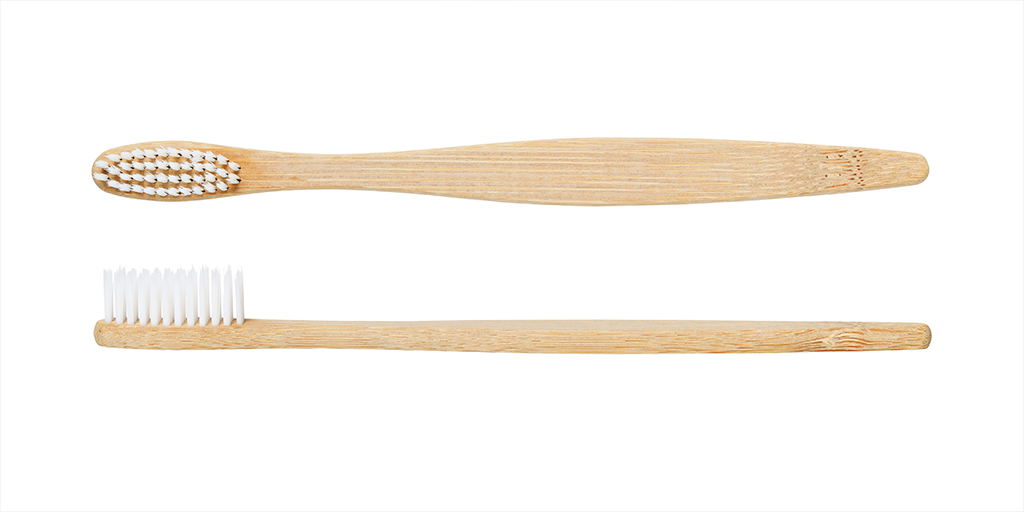
A toothbrush?
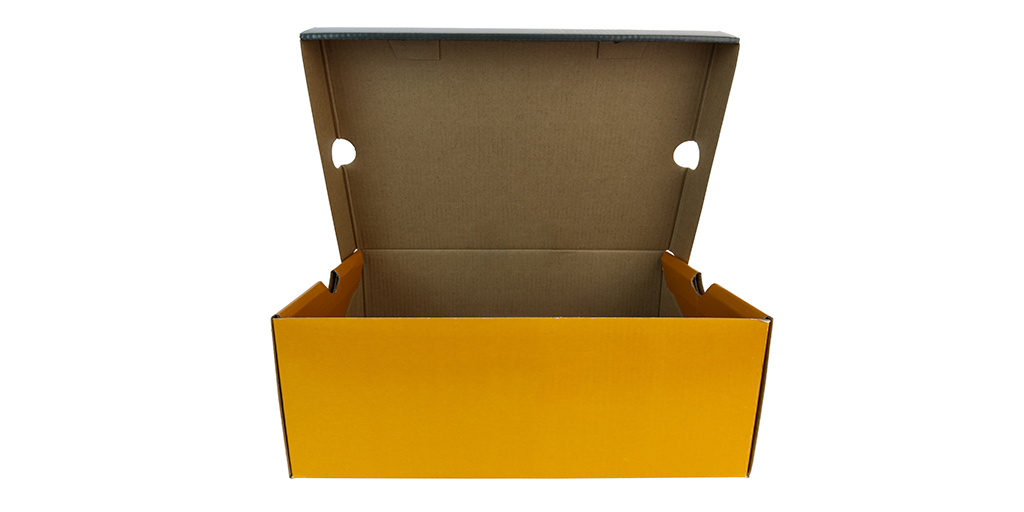
A school box—what could it be?
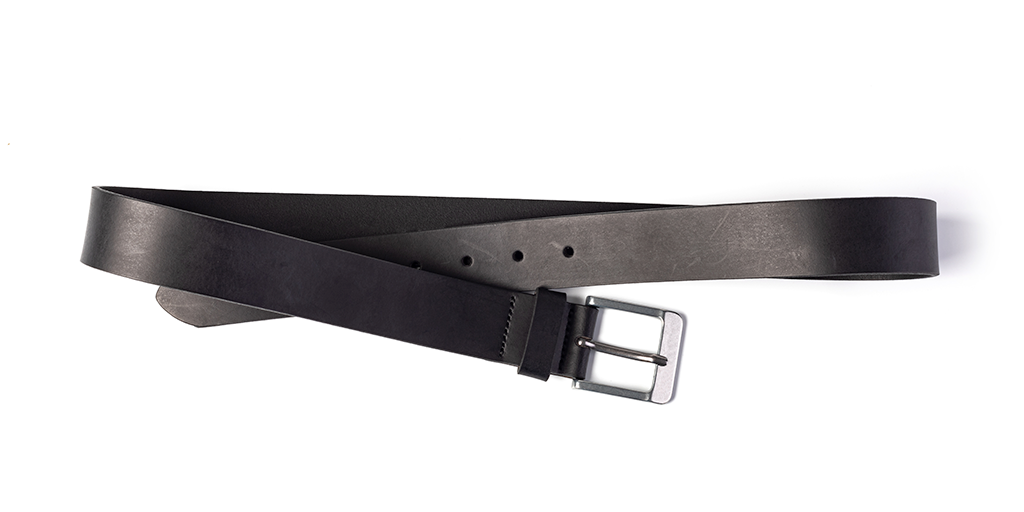
A belt—what can it hold together?
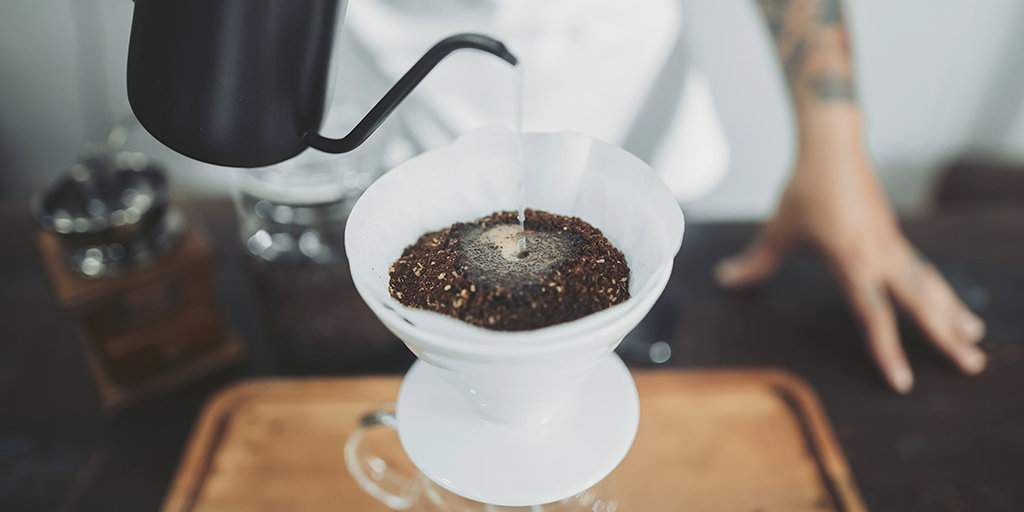
A coffee filter holder and filters—it's not just coffee that needs to be filtered.


For this assignment, you'll need your parents' help. Ask them to answer the questions. Then add up the points next to each option. You'll see the result—which type they are—further down.
Where do you dispose of old batteries?
What do you do with the newspaper after you've read it?
What do you do with your empty plastic bottle?
How do you dispose of cardboard boxes?
What do you do with tin cans and other metal?
Where do your empty glass bottles end up?
What do you do with old electrical gadgets, toasters, and things like that?
RESULTS BY SORT TYPE
7-11 poäng "Skräpis
Oh no, nothing gets sorted here! Everything ends up in the same bag—food scraps, tin cans, and glass bottles. Even batteries and PET bottles can end up in the trash bag! We need to do better here! Imagine that everything you don’t sort ends up in your drinking water—that should give you some inspiration!
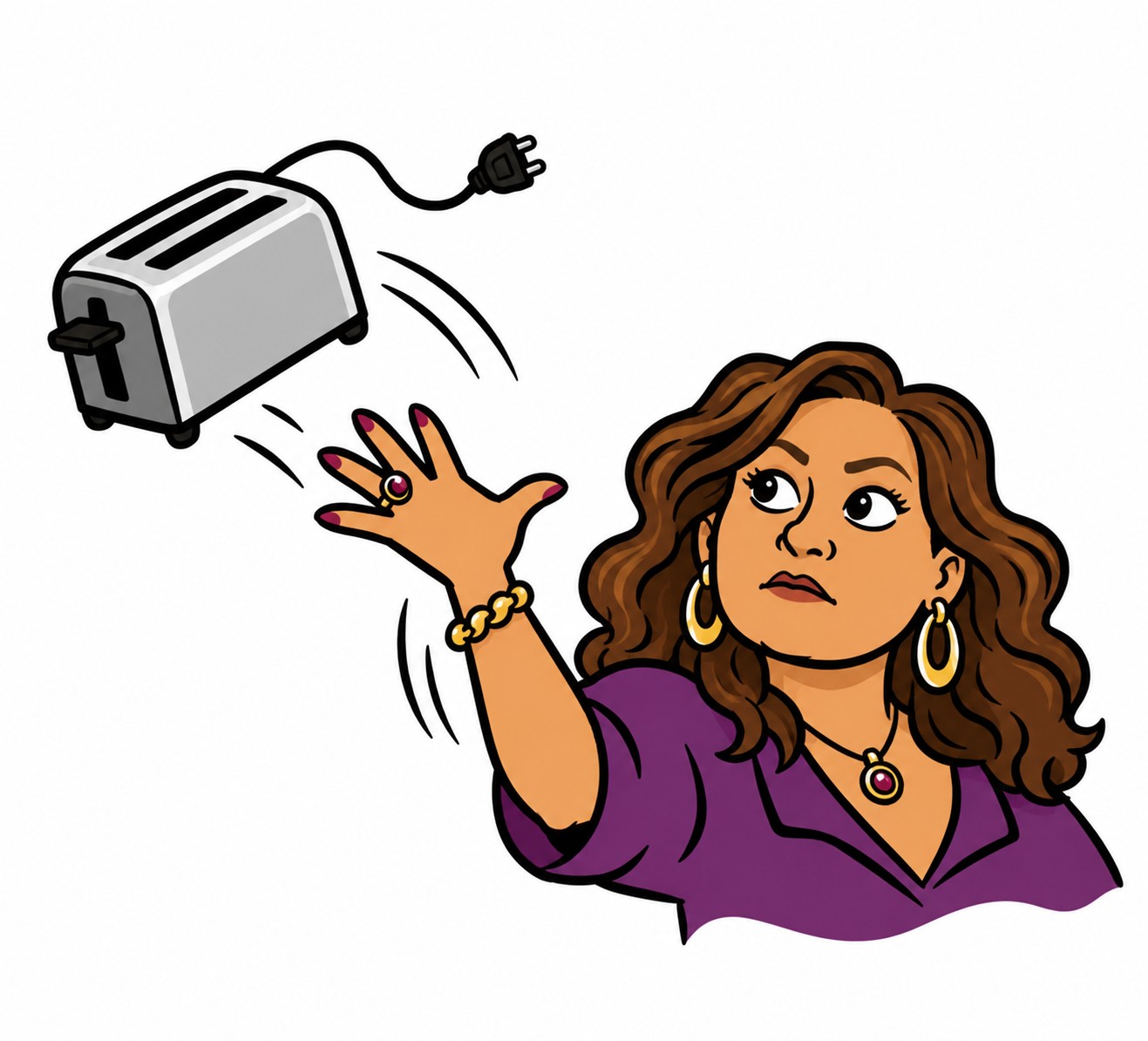
12-15 poäng "Lillsorteraren"
Well, at least you're trying. You usually avoid throwing toxic items in the trash, and you've actually taken newspapers to the recycling bin a few times. Make it a habit, and the trees in the forest will thank you!
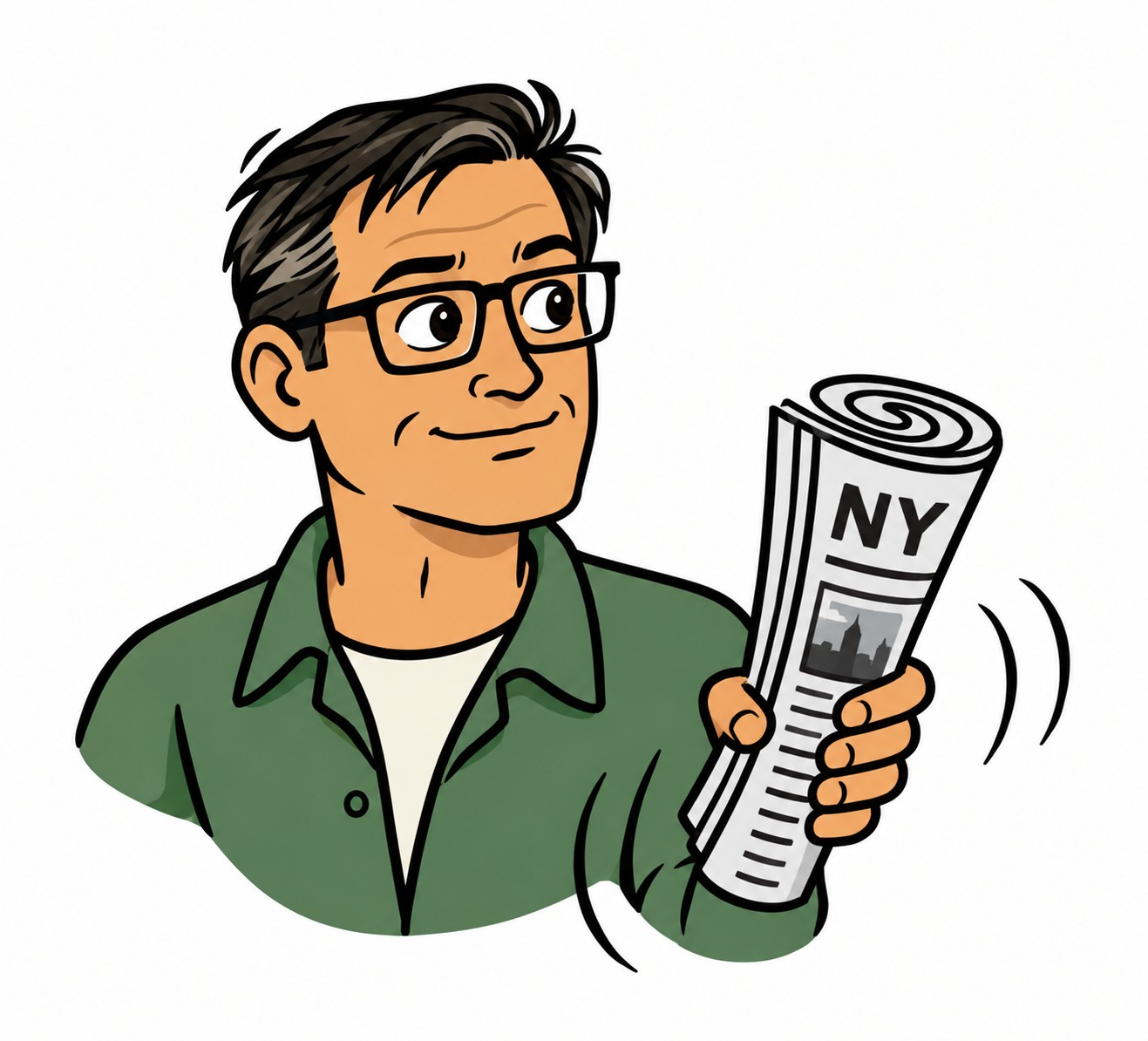
16-21 poäng "Samlaren"
Okay, you don’t throw anything away unnecessarily, which is great from an environmental perspective, but do you even have enough space in your home? You’re not supposed to be wading through 20-year-old newspapers... Sort your trash and recycle it, and your home will suddenly feel twice as big!
22-28 poäng "Sorterarmästaren"
That's great! You really care about nature! You sort metal and plastic separately, take newspapers to the paper recycling bin, and return PET bottles to the recycling machine. You sort metal and plastic faster than anyone can say "circular economy." It feels good to know that you're helping the environment!