CYCLES - THE CIRCLE OF LIFE
We must work together to create a thriving planet where we can live and thrive. That is why, in 2015, world leaders did something unique. They drew up a list of 17 goals for a better world. All countries will now work together to achieve the Global Goals by 2030. We want to achieve these goals so that, among other things, we can accomplish the following four amazing things:
- That extreme poverty be eliminated.
- Reduced inequality and injustice in the world.
- More work toward peace and justice for all.
- A solution to the climate crisis.
Have you heard of the cycle of life?
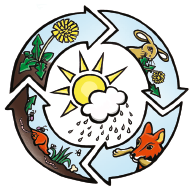
A cycle can, for example, begin in a meadow. A hare munchs on a dandelion in a meadow. Suddenly, a fox creeps up and eats the hare. When the fox dies, it decomposes and turns into soil. After a while, a new dandelion sprouts from the soil. Then one day, a hare hops along—and the whole cycle starts all over again.
The Engine of the Cycle
There are both large and small cycles in nature. The sun acts as the engine of these cycles and keeps everything turning, first by providing plants with nutrients through a process called photosynthesis.
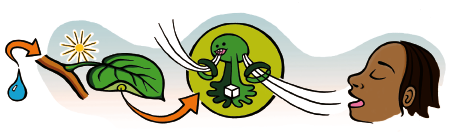
Photosynthesis is the process by which plants create their own food from sunlight, air, and water in the soil. The plants are eaten by small animals, which in turn become food for larger animals. As we know, humans eat both plants and animals.
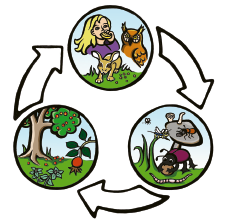
Worms, ants, millipedes, and woodlice are a few examples of animals known as decomposers. They take care of everything that dies in nature. They break down dead plants and animals so that they decompose and turn into new soil. The new soil, in turn, provides nutrients for new plants.
Humans have the greatest impact
Animals and plants live together and keep the cycle running as it should. Animals don’t make gadgets, and plants don’t throw away trash. It is we humans who affect the cycle.

Every time we make something, buy something, use it, and eventually throw it away, we affect nature. Sometimes so much so that certain animals and plants are at risk of disappearing entirely. So what happens if an animal or plant disappears and the cycle of life can’t complete a full cycle? Will anyone go without food? What happens in nature? These are the kinds of things we need to think about in order to live in harmony with nature.
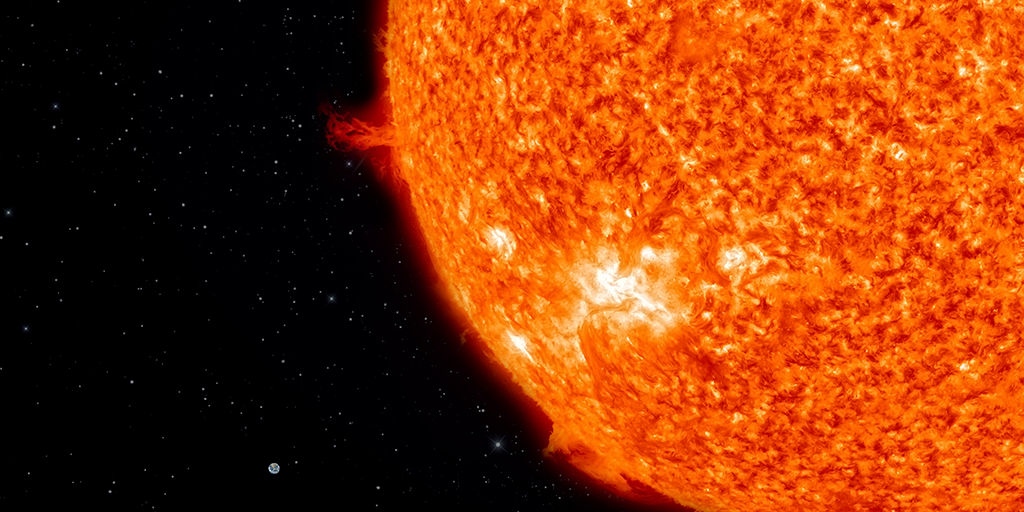
The sun is our driving force
If the cycle of life is a wheel, then the sun is the engine that makes the wheel turn. Everything on Earth exists thanks to the sun, which consists of a hot, bubbling gas. The sun, which existed long before our planet Earth came into being, provides us with heat and energy.
Everyone wins when we recycle
A good way to help the environment is to recycle what we use. When we’ve finished reading a newspaper, we should put it in the paper recycling bin. The old newspaper is turned into paper, which is then used to print new newspapers.
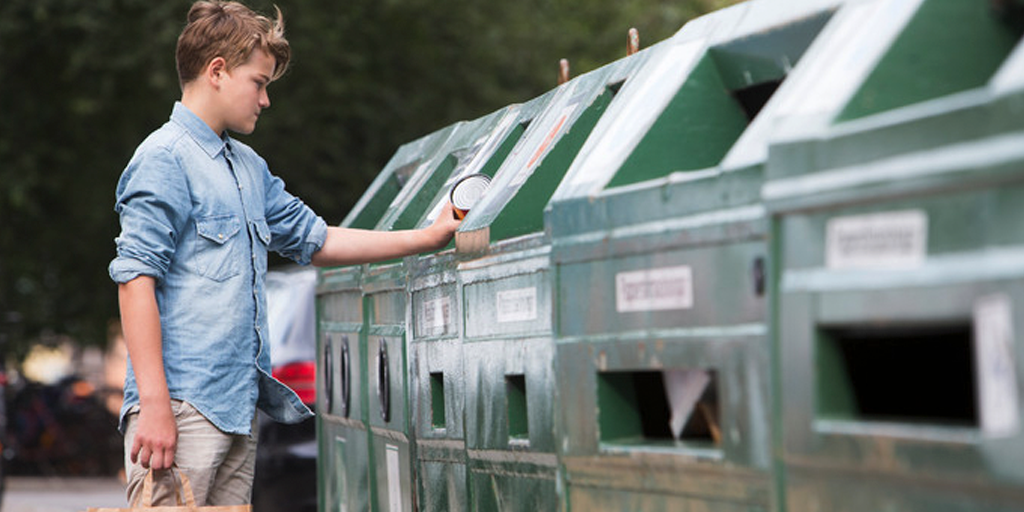
Help the environment by recycling
Batteries are convenient to use. We don't have to deal with cords and can take our gadgets with us everywhere. But did you know that batteries can also be dangerous? That's because batteries contain substances that are toxic.
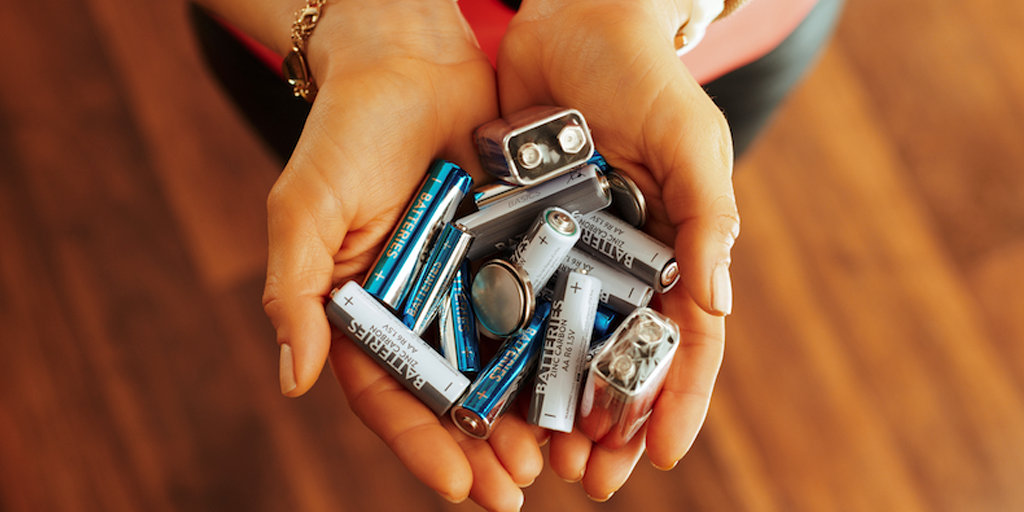
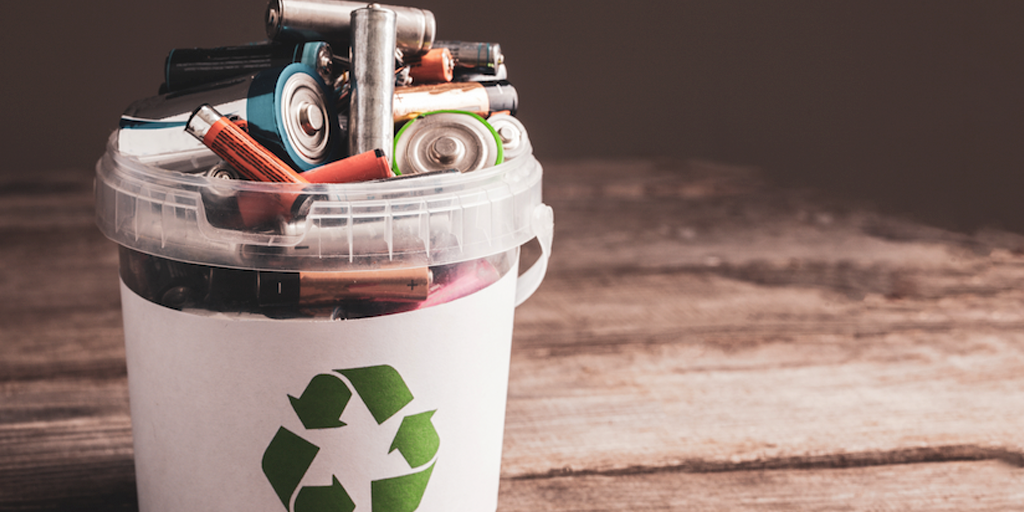
If we throw batteries in the trash, the toxins can spread and harm animals, nature, and us humans. Besides, it’s better to melt down the metals and make new products out of them. Instead, put old batteries in the red battery bin at the recycling center.
That way, you'll be doing two good things:
- You protect all of us from those dangerous toxins.
- You help conserve the Earth's resources—the metal from melted-down batteries is used in new products.
Did you know that...
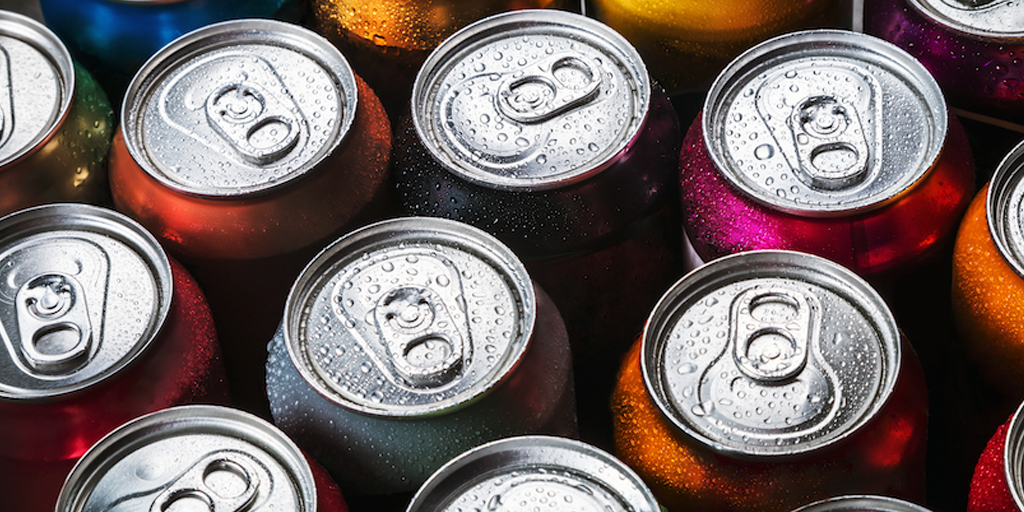
In 2019, we returned more than 2.15 billion cans and PET bottles for a refund in Sweden! On average, each person returned 208 cans and bottles.
Task
Reuse old stuff. Use your imagination and come up with new ways to use these items.
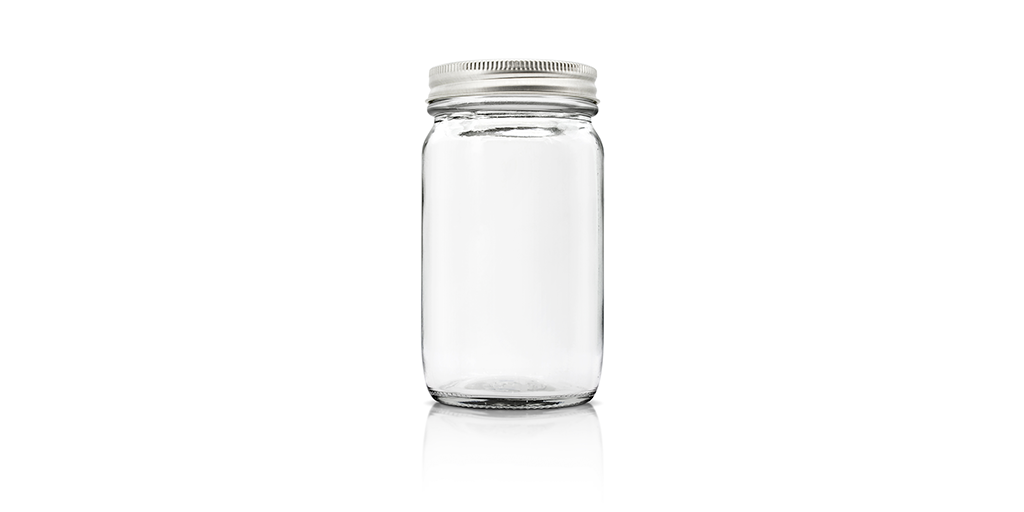
A glass jar—what can you make with it?
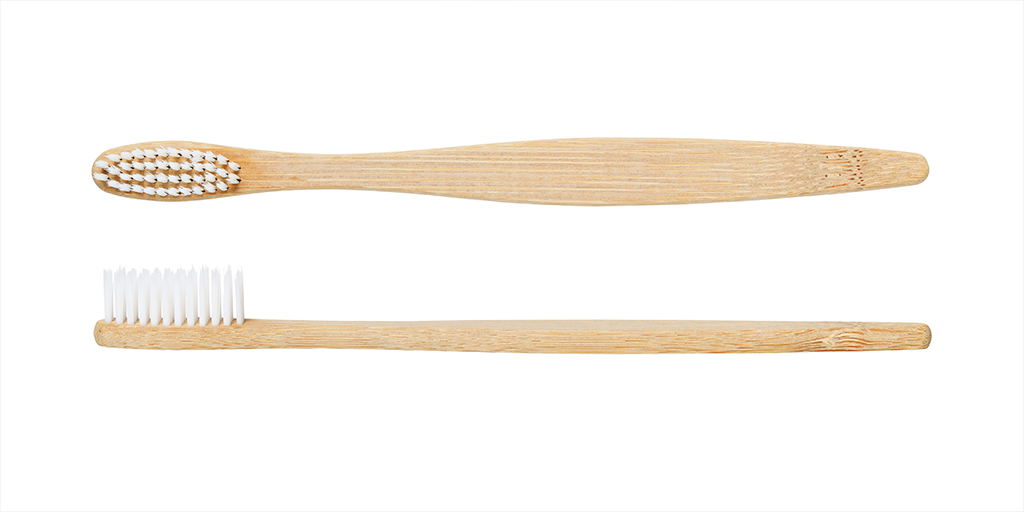
A toothbrush?
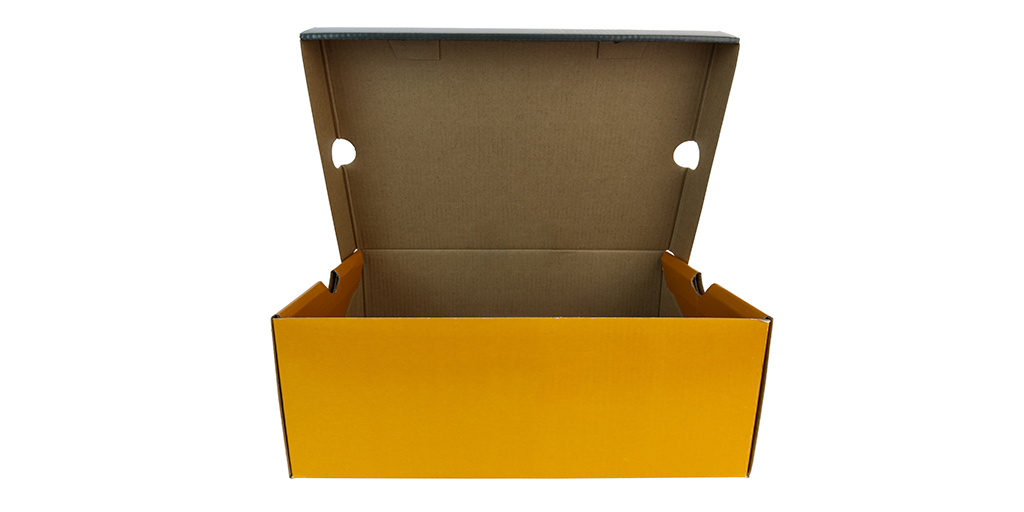
A school box—what could it be?
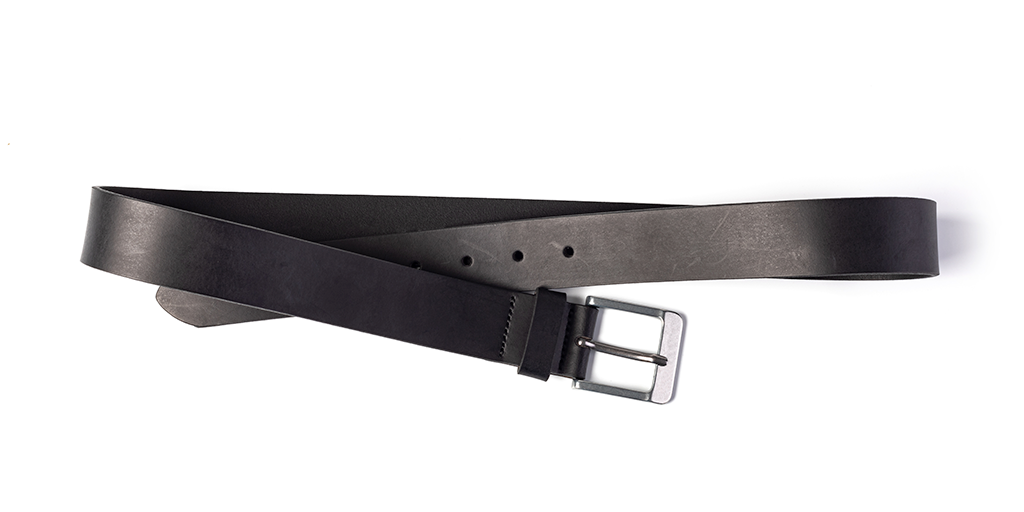
A belt—what can it hold together?
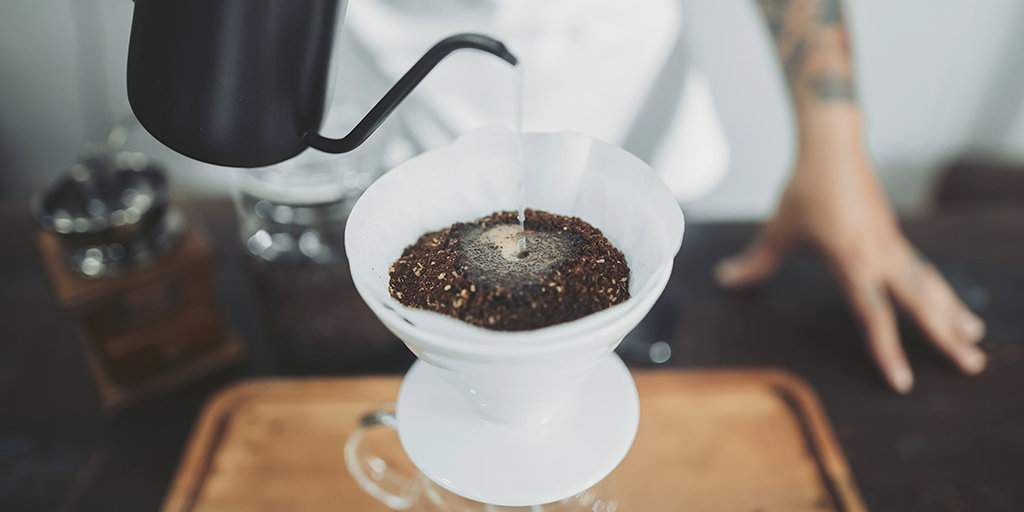
A coffee filter holder and filters—it's not just coffee that needs to be filtered.
The various components of nature's cycle
The Green
Nature’s cycle begins with plants—more specifically, with green plants that can “make their own food.” This refers to plants that derive their nourishment from the sun, the air, and water from the soil. There are plants that are not green, such as black algae in the ocean.
Animals
Plants serve as food for animals, which in turn serve as food for other animals. Humans eat both plants and animals.
Decomposers
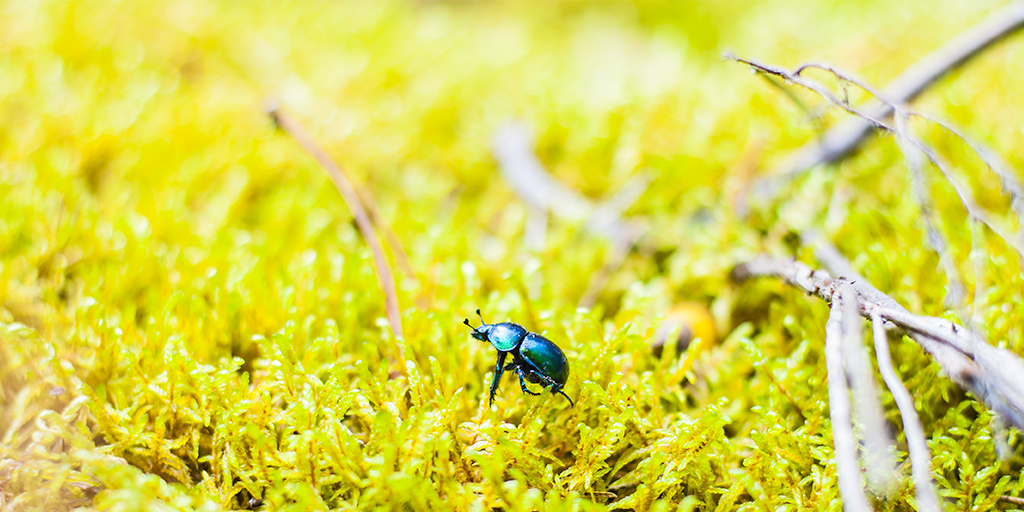
For the cycle to work, every part must function properly. Everything that dies must disappear somewhere; otherwise, the forests would be full of huge piles of dead animals and plants. The creatures that take care of everything that has died live in the soil and are called decomposers. They break down dead animals and plants into small pieces that become soil, which in turn nourishes the plants.
Task
Sort the words!

"The green"—write that here.
Animals—write here.
Decomposer—type here.
Did you know that...
Coffee grounds are what’s left over after brewing coffee. If you mix the grounds with potting soil, you’ll get a lighter, humus-rich soil that flowers thrive in. Eggshells contain calcium and minerals. Roses, beans, and carrots, for example, really benefit from this. Crush the eggshells into a fine powder and sprinkle it over your flower bed or vegetable garden.
Worms That Munch
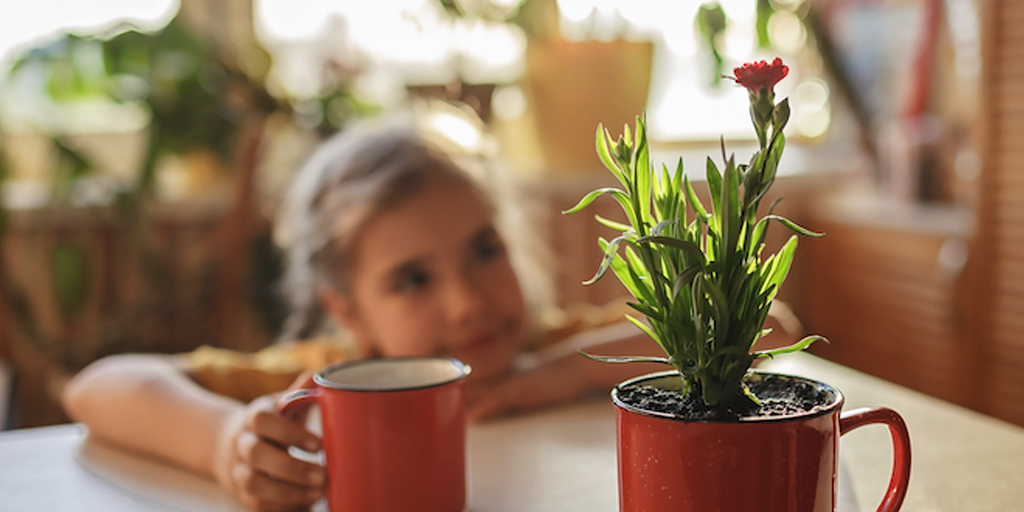
Earthworms turn our food scraps into new soil. They thrive in our compost bins, where they munch on old leaves and other things they find in the soil. Sometimes they drag leaves down into their secret tunnels deep in the soil. Maybe they just want to eat their dinner in peace?
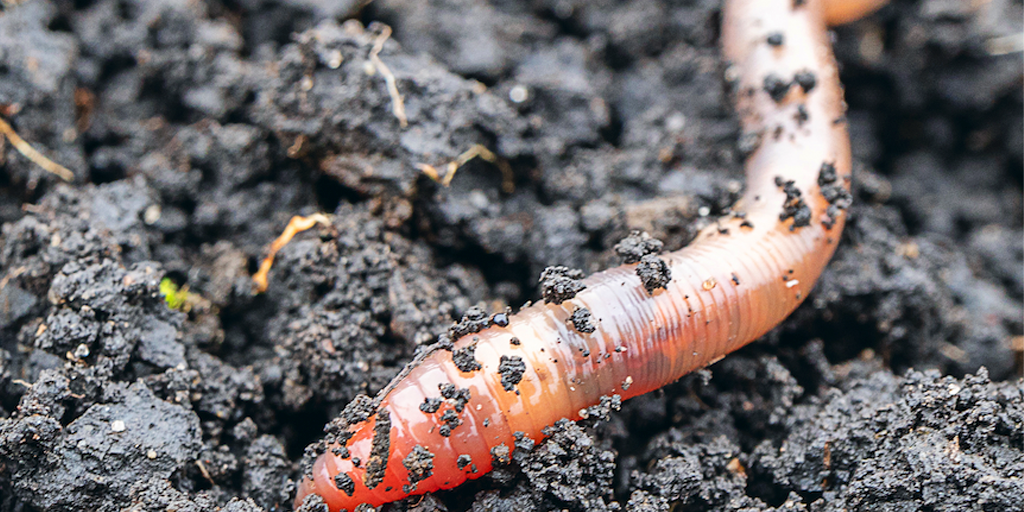
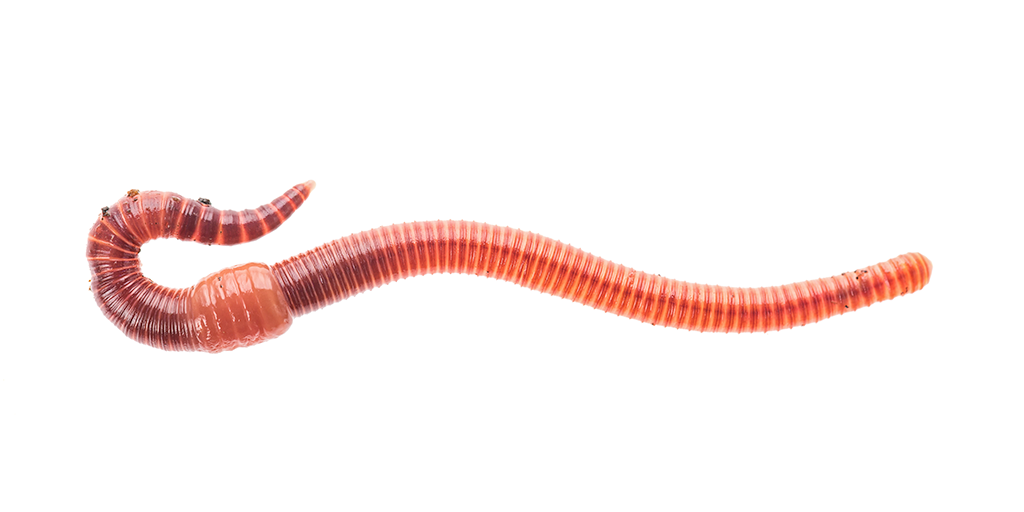
The earthworm has no mouth, just a hole at one end of its intestine that runs through its entire body. It breathes through its skin. If its skin dries out, it dies. The earthworm can neither see nor hear, but it can sense when something is moving on the ground. It’s also good at sniffing out food.
The earthworm has muscles that can contract its body, making it short and thick, or stretch it out, making it long and slender. This is how the worm wriggles free from a predator’s grip and burrows into the soil.
Dead animals become someone's home and food
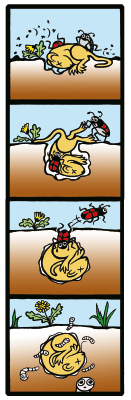
When a mouse dies, it is the smell that attracts flies and other insects. They lay their eggs in the dead mouse’s body. After a while, the burying beetles appear. These are black and red beetles that dig into the soil beneath the mouse so that the mouse’s body eventually sinks into the ground. After that, the beetles feed on the dead mouse. When they are full, the female chases the other beetles away. She is going to lay her eggs in the mouse’s body. When the eggs hatch, the larvae eat what’s left of the mouse.

1. What is a life cycle?
2. What does it mean when we say that green plants can make their own food?
3. What are decomposers?

Where do you dispose of old batteries?

What do you do with the newspaper after you've read it?
What do you do with your empty plastic bottle?
How do you dispose of cardboard boxes?
What do you do with tin cans and other metal?
Where do your empty glass bottles end up?
What do you do with old electrical gadgets, toasters, and things like that?
RESULTS BY SORT TYPE
7–11 POINTS
Oh dear, nothing gets sorted here! Everything ends up in the same bag—food scraps, tin cans, and glass bottles. Even batteries and PET bottles can end up in the trash bag! This needs to improve! Imagine that everything you don’t sort ends up in your drinking water—that should give you some inspiration!
12–15 POINTS

Well, at least you’re trying. You usually avoid throwing toxic items in the trash, and you’ve actually dropped off newspapers at the recycling bin a few times. Make it a habit, and the trees in the forest will thank you!
16–21 POINTS
Okay, you don't throw anything away unnecessarily, which is great from an environmental standpoint, but do you even have enough space in your home? You're not supposed to be wading through 20-year-old newspapers... Sort your trash and recycle it, and your home will suddenly feel twice as big!
22–28 POINTS
, THE RECYCLING CHAMPION Brilliant! You really care about nature! You sort metal and plastic separately, drop off newspapers for paper recycling, and return PET bottles to the recycling machine. You sort metal and plastic faster than anyone can say “circular economy.” It feels good to know that you’re helping the environment!