NATURE FOLLOWS ITS OWN LAWS
We used to think we could get rid of the dangerous smoke from factories by building tall chimneys. We thought that the air high up in the sky would dilute the smoke so that it was no longer dangerous. We also thought that whatever we burned would disappear into thin air. Now we know that’s not how it works. When we burn something, it spreads along with the smoke and ash.
When you eat a sandwich, it may seem as if it just disappears. The sandwich goes down into your stomach, is broken down into smaller pieces, and provides nourishment for your body. The rest of the sandwich comes out when you use the bathroom. When you flush, it goes to a wastewater treatment plant. There, the water is treated before it is released into a lake or the ocean.
Everything we do affects nature
Since nothing disappears, we have to live with the consequences of our actions. For those who own rainforest land, selling the trees in the rainforest may seem like a good deal. They get a lot of money for the timber. But what happens when the forest is gone?
Without the trees, the soil is no longer protected during heavy rains. The rain washes away all the loose soil and causes major damage to the ground—damage that costs a lot of money to repair. Not to mention what it costs to provide food for all the people who used to live in the rainforest. Instead of making money by selling trees, we end up paying more money to fix our mistakes. And some mistakes can’t be fixed.
The Right of Public Access
Everyone has the right to wander through Sweden’s natural landscapes. This right is known as the “allemansrätt.” However, it comes with a responsibility and rules for how to behave so that we do not damage nature. These rules have been passed down from one generation to the next for hundreds of years.
The right of public access is a unique right that does not exist in all countries. Today, it exists only in Sweden, Finland, and Norway. In other countries, people cannot camp wherever they want, because the land is privately owned. In those cases, it is either prohibited to be there, or you must pay a fee to stay there.
The "right of public access" is not a law; it is more like a mutual agreement between the landowner and the rest of us who want to visit the area. The landowner allows us to camp in their forest as long as we are careful with both nature and the animals.
Do Not Disturb—Do Not Destroy
The right of public access is an old tradition that dates back to the Middle Ages. Back then, there were no restaurants along the roads, so travelers had to eat whatever they found in the forest, such as nuts. Forest owners allowed everyone to gather a handful of nuts or berries to take along as a snack. You were not allowed to take any more than that.
ASSIGNMENT - Rap about the Right of Public Access

Follow the right of public access, come on, put a “
” bag on the stump and pick up the wood
Everything you've prepared for the party, grilled, and made—
—come on, pick it all up; it won't take long.
Pour water on the fire—come on, put it out!
Protect nature; be kind to animals.
Yes, you can camp here if you want
Follow the right of public access—come on, set up a...
Yes, you can camp here for a couple of days
but please take care of the beautiful nature we have.
Endangered Flowers
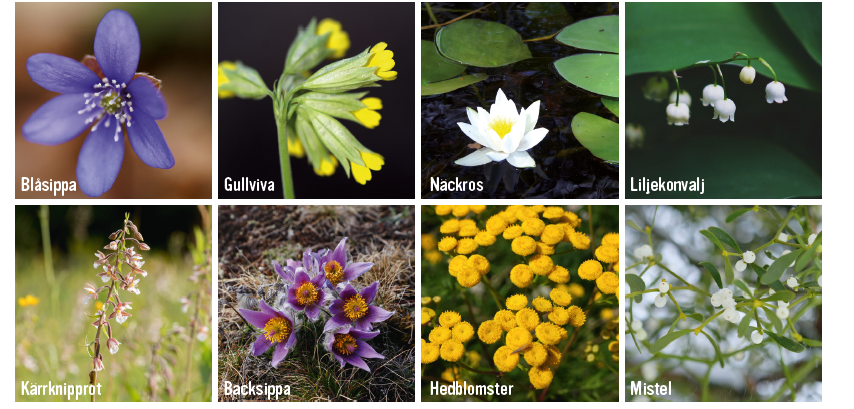
Some plants and flowers are protected. That means you're not allowed to pick them, because there are so few of them.
The rules vary
. Flowers may be protected in one place but not in another. You’re allowed to pick some flowers, but not pull them up by the roots. It’s best to ask an adult before picking a flower.
You can read more about protected flowers onthe Swedish Environmental Protection Agency’s website
National Parks
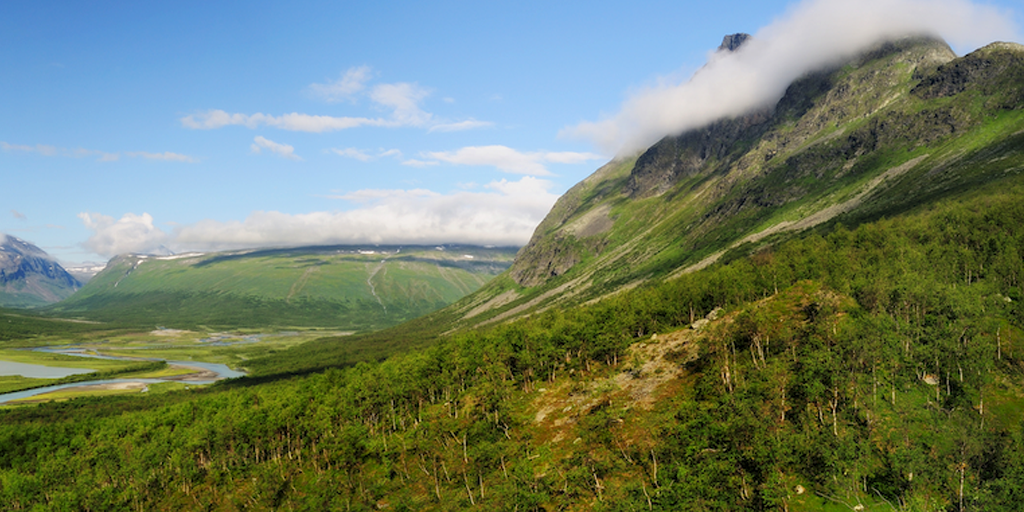
A national park is an area of nature that we want to protect for future generations—our children and grandchildren. It is a protected area where you are not allowed to build houses or do anything that damages the land.
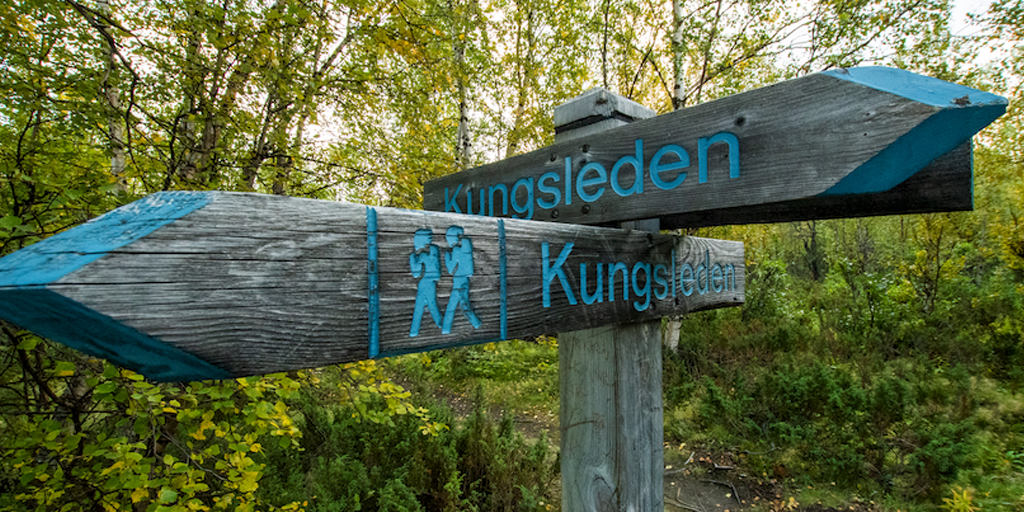
One of the purposes of national parks is to give us the opportunity to visit forests and open countryside. That’s why many national parks and hiking trails have visitor centers where you can ask about the area. In some places, you can even rent a room and stay overnight. Sweden has 31 national parks. A national park can be a mountain region, an archipelago, a primeval forest, land that was once cultivated, or a marsh. The land belongs to the state—that is, to the Swedish people.
The Nämdö Archipelago – a new national park!
The Nämdö Archipelago is Sweden’s 31st national park and the first one primarily focused on the Baltic Sea. Work began in 2020, and the park opened in September 2025.
It’s located in Värmdö, near Stockholm, and is huge—about 25,300 hectares! Almost all of it—97%—is water. The national park exists to protect the sea and the archipelago so that nature can remain almost exactly as it is today.
Find your nearest national park on the Swedish Environmental Protection Agency’s website
Nature Reserve
There are nearly 5,000 nature reserves in Sweden. Most of them are so close to us that we can walk there. There are special rules for nature reserves. They often contain plants and animals that we want to protect.
You can reduce the mountain of trash!
If we sort our trash, we can turn much of it into new products. Old newspapers are turned into new paper. Glass bottles and jars are melted down to make new glass products. Every time you put glass, metal, and plastic in the correct bins at your recycling center, you’re actively helping to reduce the mountain of trash.
Your purchases make a difference!
Today, there’s a wide variety of organic and eco-labeled products to choose from. Maybe you could suggest to your family that you buy more eco-friendly products next time? If many people make a small change in their daily lives, the impact will be significant.