THE AIR WE BREATHE
Air is essential to life. Without air, we cannot survive. We don’t often think about air, because it is invisible and always there. It is only when we suddenly have trouble breathing—for example, underwater—that we realize how important air is. Air envelops the Earth like a blanket.
The air “up there” is called the atmosphere and extends 1,000 kilometers into the sky. The higher up you go, the thinner the air becomes.
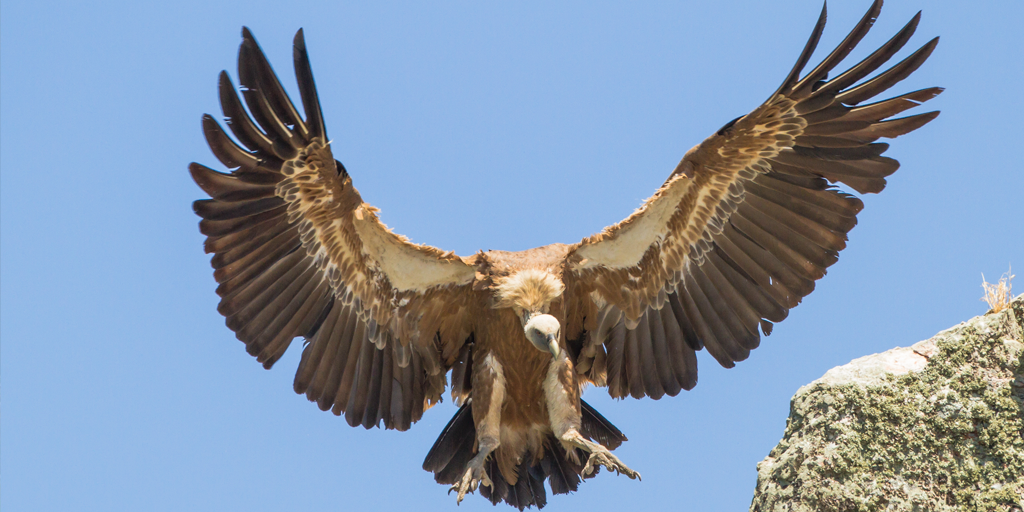
We cannot breathe the air high up in the sky, higher than ten kilometers. Up there, the air contains too little oxygen.
High-flying bird
Air consists of gases
The air consists of several invisible gases. One of these gases is oxygen, which we humans breathe. The air also contains carbon dioxide and nitrogen—the substances that plants use for food.
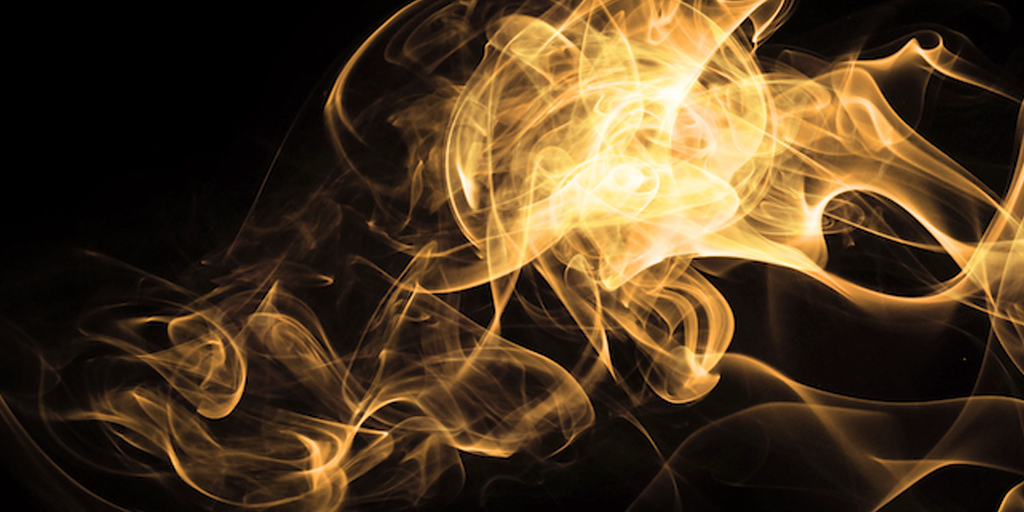
Even though air is invisible, it actually weighs something. The weight of the air presses down on the Earth just as your blanket presses down on your body. That pressure is called atmospheric pressure. Atmospheric pressure is sometimes high and sometimes low. You may have heard this mentioned when they report the weather on TV.
Task
Hold your breath!
To show how important air is to us, let's do a test. Try to hold your breath for 20 seconds:
1. Take a deep breath; breathe in as much air as you can.
2. Holdyour breath.
3. If your watch doesn't have a second hand, count silently in your head: one thousand and one, one thousand and two, one thousand and three, and so on, until you reach one thousand and twenty!

Task
Blow your name. Can you blow out letters? Try it on your own arm first.
Blow the letters of your name.

Was your classmate able to guess which word you blew?
How does the air you breathe out feel?
If you breathe on a window, what happens?
The sun creates winds
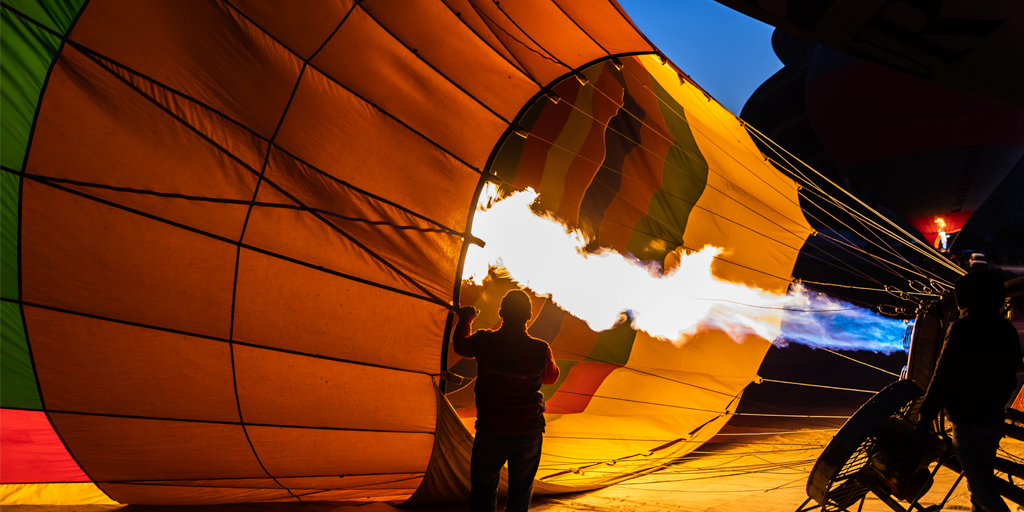
Air can be both warm and cold. Warm summer air feels pleasant against the skin. Warm air is also denser than cold air and takes up more space. Cold air, on the other hand, makes us shiver; it can feel as if it’s nipping at our cheeks. If you cool air down, it eventually becomes liquid, like water, or solid, like ice. When the sun warms the air, it rises.
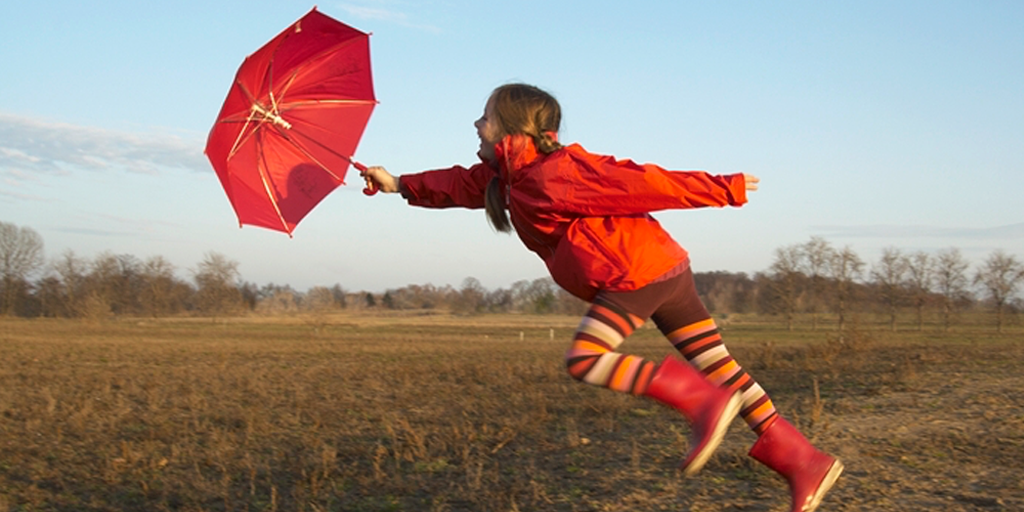
High up in the sky, the air cools down and then sinks back toward the ground. Down on the ground, the air is warmed by the sun again and rises. That is how winds are formed.
They ride the air
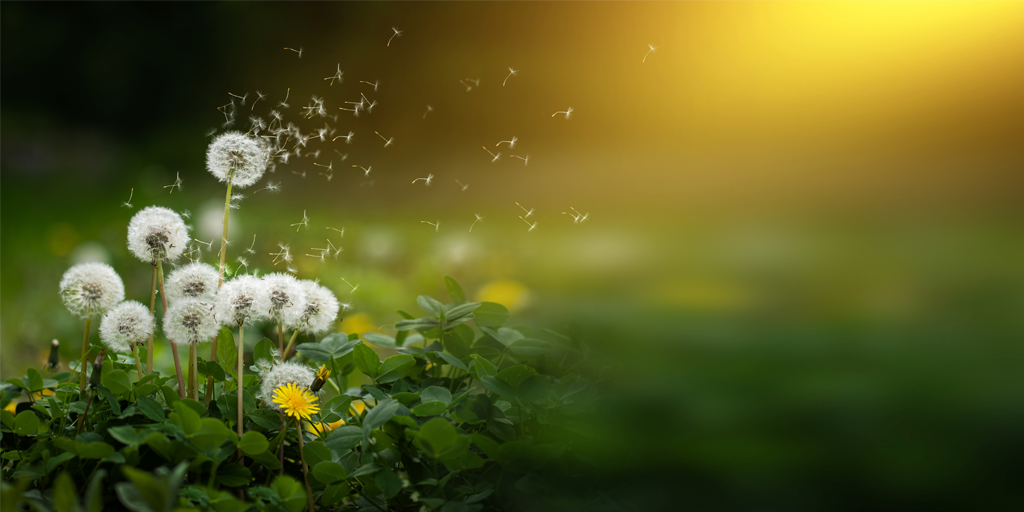
Seeds and insects that don’t weigh much can ride air currents all around the world. Seeds can fly across oceans to small islands far away. Pollen grains from flowers and trees have a rough surface, which allows the wind to catch them and carry them around. Anyone who is allergic to pollen knows this all too well.
Small spiders can also fly through the air. The wind catches a thread that the spider has spun from its body. Some birds and insects spend almost their entire lives in the air. That is where they catch their food, mate, fight, and sleep.
The Atmosphere
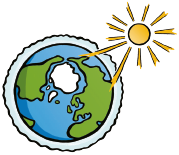
The atmosphere acts as an invisible shield around the Earth. Without it, no one could live here. The atmosphere keeps the air close to us so we can breathe, while also allowing the sun’s heat to reach us. The atmosphere also regulates the Earth’s temperature. If it’s too hot, it releases some heat. If it’s too cold, it lets in more heat.
The Ozone Layer
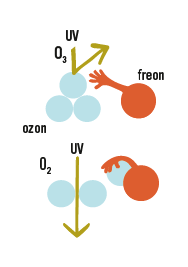
The layer in the atmosphere that protects us from the sun’s harmful rays is called the ozone layer. The sun is essential for life. It is the sun’s heat that allows us to live here. But some of the sun’s rays are too strong for us. They are called UV rays.
The ozone layer protects us by letting heat through but reflecting UV rays back into space. We humans have released too much freon, which has risen into the atmosphere. Freon affects the ozone layer, allowing dangerous UV rays to damage our planet. Ask your teacher to explain how freon affects the ozone layer.
The Greenhouse Effect
Our vehicles and factories emit exhaust gases that contain carbon dioxide, among other things. Plants act as heroes and convert carbon dioxide into oxygen that we can breathe. However, they cannot convert an unlimited amount of carbon dioxide.
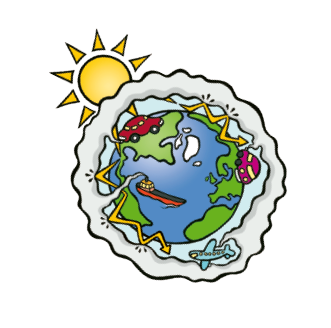
When there are too many cars and factories emitting carbon dioxide, plants cannot keep up with converting all of it. Eventually, there is so much carbon dioxide in the air that it forms an invisible ceiling over the Earth.
The carbon dioxide blanket prevents the atmosphere from releasing enough heat into space. That is why it is getting warmer, and this is what is known as the greenhouse effect.
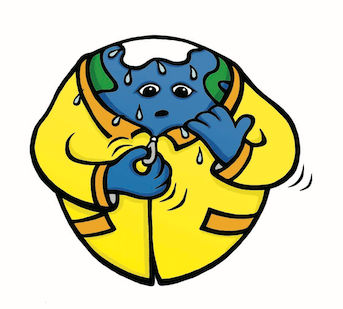
It works kind of like when you're out walking in the rain. You're wearing a rain jacket, so you're happy because you won't get wet. Suddenly, it stops raining and the sun comes out. Eventually, it gets too hot and you want to take off your rain jacket. But now you can't get the zipper open!
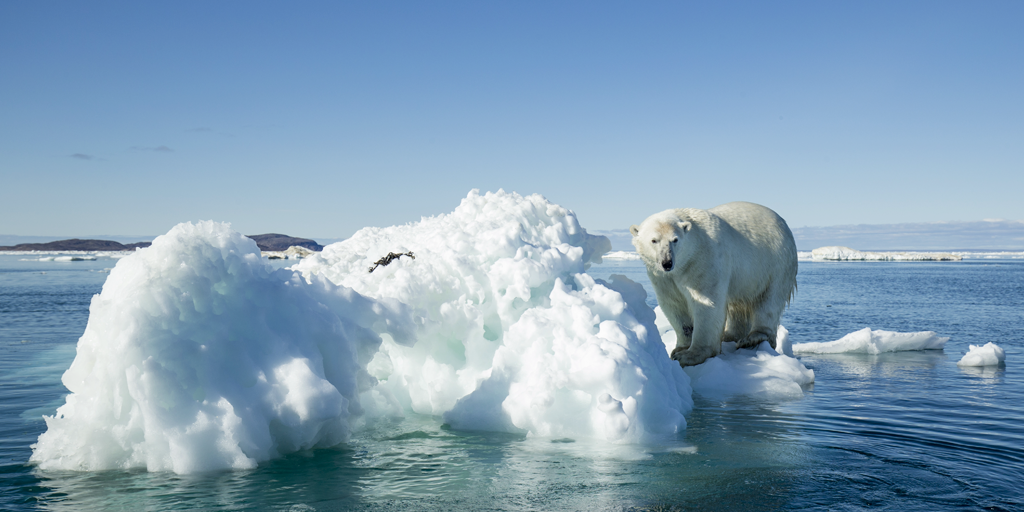
The sun is shining, and you start to sweat under your thick rain jacket. That’s exactly how it feels for the Earth when the “carbon dioxide blanket” traps the heat. The Earth becomes like a greenhouse. If it gets too hot on Earth, the ice melts. When the ice melts, sea levels rise. And when sea levels rise, there’s flooding on land.
In countries where it is already dry and hot, warmer weather could mean that people will no longer be able to live there. It will simply become too difficult for them to grow food and find water to drink.
Sour as a lemon
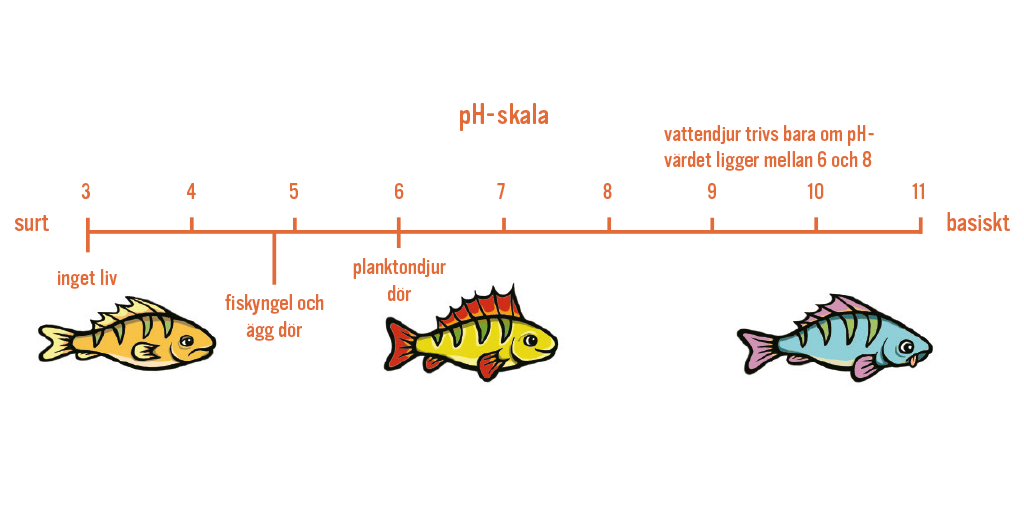
When we burn oil and gas, a substance called sulfur is produced. Sulfur makes the rain acidic. Have you ever tasted a lemon?
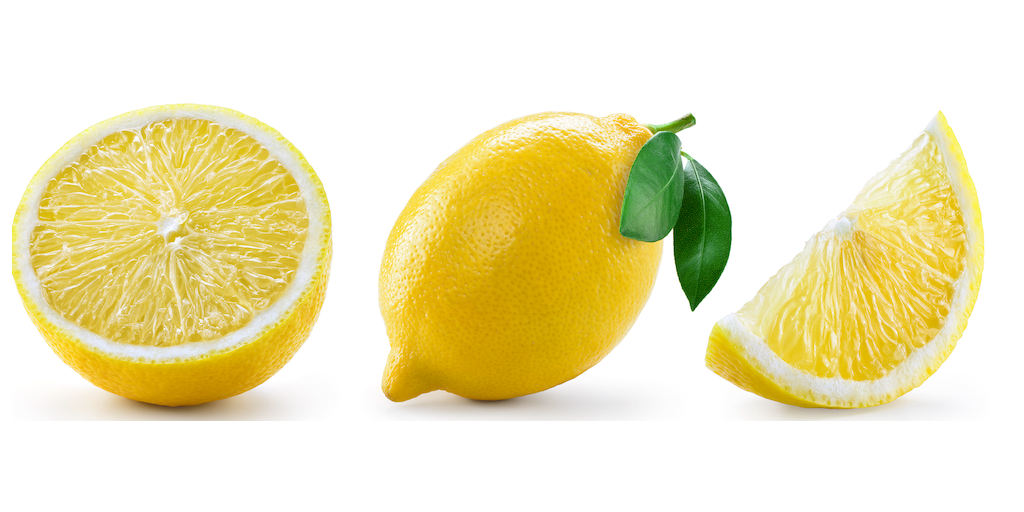
A little lemon in your food tastes good, but if you had to eat 10 lemons, you wouldn't feel well. Sulfuric rain makes the soil and lakes acidic. Both plants and animals suffer as a result.
The wind blows wherever it pleases
The air has no borders like countries do. The air can travel wherever it wants, from one country to another. It spreads not only pollen, seeds, and small insects, but also exhaust fumes from industries and cars. That is why all countries must be kind to the environment, because we all breathe the same air.

- 1. Instead of asking your parents to drive you, maybe you could ride your bike, take the bus, or take the train.
- 2. Find out if you can carpool to school or various after-school activities with someone else, instead of everyone driving in their own car.
- 3. Remind your parents—if they have a car—to stick to the speed limits. That way, the car will emit fewer exhaust fumes.
- 4. When you go grocery shopping with your parents, ask them to choose an organic food item—preferably one that’s locally grown.
5. Turn off the lights in rooms where no one is present.