GREEN – THE COLOR OF LIFE
Do you have windows in your classroom? If so, take a quick look out the window. Chances are you’ll see something green—a tree, a lawn, some bushes, or maybe a potted plant on the windowsill?
Plants are found everywhere on Earth, even in the oceans. The smallest plant in the ocean is called plankton, and many fish eat it.

In the desert, where it almost never rains, plants have learned to be patient, since they have to wait a long time for those vital raindrops. When it finally rains, even the cacti bloom. There are plants even where there’s barely any soil. High up in the mountains, mosses and lichens grow that can withstand the cold and windy climate.

Photosynthesis
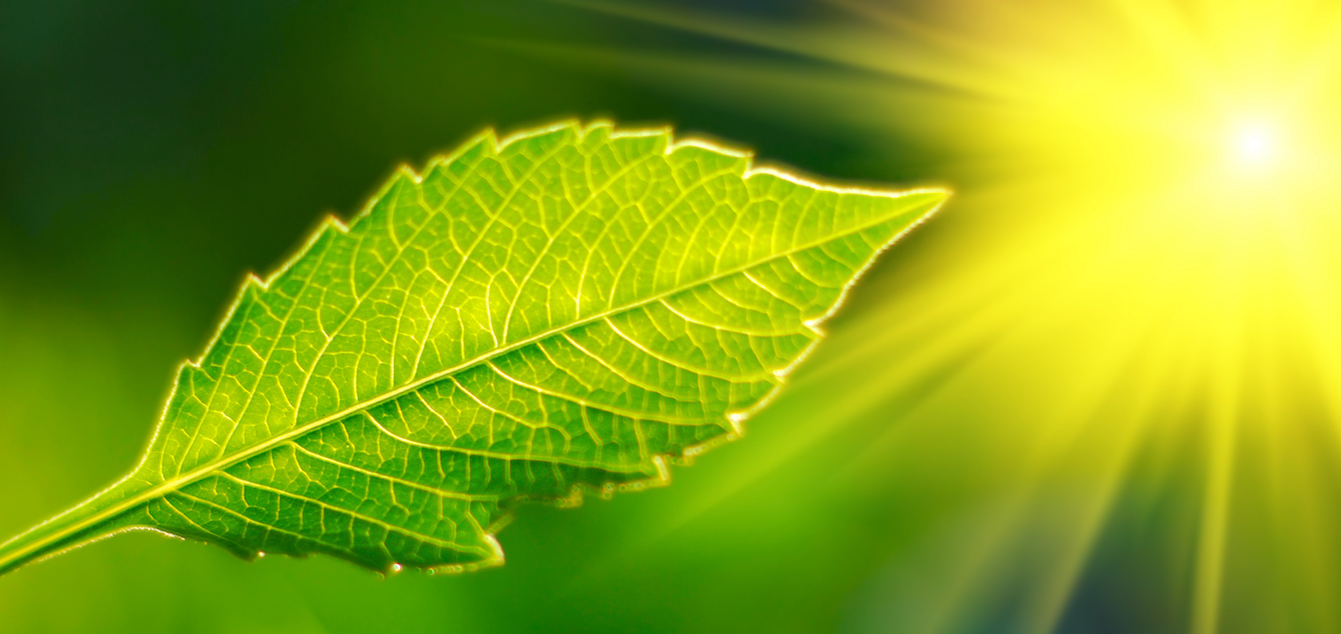
Plants need food, just like we do. In addition to water and sunlight, they also need air. From these three ingredients, they create a kind of sugar-based food. But why do plants need air?
There are small holes in the leaves of plants called stomata. Plants take in air through these holes. They absorb a substance from the air called carbon dioxide, which is needed to produce sugar.
Here's how it works:
Inside the leaves are tiny green particles. They are called chlorophyll. They are what produce the sugar. When the sugar is ready, air and water are released through the stomata. This entire process is called photosynthesis. Now comes the truly amazing part of nature: First, the plant absorbs carbon dioxide from the air and releases oxygen.
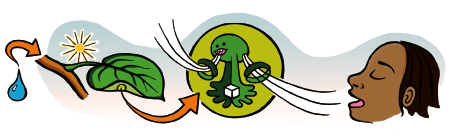
Oxygen is exactly what people and animals need to breathe. So when a plant gets nutrients, we get oxygen to breathe. And then the whole cycle starts over again. When we inhale, our lungs take in oxygen from the air. And when we exhale, we release carbon dioxide—exactly what plants need!
Record-High Sugar Levels
In one year, all the green plants on Earth produce 200 billion metric tons of sugar. How much is that, really? Imagine if we took all the food and drinks from every store in the entire world and put them out on the street. Can you picture that—every store in the entire world?
Now imagine that we did the same thing every day for an entire year—that is, 365 times. That would make for a huge pile of goods. But if we were to gather all the sugar that plants produce over the same period of time—an entire year—into a pile just as big, that pile would actually be a hundred times larger!
Task
How is the quantity specified?
Do you say "one kilogram of sugar" or "one liter of sugar"? Do you say "one kilogram of butter" or "one liter of butter"?
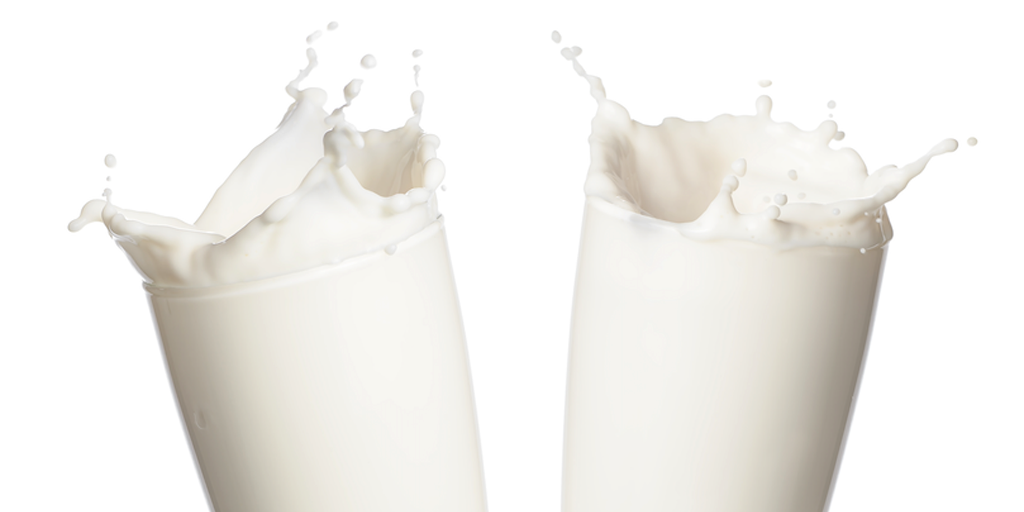
Divide the items listed below intokilogramsorliters. The items to be divided are: milk, wheat flour, cheese, yogurt, oatmeal, sugar, butter, blueberry soup, salt, soda, and water.
The World's Most Important Plants
Why are plants the most important thing in the world? Because we need them to breathe. That might seem strange, especially if there isn’t a single flower in the classroom you’re sitting in right now—after all, you’re breathing all the time.
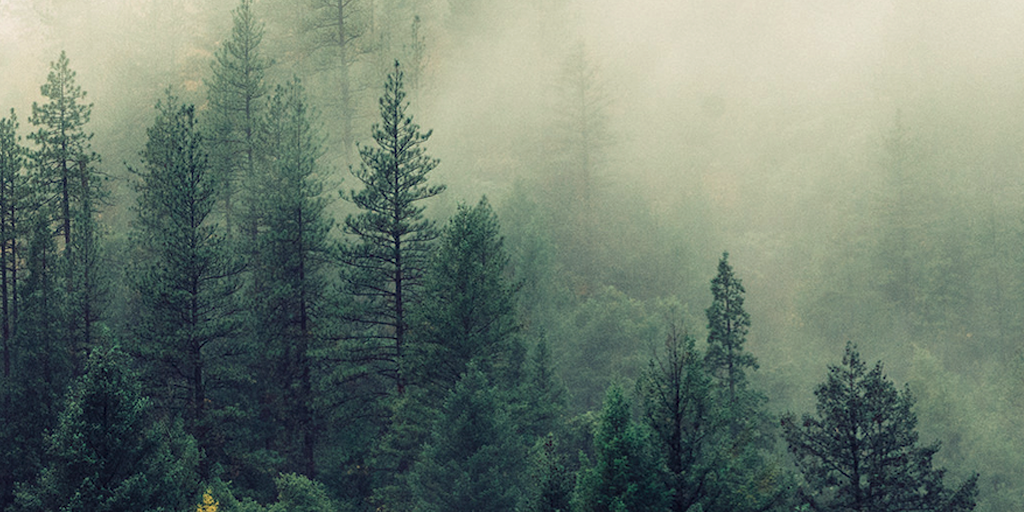
You don’t need to have a plant right next to you to breathe, but there must be plenty of plants on Earth. A large portion of the oxygen we breathe comes from the oceans and the rainforests. Forests are called the lungs of the Earth precisely because they ensure that we have plenty of oxygen to breathe.
Plants—Important Friends
Wherever you are, you are surrounded by air. Since it is invisible, you cannot see that the air contains carbon dioxide. Breathing it in is not good for us. But flowers and trees convert the carbon dioxide in the air into oxygen through a process called photosynthesis.
The air you breathe actually contains more than just oxygen. Dry air consists of about 78 percent nitrogen, 21 percent oxygen, and 1 percent argon. All air also contains a tiny bit of water vapor. The warmer the climate, the more water vapor there is. That’s why the air in tropical countries feels humid.
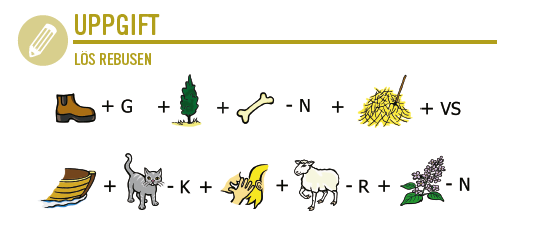
Solve the puzzle!
Assignments
Inspection at the grocery store.


We eat grass
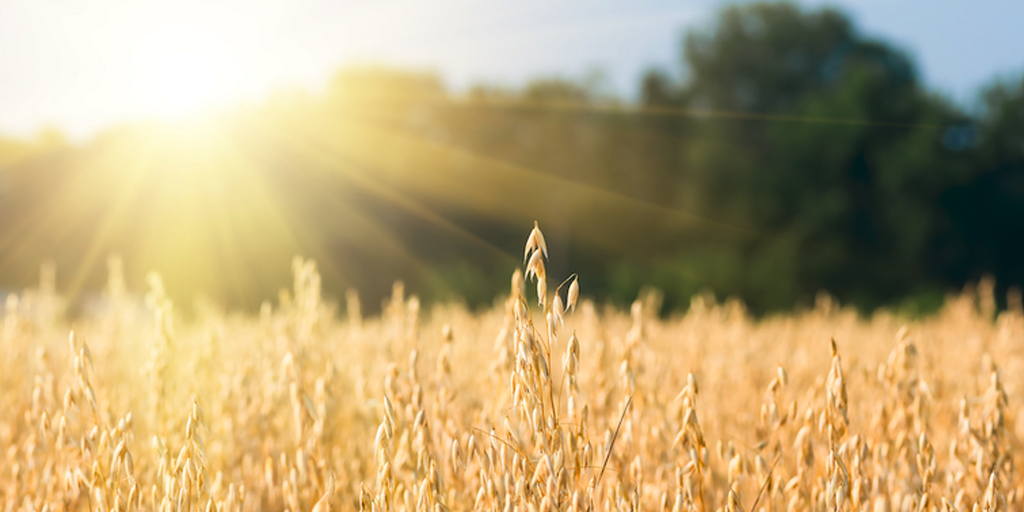
Did you know that you consume large amounts of grass seeds every day? Grass is more than just green lawns. Grass is a large family of plants that includes wheat, oats, rye, and barley, among others. Many people eat bread made from wheat, which is also a type of grass.
Popcorn is also a type of grass, since it comes from corn, which in turn is related to grass. Some foods we eat that look like grass include, for example, sprouts and leafy greens such as arugula.

Task
Do you eat grass seeds?
Write down the foods you eat that are made from corn, rice, wheat, rye, and oats—all of which belong to the grass family!
Write down the foods and drinks you consume that are made from corn, rice, wheat, rye, and oats—all of which belong to the grass family!
Food Chains
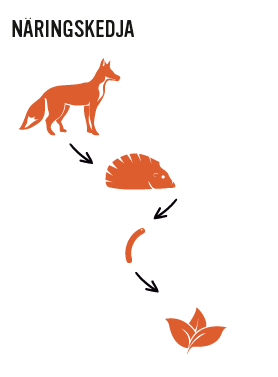
Näringskedjor visar vem som äter vad. När du tuggar på en morot består näringskedjan av dig och moroten. När en larv äter på ett blad är de båda med i en näringskedja. Om en igelkott sedan äter den larven, så är igelkotten med i samma kedja.
Did you know that...
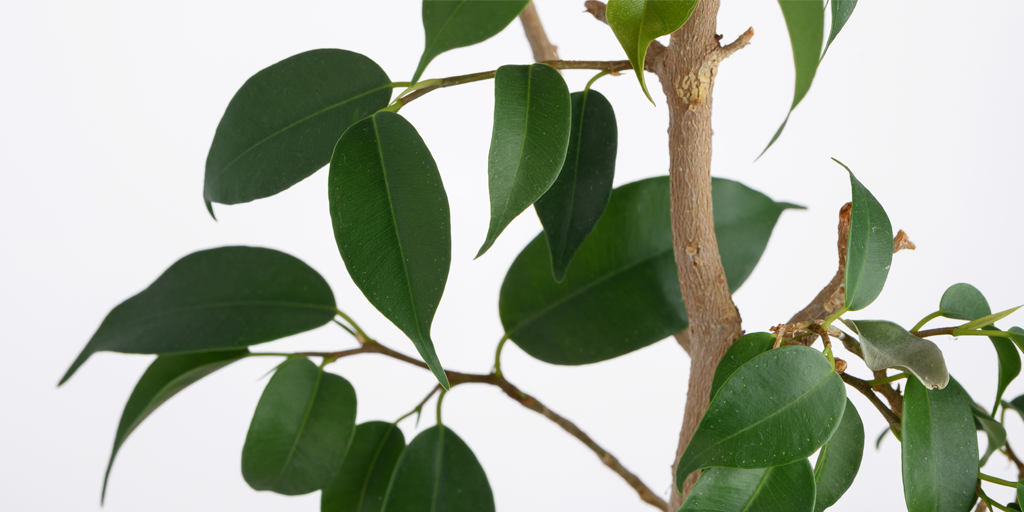
Did you know that there are flowers that purify the air by “absorbing” toxic substances from the indoor air? In addition to removing carbon dioxide and other substances from the air, they release moisture, which makes the air feel less dry.
Task
Build Your Own Food Chains
Do you know which animals eat plants, other animals, or get eaten themselves?
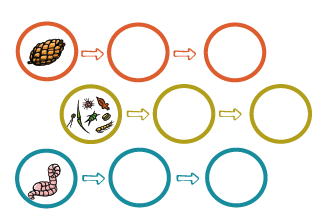
Write down the answer.

Living Air Purifiers for the Classroom
A comfortable indoor environment is especially important in a classroom, since students spend several hours there every day. In addition to purifying the air, flowers bring both humidity and joy.
Organize a fundraiser
If everyone in the class contributes 5 kronor, you can buy a houseplant. Good choices include ivy, weeping fig, spider plant, mountain palm, and peace lily.
Ask for a cutting
Taking acutting from a houseplant means cutting off a piece of a stem. You then plant it in a new pot. It will grow into a new, large plant. Sometimes the cutting may need to sit in a glass of water first so that it can develop roots.
So, flower seeds
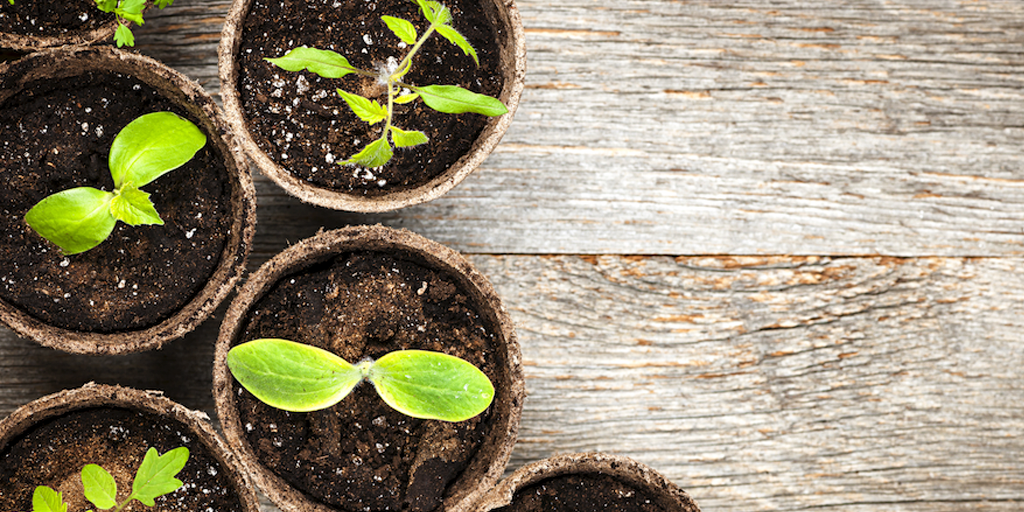
You can quickly raise the money for a bag offlower seeds. Plant the seeds one centimeter deep in the soil, and don’t plant them too close together. Place the pot on the windowsill or somewhere bright. Water the soil twice a week and keep an eye out—the flower could sprout at any moment!