ANIMALS OF THE WORLD
In nature, many different animals live together, side by side, in a vast network.
These range from insects, birds, fish, and lizards to various types of mammals. Mammals are vertebrates that are nursed by their mothers, such as hares, moose, roe deer, and bears.
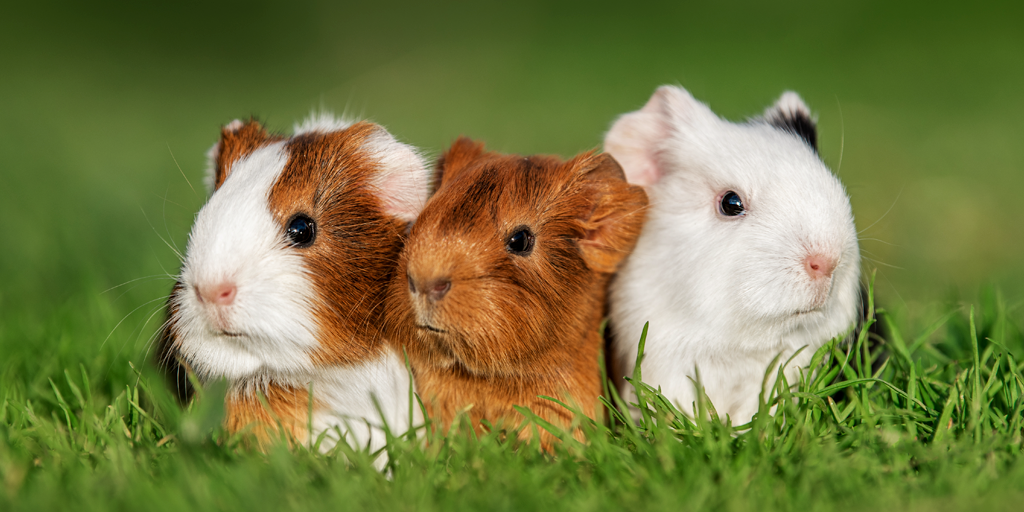
The first animal you got to know was probably a pet. The most common pets are still dogs, cats, birds, aquarium fish, and rodents. The rodent group includes everything from rabbits and guinea pigs to rats, mice, hamsters, and chinchillas.
As people began to travel farther and farther, exotic pets became more and more common. Maybe you know someone who has spiders, turtles, stick insects, lizards, snakes, or maybe a miniature pig?
The fact is that humans have kept pets for tens of thousands of years. It’s easy to understand why, when you think about how much we enjoy being around animals. Even scientists have found that people who have pets feel both happier and less lonely.
Task
Our most common pets.
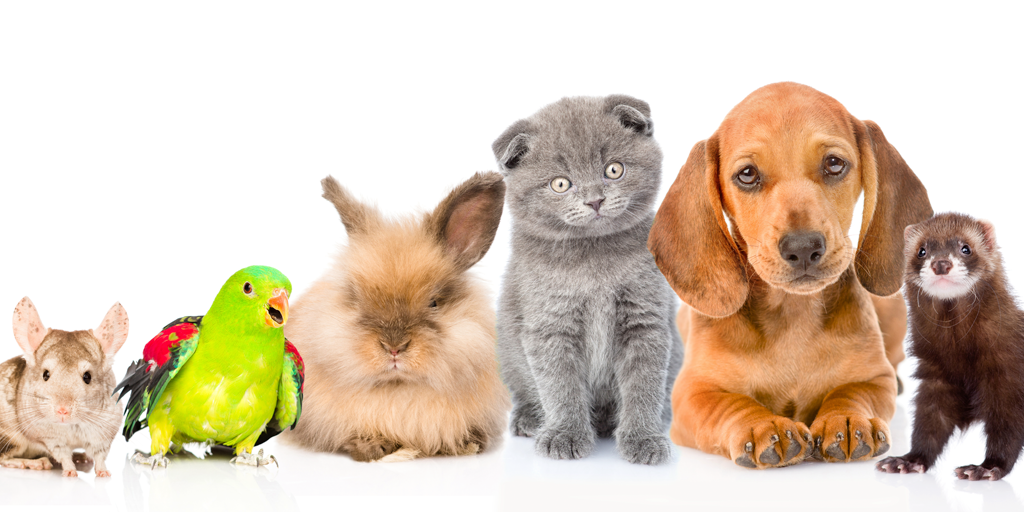
Which pet do you think is the most common in Sweden?
Almost all dogs—one of our most common pets—are descended from another wild animal. Can you guess which one?
Task
Match the correct expressions.
Sometimes, when we describe someone, we compare that person to an animal. For example, we might say that someone is “agile as a cat” or “dirty as a pig.”
Fox - Owl - Ox - Ant - Roach - Hare - Donkey - Snail - Bee - Bear - Bird - Goose
Big - Stupid - Clever - Free - Lively - Angry - Diligent - Slow - Stubborn - Wise - Afraid - Strong
Matchthe expressions correctly—what do people say about these animals?
All the Animals in the World
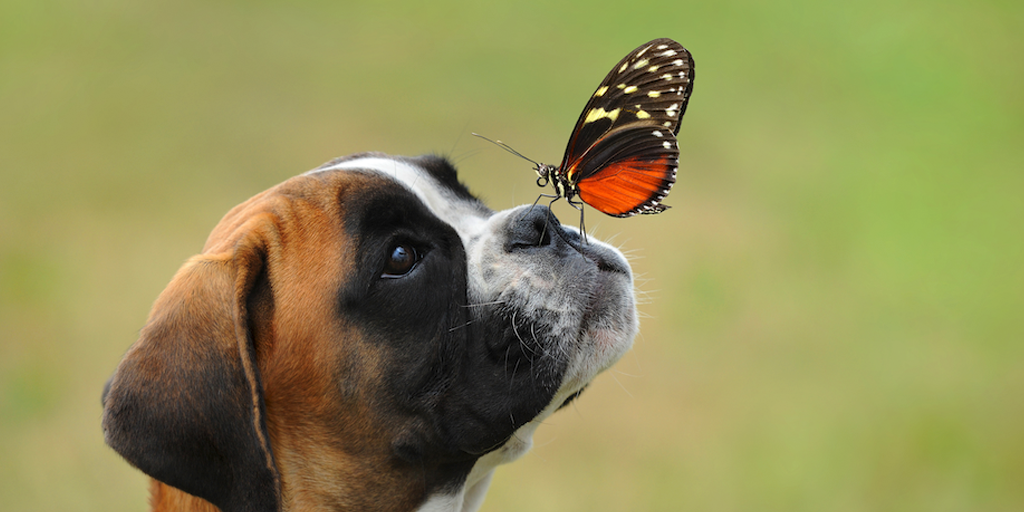
You’re probably familiar with most of the animals we keep as pets. But do you know how many different animal species there are in total around the world? If we don’t count insects—which are a separate group of animals—there are over 200,000 different animal species. There are more insects than any other animal in the world. Insects include, for example, flies, butterflies, beetles, small lice, and mosquitoes.
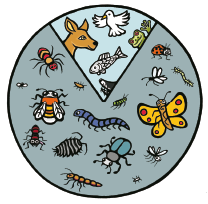
Can you guess how many species of insects there are? In other words, how many different kinds of insects are there in total on Earth?
In other words, most of the animals on Earth are insects. You wouldn’t notice it when you look around, but that’s because many insects are so small that we can’t even see them without a magnifying glass.
Animal Species
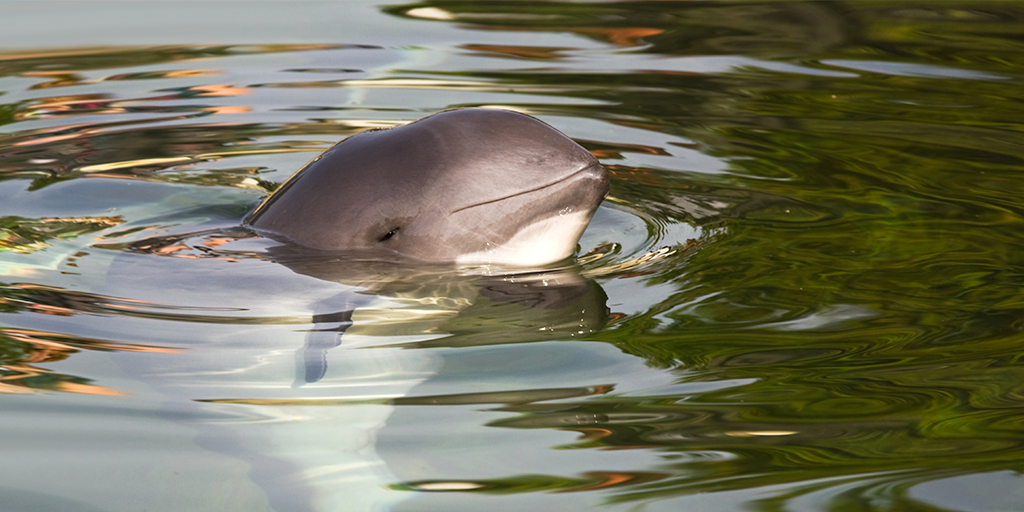
Mammals are all animals that nurse from their mothers, just like our babies do. So the hare, the moose, the roe deer, the tiger, the bear, the dog, and the elephant are all mammals. Birds are not mammals, because they do not nurse their chicks. Fish are not mammals either, because they do not nurse their fry. Whales, on the other hand, do nurse their calves. The whale is the largest mammal on Earth.
What does diversity mean?
A simple answer to that question is “many different kinds.” When we talk about biodiversity, we mean all the different species of animals and plants that exist in the world. Biodiversity is important in nature.
Diversity in nature is important. But why is that, exactly? If there are so many different animal species in the world, does it really matter if one goes extinct?
Do you remember how food chains work? A caterpillar eats a leaf, a hedgehog eats the caterpillar, a fox eats the hedgehog, and so on. If you remove the caterpillar, the hedgehog will be left without food.
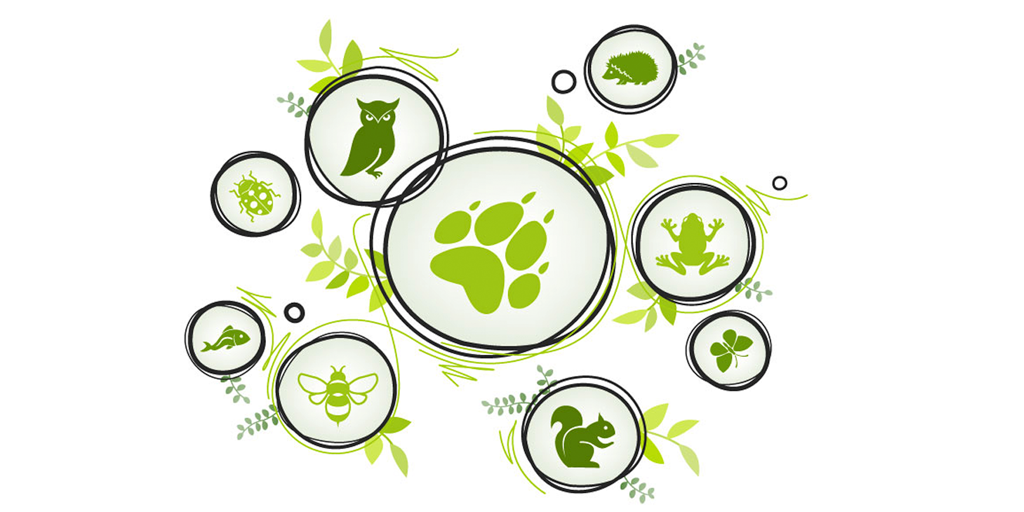
It is important that we try to preserve all existing animal and plant species. There is always something that eats that particular animal or plant. If we remove that animal, something else might be left without food. That is why biodiversity is important.
Task
Solve the puzzle!
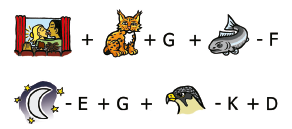
Write down the answer to the riddle.
Where do all the animals live?
Animals live wherever they can find shelter and food. Some are so small that we can’t even see them. Animals such as mites live in our beds. Other small animals live in our pantries. Some larger animals live right next to us, yet we don’t see them. For example, rats often live in attics, in basements, or underground in sewers.
Task
Find the right place to live!
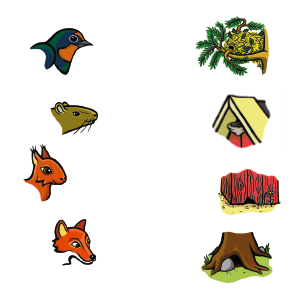
Match the right animal with the right habitat!
Animals in Different Countries
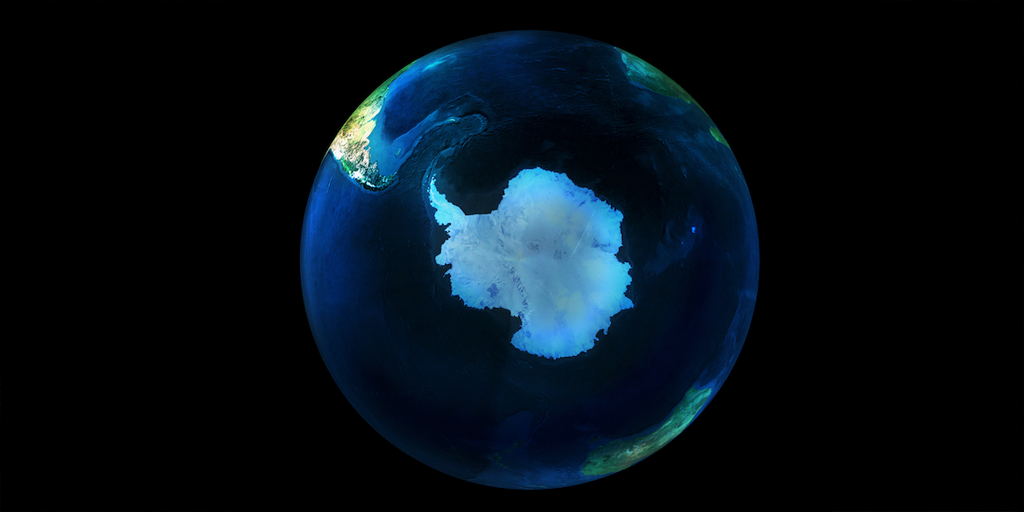
Since the countries of the world have such different environments, different types of animals live in different places. Penguins thrive in the cold Antarctic, and zebras in the warm savannas.
What do the animals eat?
Herbivores
Most animals eat plants or other animals. Some eat both plants and animals, and a few eat dead animals and dead plants.
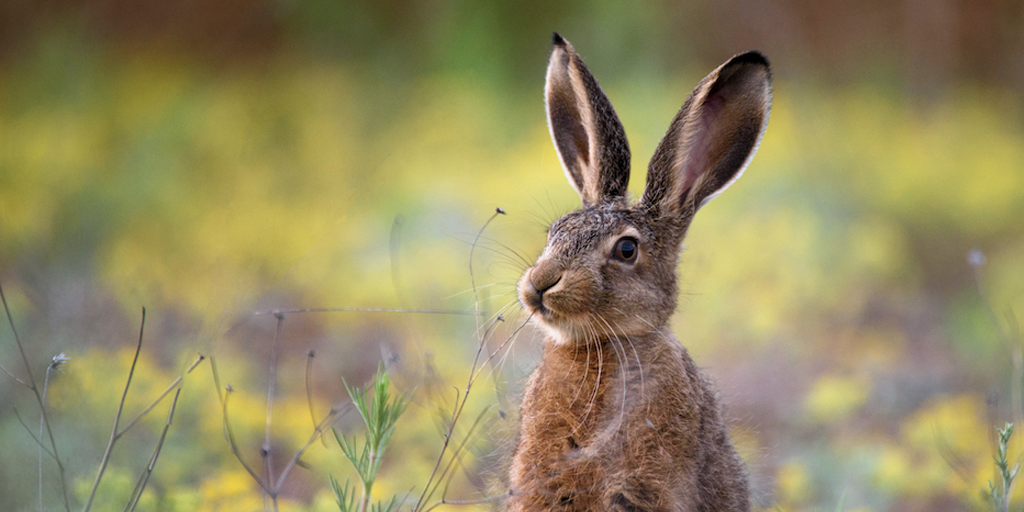
Animals that eat only plants are called herbivores. Examples include the hare, the moose, and the grasshopper.
Carnivores
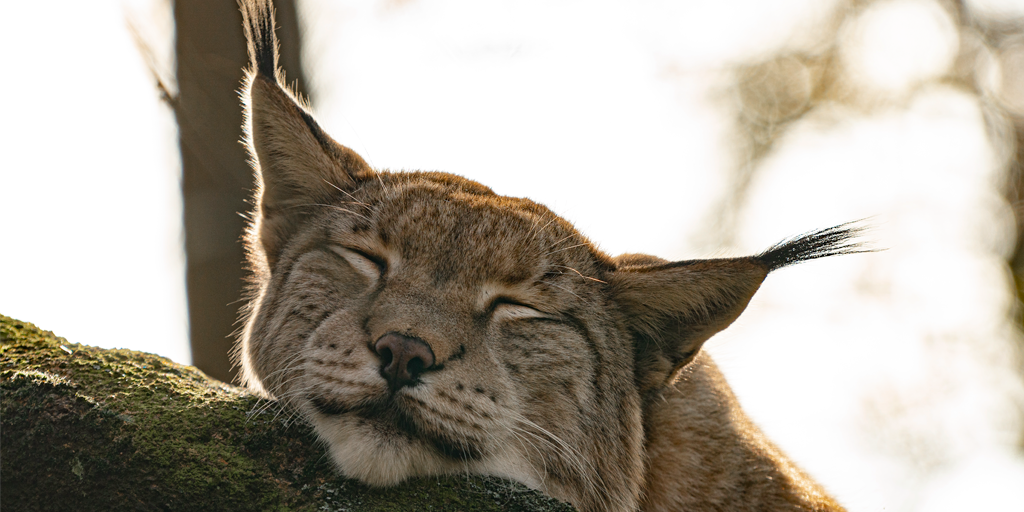
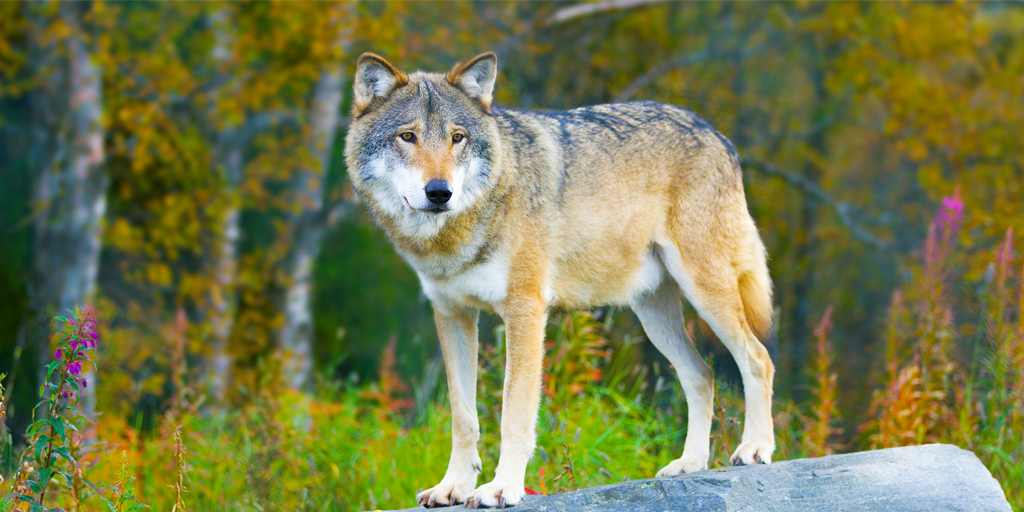
Animals that feed on other animals are called carnivores or predators. Wolves, lynx, pike, and eagles are examples of predators.
Omnivores
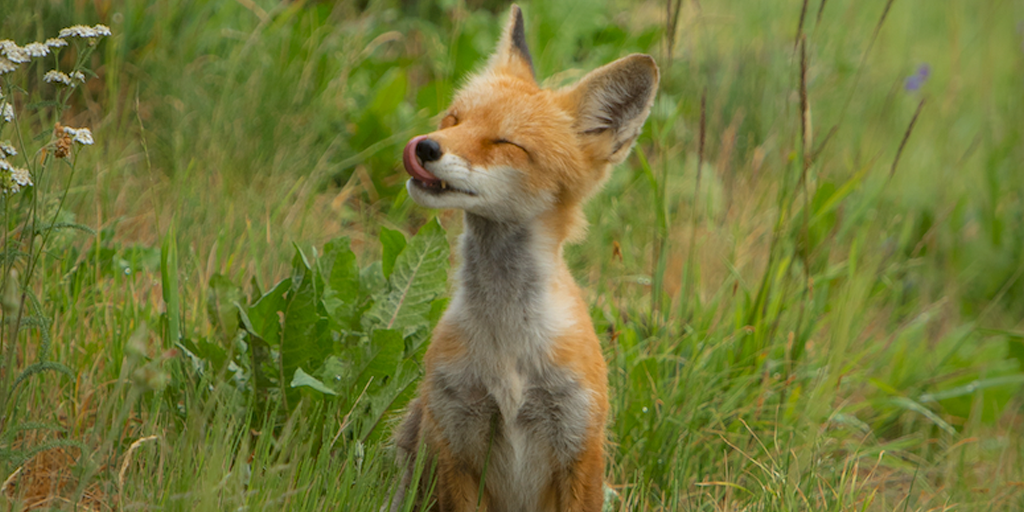
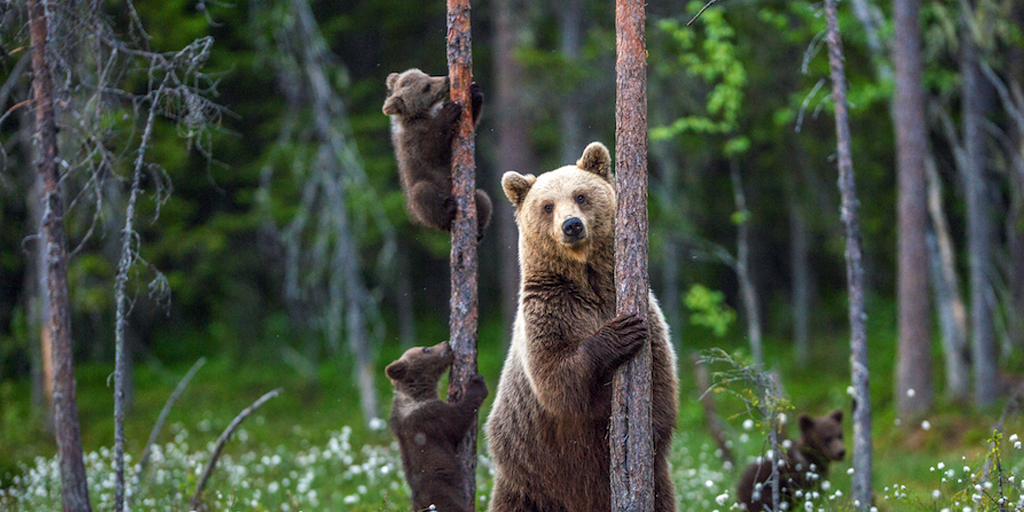
Animals that eat both plants and other animals are called omnivores. Foxes and bears belong to this group.
Scavengers
Animals that eat dead animals are called scavengers.
Decomposers
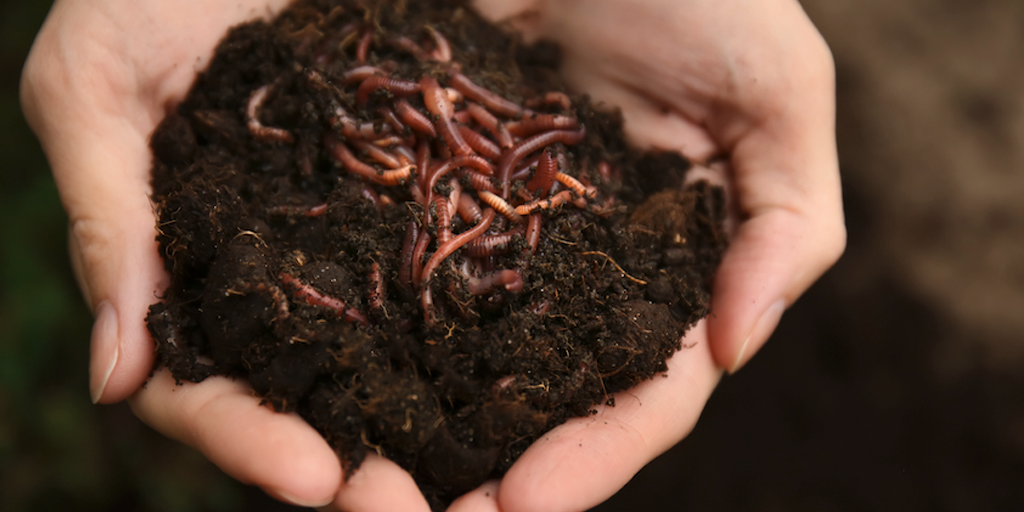
Animals that eat dead matter—both animals and plants—are called decomposers. They are nature’s cleaners.
Then there are animals that only eat dead plants or animals occasionally, when there is nothing else to eat, such as the fox, the fly, and the golden eagle.
Task
Animals in Different Countries!
What kinds of animals are found in different parts of the world? Think about it for a moment.
What kinds of animals are there in the Swedish forest?
What animals live on the African savanna?
What exciting and unusual animals can be found in the Amazon rainforest?
There are many fish in the ocean, but there are also many other animals—which ones?
On the other side of the world lies Australia—what animals live there?
Icy Antarctica—what kinds of animals can we find there?
Food Web – Who Eats What?
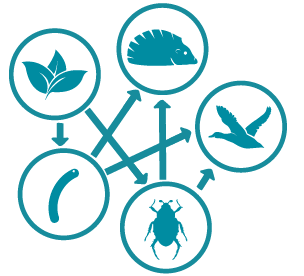
Imagine a pile of leaves and grass. What animals do you think would want to go there and munch on the pile? Maybe an earthworm and an insect?
Sometimes there can be a competition over the same food. Imagine a hedgehog coming along.
It gets really happy when it sees the earthworm and the grasshopper, since it eats both worms and insects. But just as it’s about to gobble up the worm, a bird swoops down and snatches it away—because the bird also likes both worms and insects.
Nature is in balance
When everything is as it should be and nature is thriving, animals and plants live in balance. This means that there is always exactly as much food as a group of animals needs to survive. Even though the number of animals sometimes decreases and sometimes increases, they are still there.
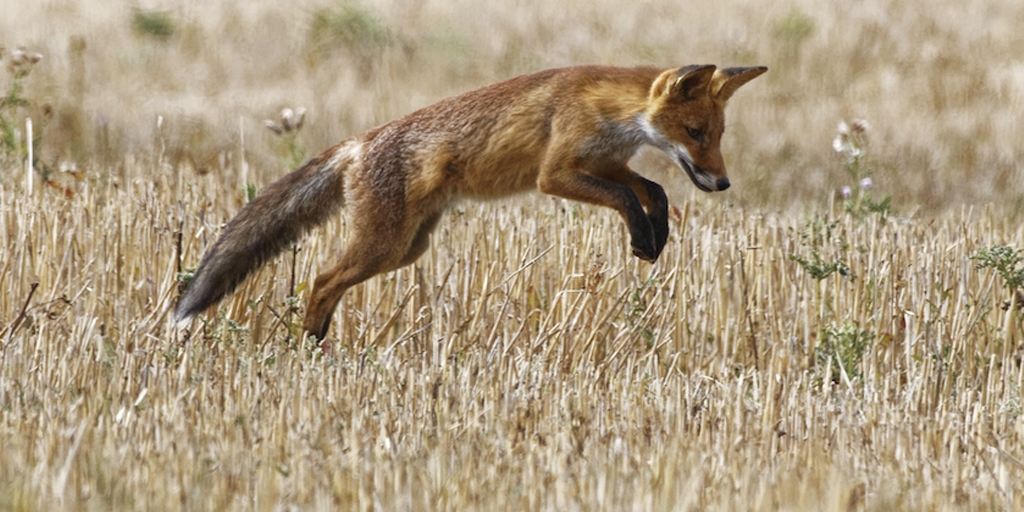
Let's take an example:
Foxes eat mice. If there are plenty of mice, the foxes grow strong and have many cubs.
Then there will be many foxes eating more mice. Eventually, there may be far fewer mice left. Then the foxes won’t have enough mice to eat. They’ll grow weak and have fewer cubs.
When there are fewer foxes, life becomes easier for the mice, and they have more offspring. And when there are more mice, the foxes have more to eat, which in turn leads to more foxes.
To Eat or Be Eaten
Animals are constantly fighting one another. They all want to survive, but only those who find food and shelter will make it. Animals have therefore developed various ways to protect themselves from their enemies.
Birds sing to let other birds know that this is their territory. This is where the bird finds food for its family. That’s why the bird wants to keep its territory undisturbed; otherwise, there won’t be enough food for its chicks.
DID YOU KNOW THAT...
Did you know that...
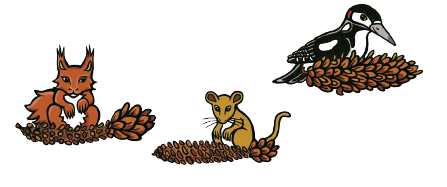
Can you tell from the pinecones who’s been eating them? Squirrels, mice, and woodpeckers all love pinecones. They nibble on them a bit and then leave the pinecone behind. It’s perfect evidence!
Now you can do a little detective work in the forest. Here you can see what the pinecones look like after a squirrel, a mouse, and a woodpecker have been at work.
Task
Find ten animals!

See how fast you can find 10 animals—your time starts NOW!
Animals trick their enemies
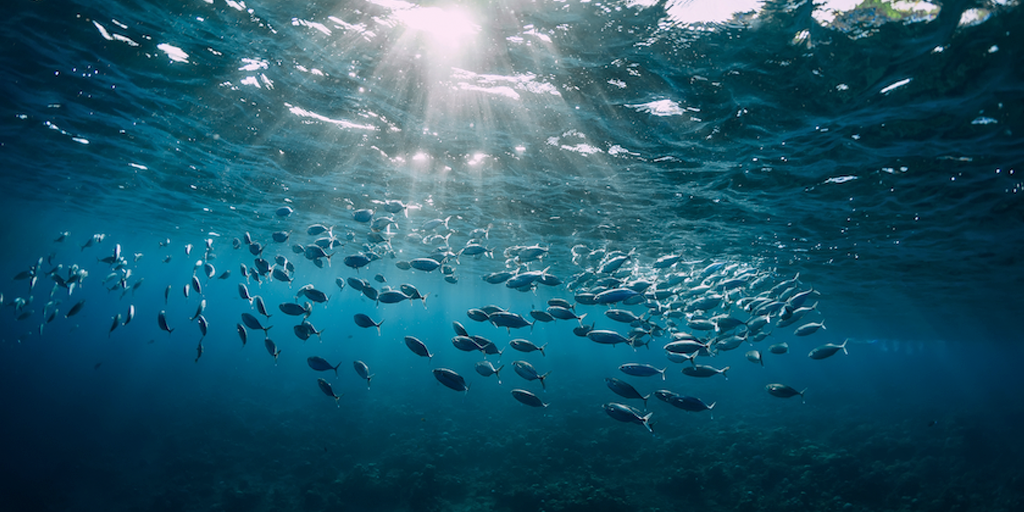
Fish swim in schools to protect themselves from predators. In the water, a school of fish can look like one large fish. This is how small fish scare off their large predators. Many insects protect themselves by blending in with their natural surroundings. This makes them difficult for predators to spot.
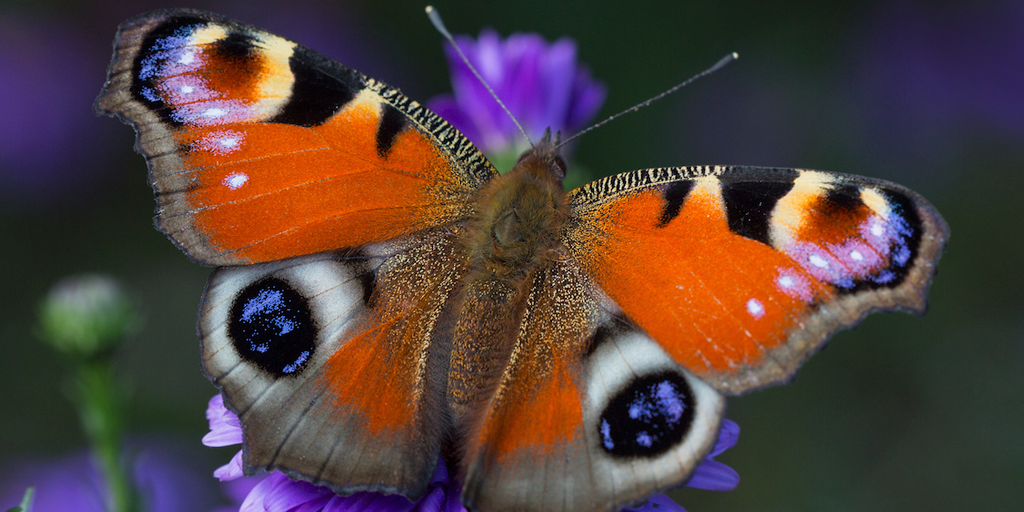
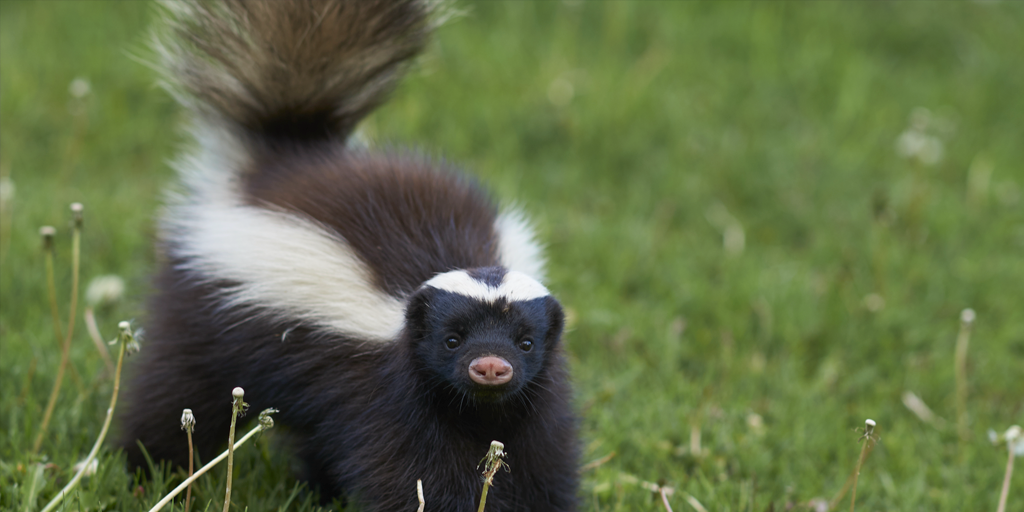
Others scare off their enemies by smelling bad or looking dangerous.
Responsibility for the Lives of Animals
Since we humans eat animal meat and other products that animals provide, such as milk and eggs, it is also our responsibility to ensure that animals are treated well.
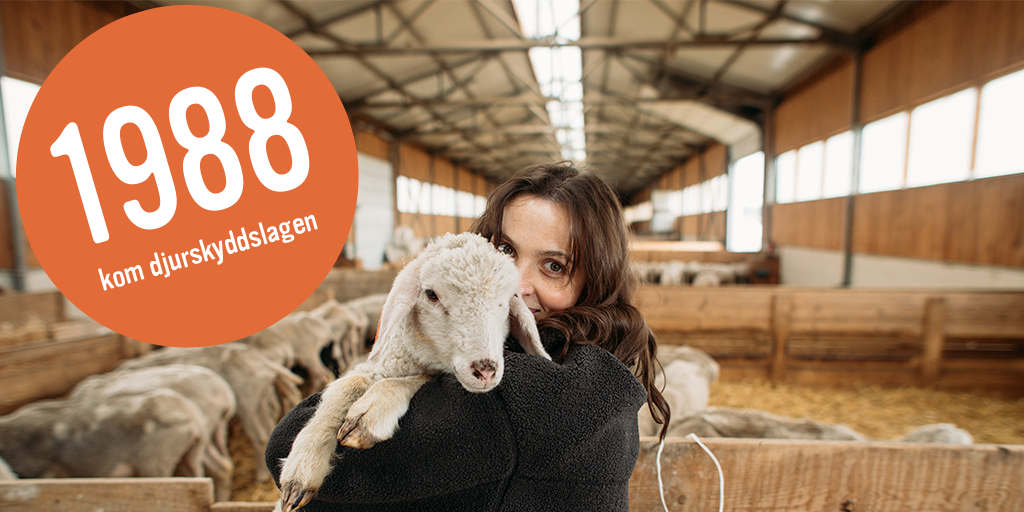
One person who helped improve the lives of chickens was the author Astrid Lindgren, who wrote, among other things, the book *Pippi Longstocking*. In the past, almost all chickens were kept in small, cramped cages. When Astrid wrote newspaper articles arguing that chickens should be let out, readers began buying free-range eggs—eggs from chickens that roam freely in a fenced-in area. As customers began demanding free-range eggs in stores, farmers started letting their chickens out of their small cages.
Task
Solve our riddles!
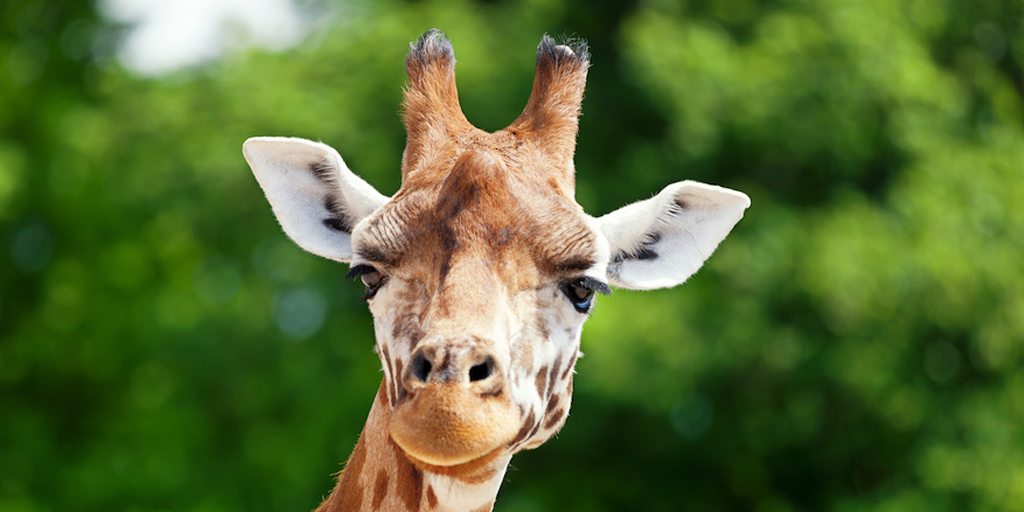
What's worse than a giraffe with a sore throat?
Which animal is best suited to work in the forest?
Which animal can jump higher than a house?
What do you get if you cross a snake and a hedgehog?
Endangered Animals
Many wild mammals and birds in Sweden are protected. For example, you are not allowed to capture, harm, kill, or take home birds, mice, or hedgehogs. Only hunters with a hunting license are allowed to hunt animals such as moose and roe deer, and only during a specific time of year.
If you find a baby animal in the wild, leave it alone. The mother is usually nearby.
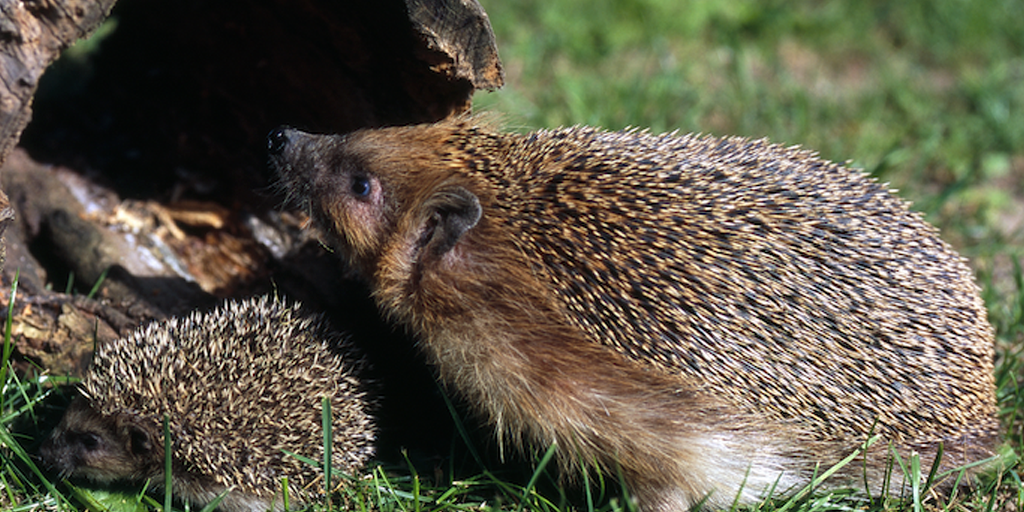
Task
Guess the animal!
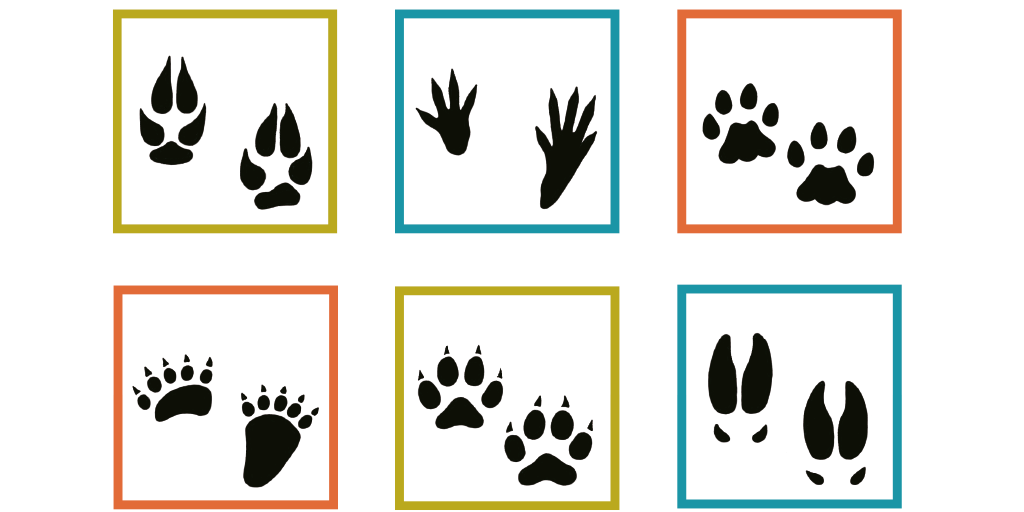
Guess the animal track here, and write your answer.