ROLE MODELS
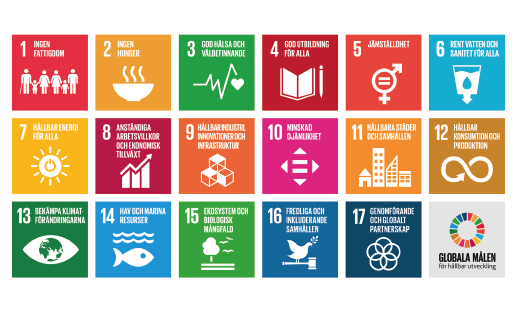
We must work together to create a thriving planet where we can live and thrive. That is why, in 2015, world leaders did something unique. They drew up a list of 17 goals for a better world. All countries will now work together to achieve the Global Goals by 2030. We want to achieve these goals so that, among other things, we can accomplish the following four amazing things:
The year 2019 will go down in history as the year when the world’s youth began to actively engage in environmental issues. Millions of people around the world followed the children’s example and devoted their Fridays to peaceful demonstrations against climate change.
In fact, world leaders took a major step toward a better world in 2015. They drew up a list of 17 goals for a better world. All countries are now working together to achieve the Global Goals by 2030. We want to achieve these goals so that, among other things, we can accomplish the following four amazing things
- The elimination of extreme poverty
- Reduced Inequalities and Injustices in the World
- More Efforts Toward Peace and Justice for All
- A Solution to the Climate Crisis
We need role models and positive examples
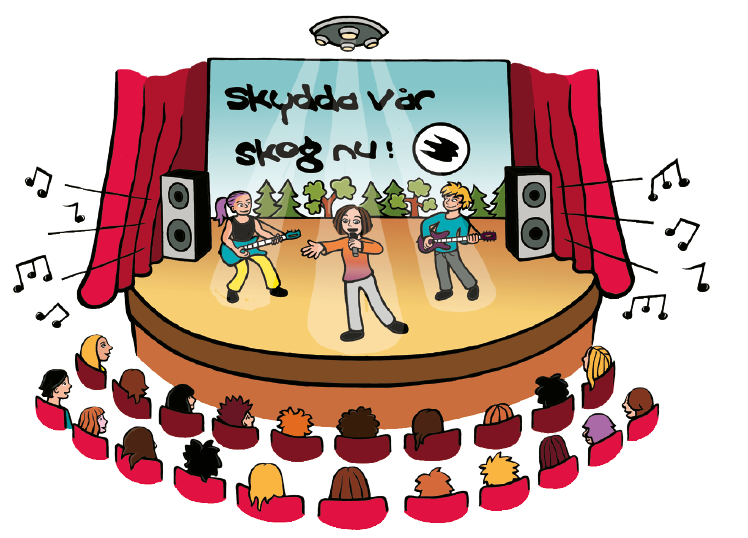
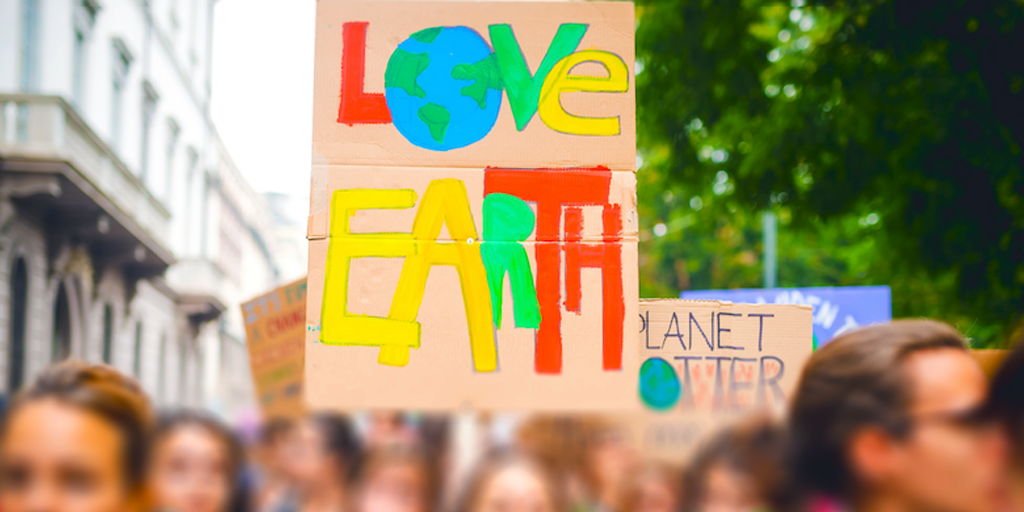
One day in August 2018, a group of young people sat down outside the Swedish Parliament. They were carrying a sign that read “School Strike for Climate.” There, they protested that adults aren’t doing enough to stop climate change. A couple of newspapers wrote about the initiative, and then we didn’t hear much more about it—until four months later, when one of the young people gave a speech at the UN Climate Change Conference in Poland!
Task
Who is your role model?
Role models inspire others with their talent, their personality, or something else unique. However, a role model doesn’t have to be a celebrity. It could be a friend who’s braver than you are—or who makes an amazing vegan pizza.
Think about who your role models are. Write down the names of your role models.
What do you usually do to help others?
Have you ever thought about how you react when someone does something kind, like holding the door open for you? It feels good, doesn't it? And when you then hold the door open for the person coming behind you, you're helping to spread that kindness, which ripples out like waves on water.
According to the so-called “broken window theory,” we unconsciously analyze everything that happens around us. If a window is broken in a residential area and isn’t repaired, it sends the message that “the people who live here aren’t important.” It won’t be long before people start littering there or breaking more windows. The solution? Fix the window, of course. And pick up the trash off the ground.
The proverb “Children do as you do, not as you say” actually applies to all of us. We naturally want to be like the people we admire—to be like them, to do as they do. Something we might not realize is that others can be influenced and inspired by us, even when we don’t intend for that to happen. If you shop a lot, the people around you might start doing the same, because it feels “normal.”

How do you become a good role model?
People prefer to do and think about things that make them feel good. That’s why inspiration works better than criticism. “Just think what a great thing you’re doing for the environment by taking the train to Gothenburg!” sounds better than “Did you know that a flight to Gothenburg causes as much air pollution as 40,000 train trips on the same route?”
Three people who are doing amazing things for the oceans are Andrew, Pete, and Boyan. You can read more about how it went a little further on.
Floating trash can sucks up trash
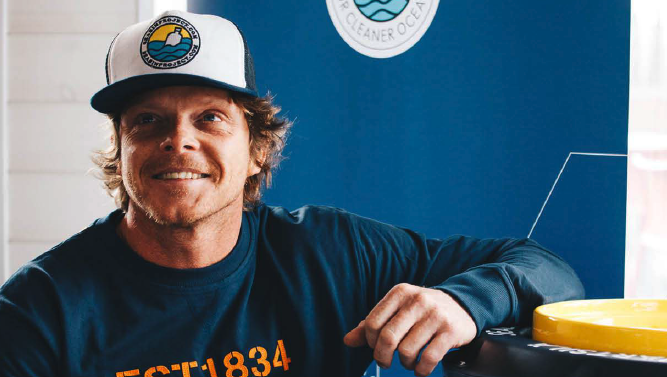
Andrew Turton and his friend Pete Ceglincski are two Australian surfers who got fed up with all the trash they saw in the ocean. They invented a floating trash can that automatically collects plastic bottles, paper, oil, gasoline, detergent, and other trash from the ocean.
The Seabin Trash Can
- I spent most of my childhood in the water. With each passing year, the water became filled with more and more trash. It’s really no fun swimming around among plastic. So when I met Andrew and he told me about the idea for the water trash can, I was immediately interested, says Pete. When Pete previously worked as a product designer, he designed plastic products. Today, he’s cleaning the oceans of plastic instead.
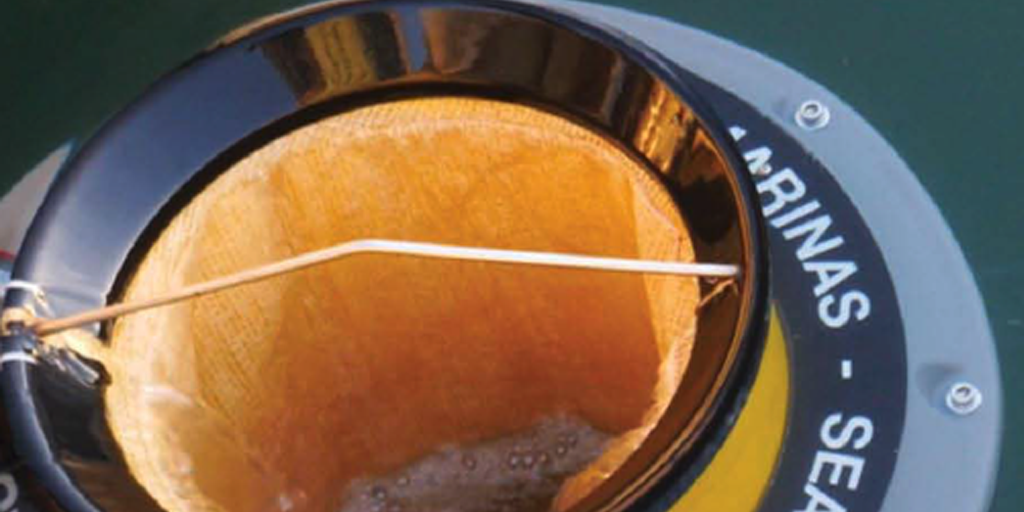
"Now I realize that we don't actually even need all that stuff," Pete notes.
Huge islands of trash
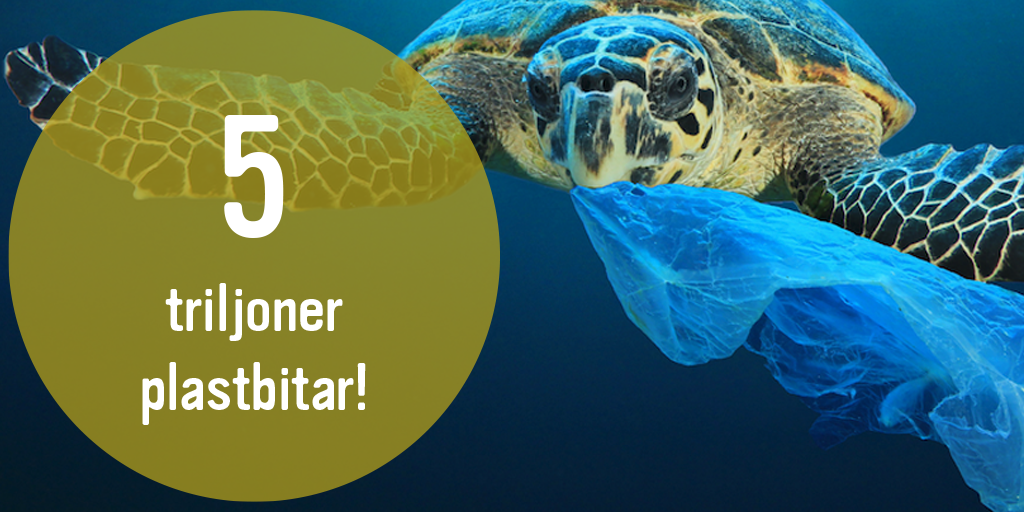
Ocean currents carry the pieces of plastic in different directions. In some places, so much accumulates that it forms islands of trash. That’s not how it’s supposed to be—beaches are supposed to be beautiful! Gentle waves rolling in, the sun glistening on the water’s surface, clean sand, and an endless horizon—that’s what makes us happy. We don’t want to lose that, do we?
Here's how easy it is to help the ocean!
Skip the plastic bags—use your bag or a cloth bag. Choose a water bottle you can reuse. Cloth bags are available at most stores!

He cleans up the world's oceans
Dutchman Boyan Slat has always enjoyed solving problems. When, during a diving trip to the Greek island of Lesbos, he saw more plastic than fish in the ocean, the problem-solver in him was awakened.
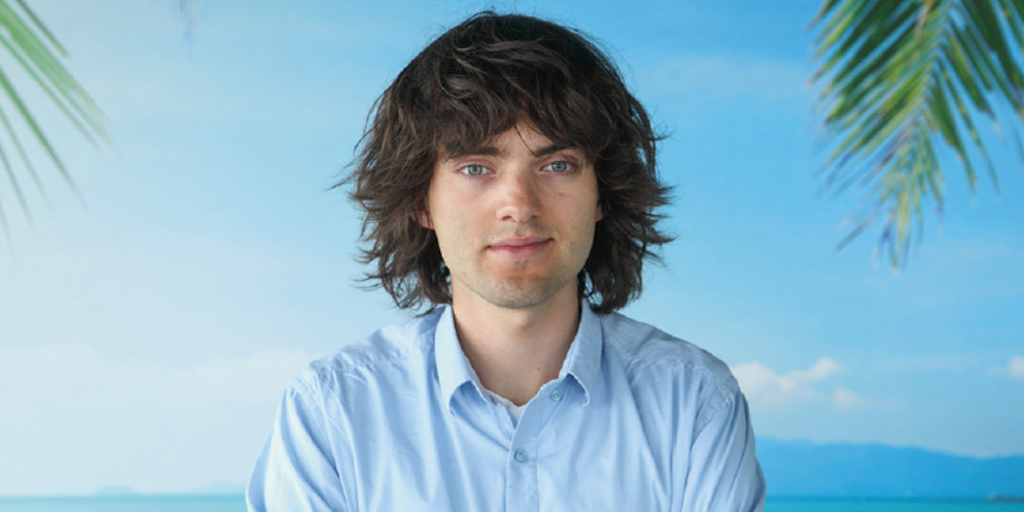
He realized that the oceans had to be cleared of trash—but how?
Collecting the trash with boats and nets would take too long. It would also cause a lot of carbon dioxide emissions and harm marine life. Finally, he came up with the solution: by letting the ocean currents carry the plastic toward a net, the oceans could clean themselves.
Now all he needed was some help with the project, which he called The Ocean Cleanup.
However, it would turn out to be harder than he had thought.
At first, no one believed in his idea. He contacted 300 companies, but none of them were interested.
So one day, he talked about his idea at TED, an online forum where people from all over the world give short talks on interesting topics. Suddenly, hundreds of emails started pouring in from volunteers and companies that wanted to become sponsors. The Ocean Cleanup now has more than 80 employees and over a hundred volunteers.
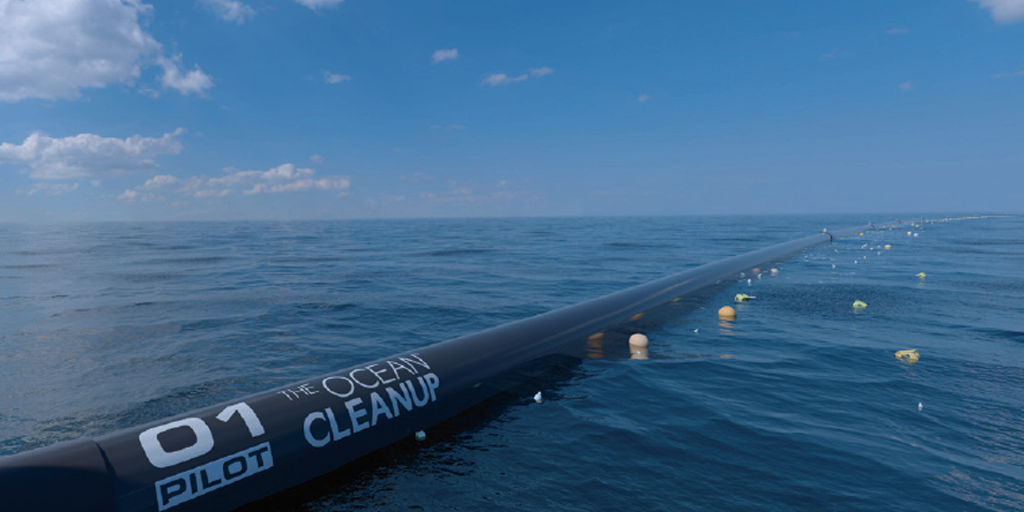
During the largest cleanup to date, a 600-meter-long net was deployed in the ocean between Hawaii and California. That’s where a massive garbage patch known as the Great Pacific Garbage Patch bobs on the waves. That time, they collected 60 large bags of trash and fishing nets, totaling 60 cubic meters. The goal is to clean up at least half of the garbage patch. And Boyan is optimistic about the future:
Floating barriers, supernets, and interceptors
Plastic in the oceans is collected in part by allowing ocean currents to carry the debris toward floating,
U-shaped barriers. There, the plastic gets trapped in “supernets” that do not harm marine life.
The Ocean Cleanup has also developed a water vacuum cleaner—known as an “interceptor”—that sucks up the plastic. These vacuum cleaners will be placed at major river mouths so that we can capture the trash before it flows out into the ocean.
Water in the World
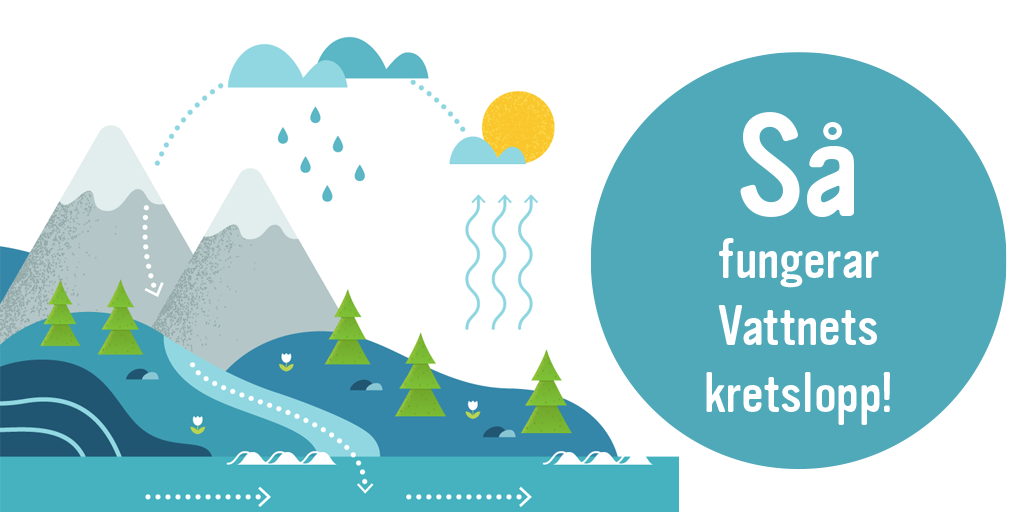
If you look at our planet from space, you can see that it is mostly made up of oceans. We cannot drink the salt water in the oceans. Freshwater— the kind we can drink—makes up a tiny fraction of all the water in the world, just three percent.
Most of the freshwater is locked up in glaciers and deep underground as groundwater. The water we can actually access, from springs and wells, accounts for less than one percent.
Unequally distributed
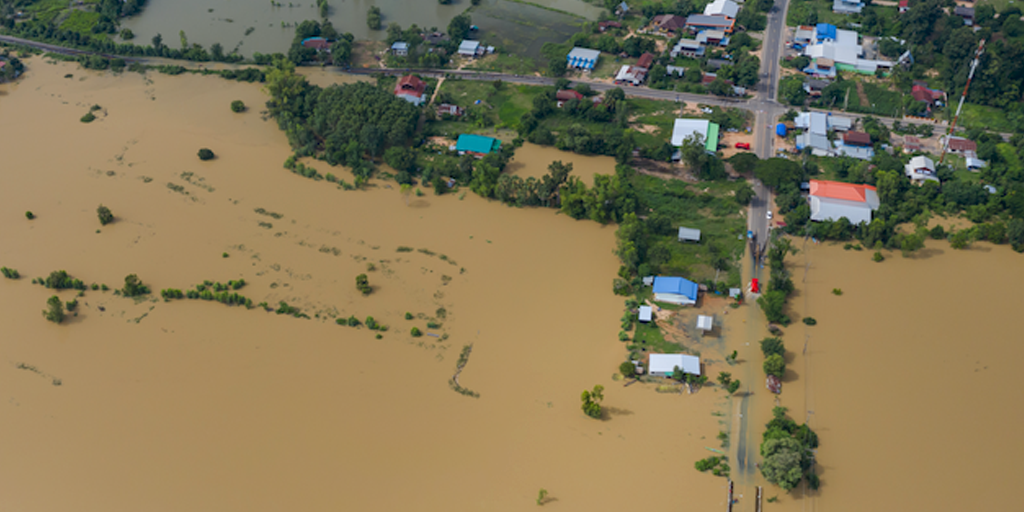
Even though there is so little fresh water, it would be enough for everyone—if it were distributed equally. However, countries around the world face different conditions. While some countries suffer from drought and water shortages, others are hit by floods, which result in drinking water being contaminated by dirty water.
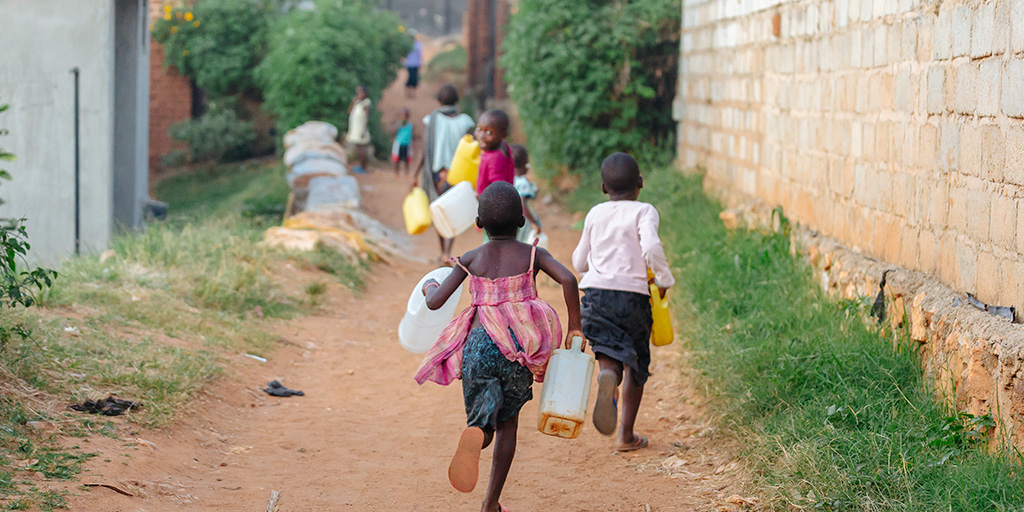
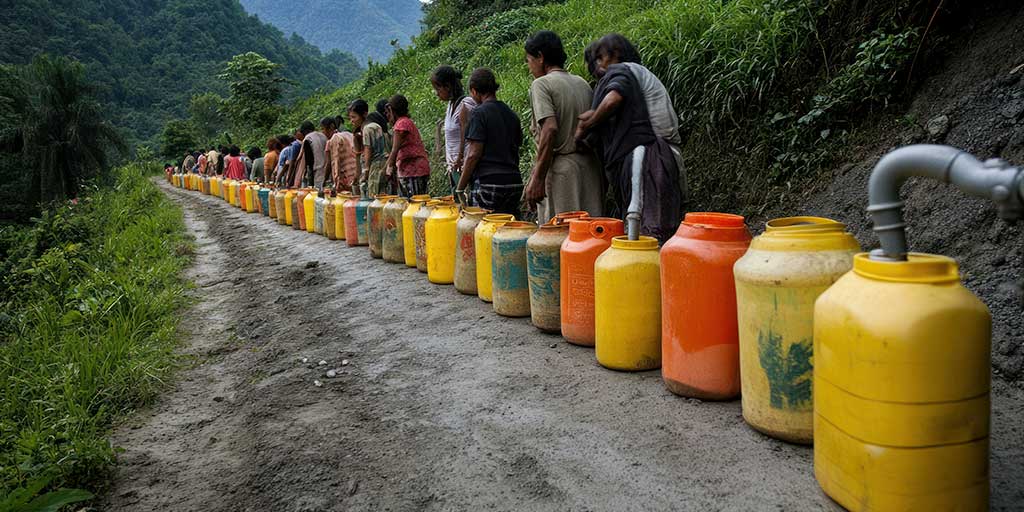
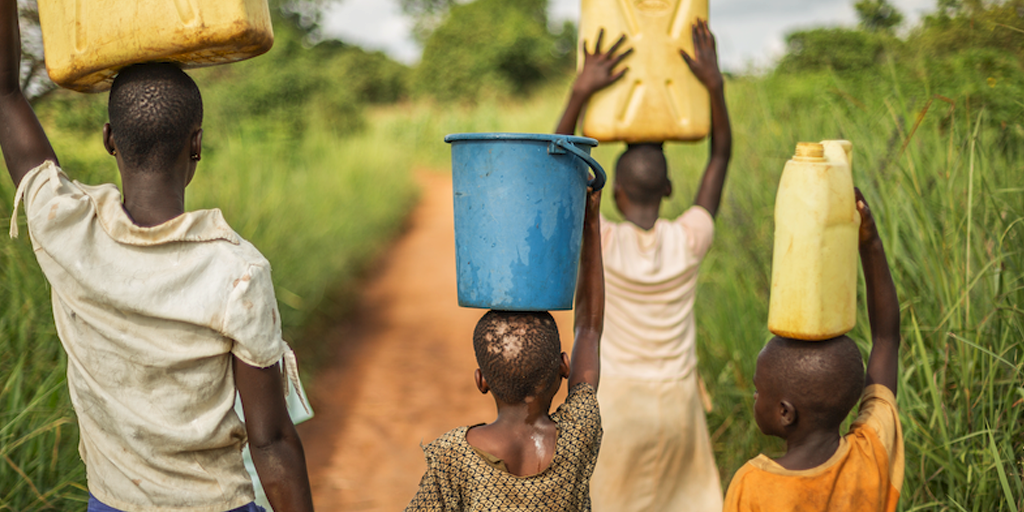
Sometimes it’s more about money than the water itself. In Africa, for example, there is plenty of groundwater. What’s lacking is the money to drill wells, build water treatment plants, and install piping systems to transport the water. In poor countries, it’s not uncommon for people to be forced to walk for hours to the nearest well or water source—which may not even be clean.
Why do so many people lack access to clean water?
More than 2 billion people lack access to clean drinking water. That is 200 times Sweden’s population. There are many possible reasons for this:
• Drought: especially in areas where it rarely rains
• Flooding: when contaminated water mixes with drinking water
• Pollutants from wastewater, industry, and agriculture
• No or poor-quality plumbing
• No water treatment plants or sewage treatment plants, or ones that are substandard
• Desertification: when the earth turns into a desert
• Poverty: People cannot afford to drill wells or build water treatment plants.
Why does it rain so rarely in the desert?
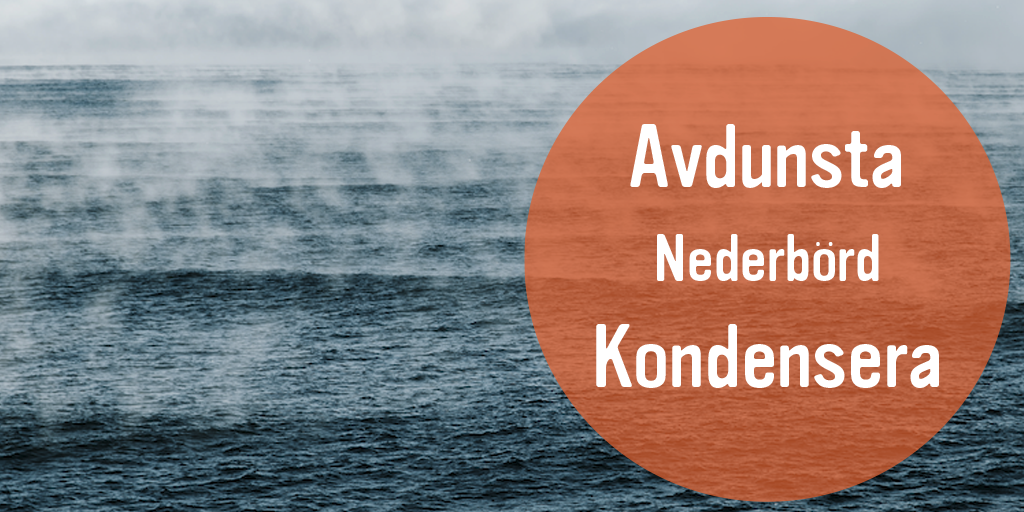
Rain forms when water from the ocean, lakes, and plants evaporates. The water turns into vapor, which rises into the atmosphere and forms clouds. When the vapor cools, it condenses into tiny water droplets. When the droplets become large and heavy, they fall as rain.
Most deserts have high air pressure, which causes the air to sink rather than rise. If no clouds form, there won't be much rain either.
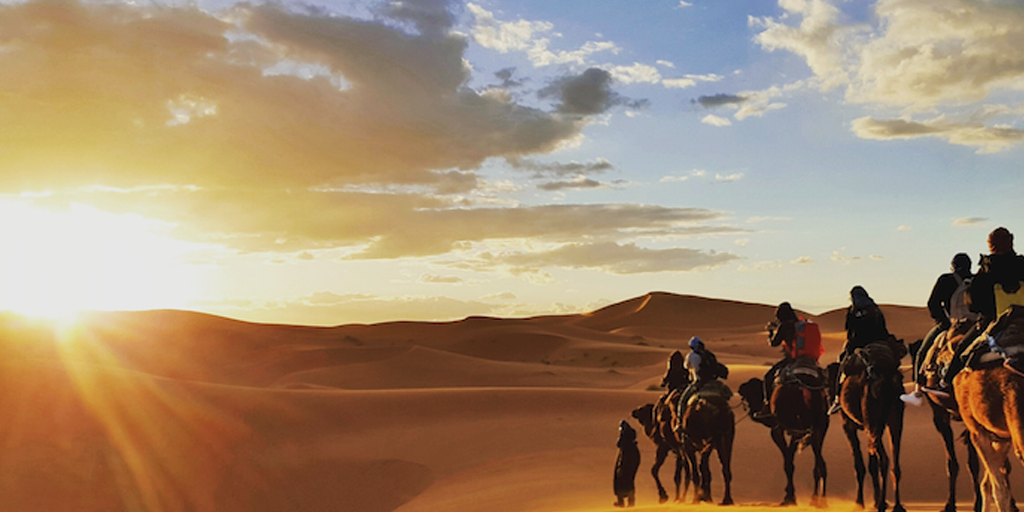
In countries affected by drought, about 70 percent of farmland has already been destroyed—or is at risk of being destroyed—by desertification. Africa is the hardest hit, but the problem also exists in the United States, Latin America, and the Caribbean. In Europe, Spain has been hit the hardest. One-fifth of Spain’s land area is threatened by desertification.
How are deserts formed?
Sometimes deserts form as a result of natural changes in the climate, such as long periods of drought or flooding. Just as often, however, we humans have caused the spread of deserts.
Deserts can be caused by natural climate change, but they can also be the result of how we humans use the land. When we cut down trees to cultivate the land or to provide pasture for livestock, we destroy the trees’ roots. Without tree roots, there is nothing to hold the soil in place when the wind blows. The wind blows the soil away little by little until only sand remains. Then nothing can grow there anymore. Without plants, there is also nothing to retain water in the soil. Rainwater runs off or evaporates quickly.
Desertification
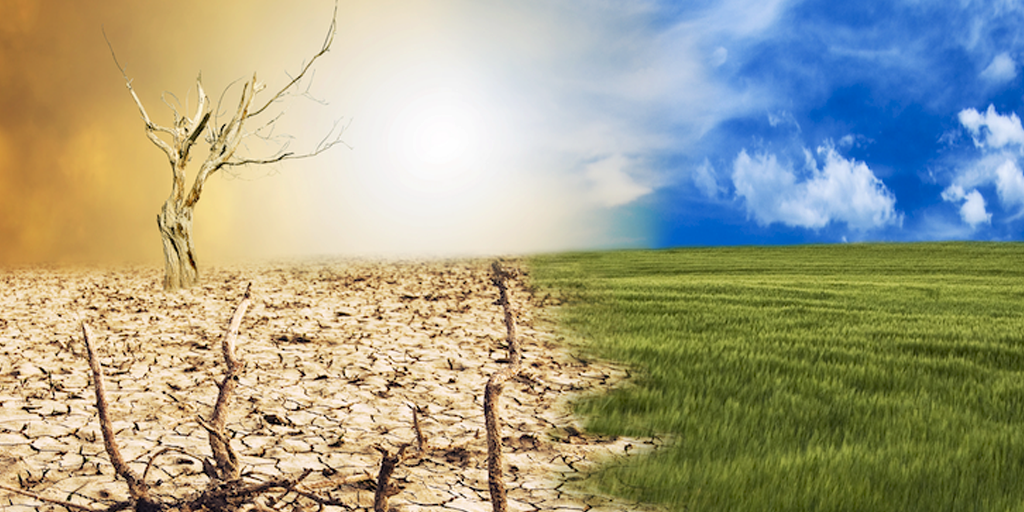
One-third of the Earth's land area is threatened by desertification. The approximately 250 million people living in these areas are severely affected because it becomes difficult to find water and grow food.
Desertification is destroying farmland in many arid countries. Africa is the hardest hit, but the same problem also exists in the United States, Latin America, and Spain. One-fifth of Spain’s land area is at risk of desertification.
Poor harvests in Sweden caused one million people to move
In the 1800s, Sweden suffered from poor harvests for several years. During those years, known as “years of famine,” there was not enough food to go around. Many people went hungry, and people died. Eventually, it became so difficult to survive that one million Swedes chose to emigrate to America.
If that had happened today, they would have been called climate refugees. Today, more people are fleeing because of climate change than because of war—about 20 million people. That number is expected to rise.
In countries where people depend on what they grow, they are left without food if the harvest fails. If they can’t find other work, they have neither food nor money. Poor harvests also cause food prices to rise for everyone.
Difficult to grow in extreme climates
It’s hard to farm when it’s too dry. And it’s hard if it rains too much. Climate change is making dry countries even drier and rainy areas even wetter. Life is becoming especially difficult for farmers, and more people are at risk of falling into poverty.
Clean water saves lives
In Sweden, we take our clean tap water for granted. We’re used to simply turning on the faucet to get clean, safe drinking water. We also know that the water we flush down the toilet is treated at wastewater treatment plants before it is released back into the environment.
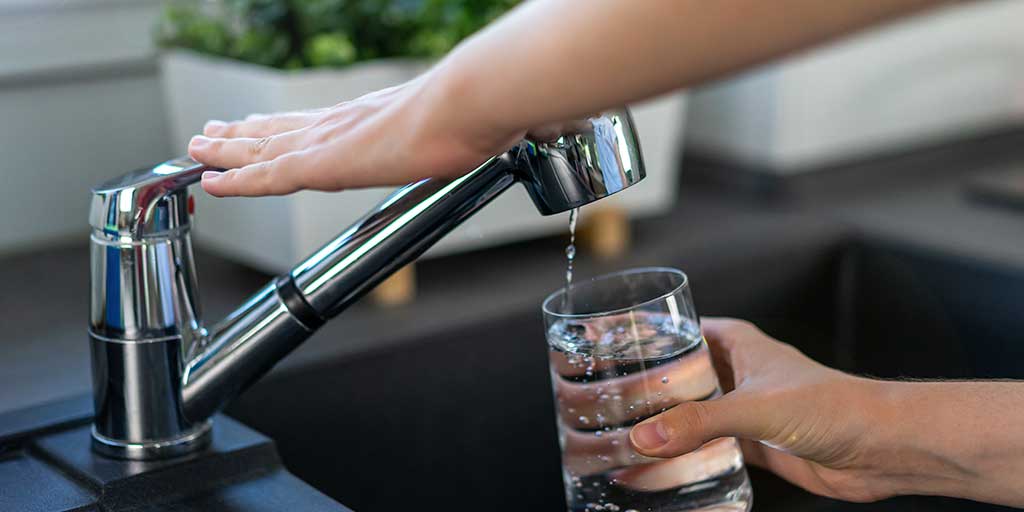
In countries that have neither water treatment plants nor sewage treatment plants, nor pipeline systems to deliver water to everyone, people are forced to fetch their water from rivers. It is often the same river where people wash themselves and their clothes. Drinking that water can make people sick.
Access to clean water is a human right. Yet as many as two billion people—200 times Sweden’s population— do not have clean water to drink.
The Wildfires in Australia
2019–2020
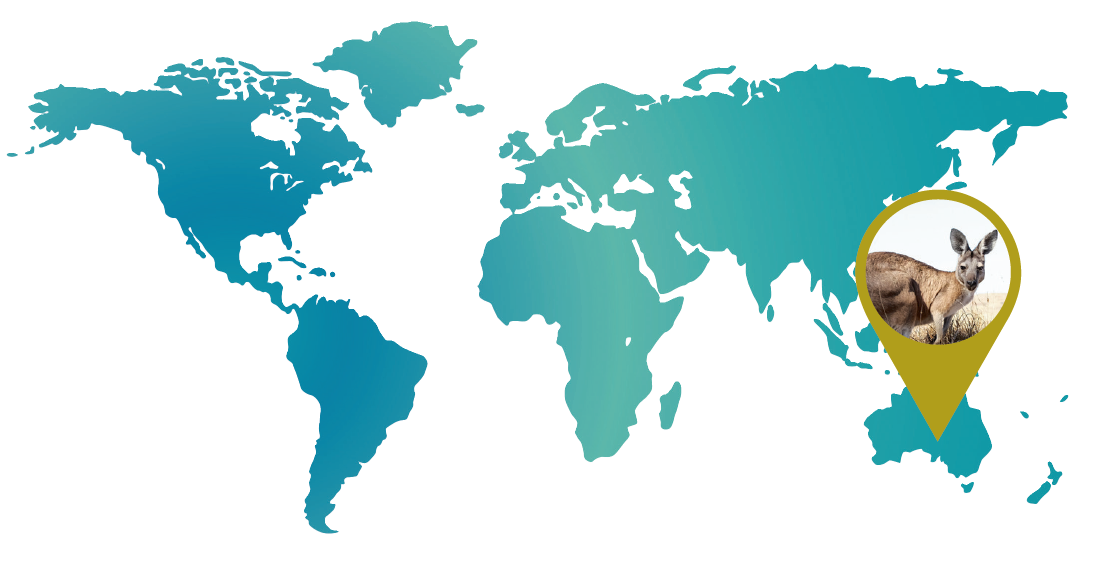
In 2019–2020, Australia—known for its kangaroos, koalas, and beautiful beaches—suffered the severe consequences of climate change.
The rising temperatures caused a prolonged drought, which in turn led to many massive wildfires. In total, the fires burned an area equivalent to half of Sweden. Three billion animals died—reptiles, mammals, birds, and frogs. Up to 60,000 koalas lost their lives. So did 445 people.
The fires show how climate change affects us all— animals, nature, and people.
Task
Solve two rebuses!
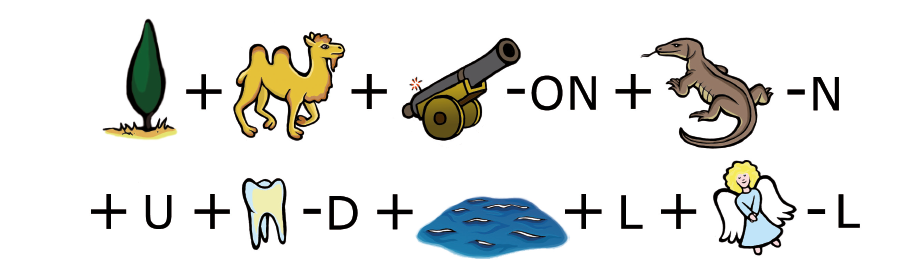
Solve the first rebus!

Solve the second rebus.
Task
What meaning do the words convey?
ER BE ALL THAT LIFE JOR HÖV ON WATER
Rearrange the syllables so that they form a sentence.

Task
Do the math! In an African village, the villagers have to walk 5 kilometers to the nearest river to fetch water. They carry the water in buckets that hold 15 liters.
"How many kilometers does a person have to walk to fetch 90 liters of water for the village?"
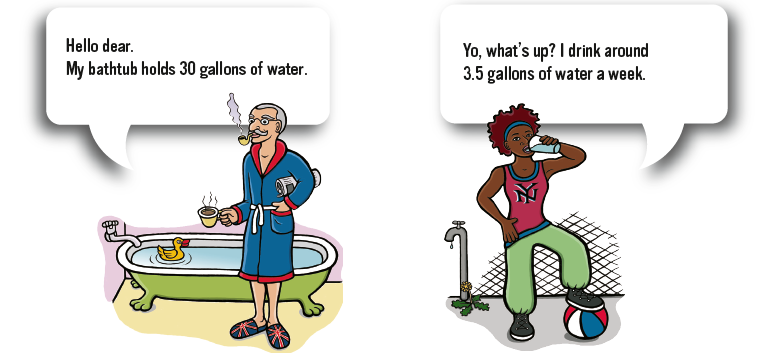
In the United Kingdom and the United States, water is measured not in liters, but in gallons. And, interestingly enough, a gallon isn't the same amount in those two countries!
1 gallon in the United Kingdom = 4.5 liters
1 gallon in the United States = 3.8 liters
How many liters of water are these people talking about?
Task
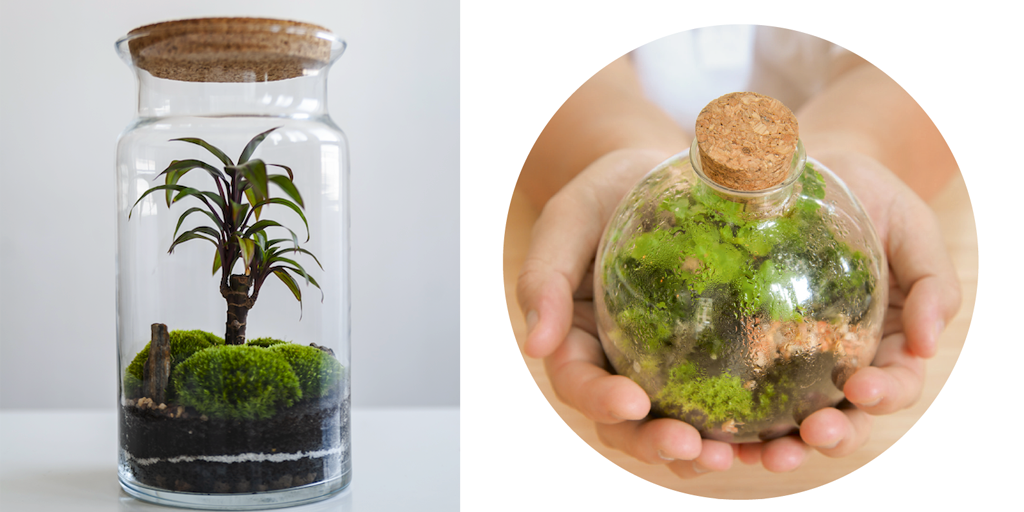
Create a miniature ecosystem.
In this experiment, you will explore the water cycle. The plants release water vapor that rises up inside the jar. When the water vapor touches the glass, it cools down again and runs down the sides. The plants reabsorb it through their roots. Oxygen and carbon dioxide circulate inside the jar and change between their different states.
Through the process of photosynthesis, plants take in carbon dioxide and convert it into oxygen.
The decomposing organisms in the soil do exactly the opposite.
You'll need:
- A glass jar or a small aquarium with a lid.
- Small stones or clay balls.
- Sand and soil.
- Plants that are just the right size to fit in the jar, such as ivy or succulents.
P.S. Feel free to choose different plants, but preferably not flowering ones.
Step 1
Place a layer of small stones or expanded clay pellets at the bottom and cover with sand.
Step 2
Step 2 Fill the pot with soil until it is half full.
Step 3
Plant the plants in the soil and water them a little. You don't need to use much water, since the plants and the soil already contain water.
Step 4
Put the lid on and make sure it's tight.
Step 5
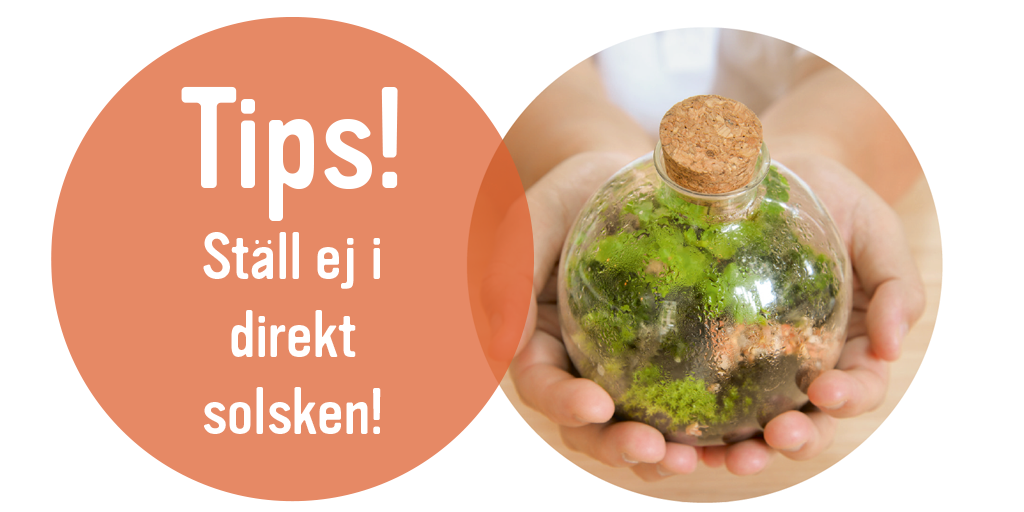
Place the jar in a well-lit area, but not in direct sunlight.
Study:
• You have now created a miniature water cycle. Do not open the jar during the experiment, or you will break the closed cycle. A mini-water cycle can last for several years! Keep track of what happens to the water.
What happens to the moisture in the jar after a couple of days?
Explain the concepts of precipitation, evaporation, and condensation in your own words.
Environmental problems have an impact in many ways
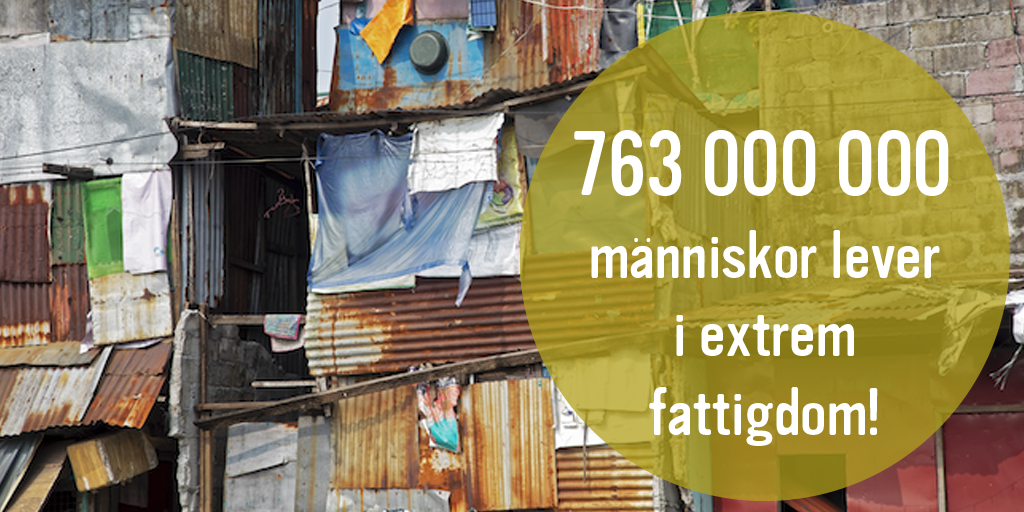
We often associate environmental problems with things that are clearly visible, such as car exhaust in the air and oil spills in the oceans. We understand that water shortages are caused by drought. But poverty—can it be caused by the environment?
Everyone needs agriculture
In the 1800s, Sweden suffered from poor harvests for several years in a row. During those difficult years, known as “famine years,” thousands of Swedes starved to death. Many times that number had barely anything to eat. As a result, many chose to emigrate to America.
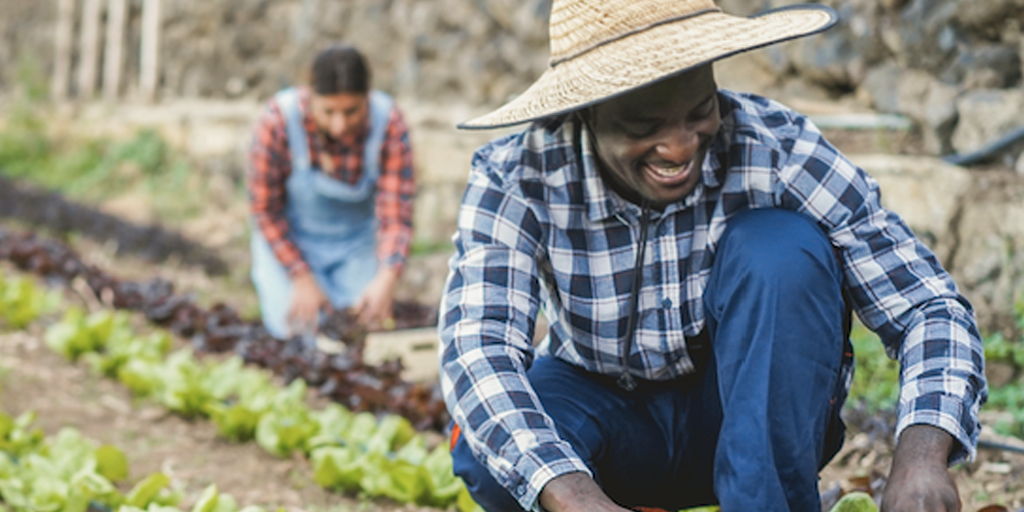
What may seem distant to us is very real for others. People who grow their own food—and who have no other means of earning a living if their harvests fail—risk being left without both food and money if they cannot cultivate their land. Even those of us who aren’t farmers are affected if the harvests fail, since poorer harvests lead to higher food prices.
Difficult to grow in extreme climates
It’s not just drought that causes problems. It’s at least as difficult to farm on a flooded field. Climate change is making an already difficult situation even harder. Africa is becoming increasingly arid, while fields in rainy countries are being flooded. Since it is primarily the climate that makes it difficult for farmers to grow food, it can be said that climate change also causes poverty.
Some numbers are unimaginable
In early 2020, Australia—known for its kangaroos, koalas, beautiful beaches, and warm climate—was hit by the severe consequences of climate change.
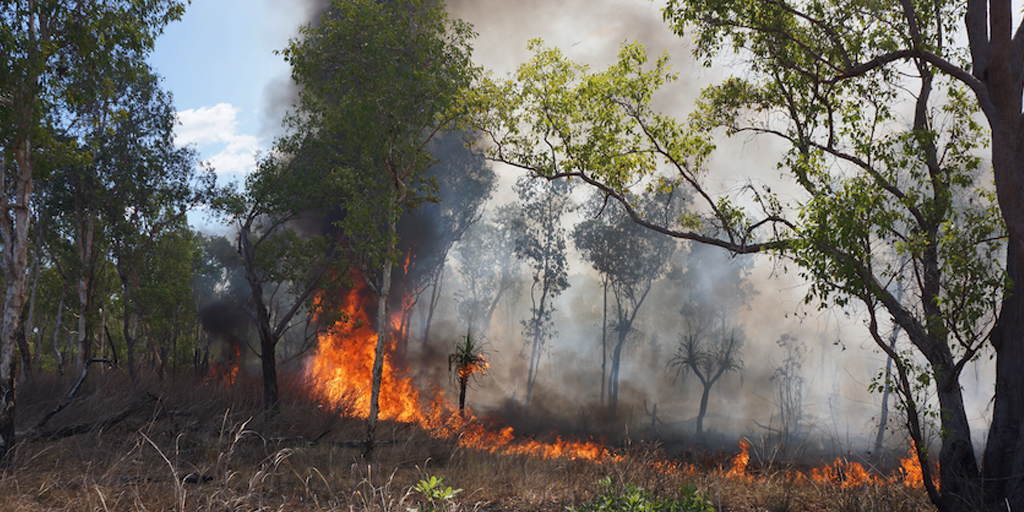
The rising temperatures eventually caused a prolonged drought, which in turn led to several wildfires. In total, an area the size of Denmark was burned. Tragically, 8,000 koalas died in the fires, and an unimaginable 480 miljoner mammals, birds, and reptiles met the same fate.
Assignments
Create a presentation!
There are many organizations dedicated to helping animals, the natural environment, and people in need. They raise funds for their projects from businesses and individuals.
For example, if the project involves drinking water, they raise funds for drills, wells, water pumps, and water purification equipment.
Which of these organizations have you heard of?
Create a cool presentation
Your assignment: Create a campaign for these organizations.
- They came up with various ways to spread their message.
- You will work in groups.
- Each of you will present one organization in any way you choose.
- Use your imagination! Create a presentation that no one will ever forget!
You can get more information about the assignment from your teacher.