WE CAN ALL MAKE A DIFFERENCE!
Did you know that we humans actually communicate more through our body language than with words? While we’re talking to each other, our bodies pick up on the other person’s body language—which can convey something completely different from what we’re saying. A friend might say they’re okay but look sad at the same time.
Sometimes it’s not even what someone says that we react to, but how it’s said. How does their voice sound—happy, grumpy, bored, tense?
When we chat, text, or write things online, we can’t see each other, which can lead to misunderstandings. Normally, our body language clarifies what we mean. When we can’t see each other, we interpret things on our own.
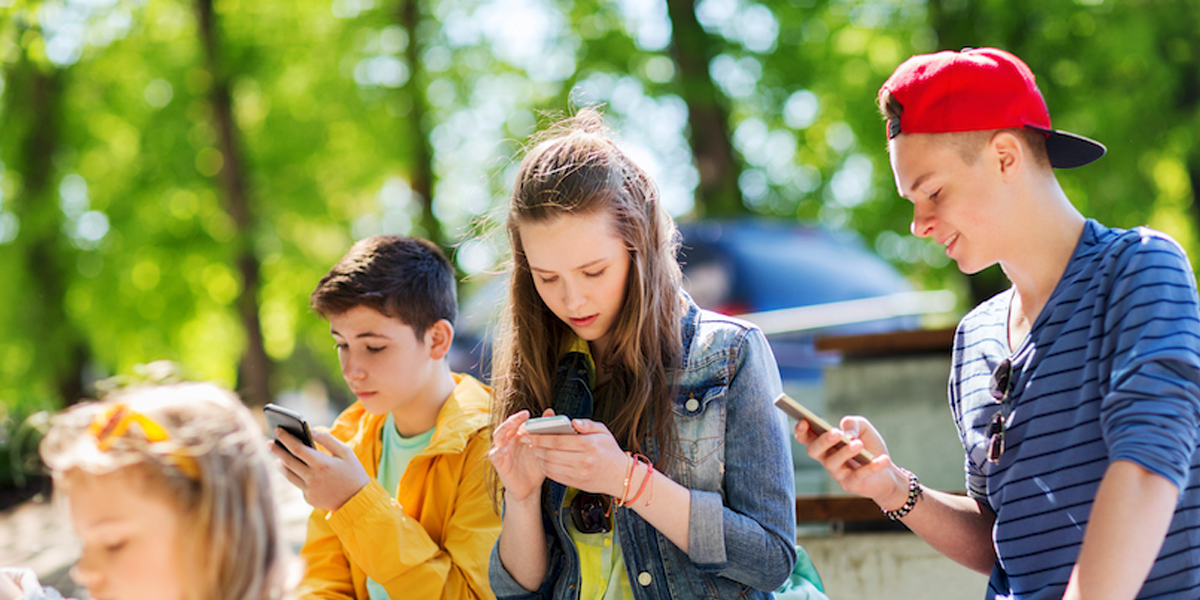
The freedom the internet gives us also comes with a great deal of responsibility. If we snap at a friend sitting next to us, we can apologize afterward. But if we write something mean online, it becomes more difficult. We can say we’re sorry and delete the post, but someone may have already shared it or taken a screenshot of it. Everything we post online remains somewhere. That’s why we have to be careful.
Task
What methods do you use? Think about the methods you use to influence those around you.
Write down the methods you use!
Critical Thinking
Every day, you’re bombarded with messages in the form of advertisements, news, and social media updates. “Buy this and you’ll be happy!” “Look at my perfect life!” “This is true! That isn’t true!” Everywhere you look, someone is expressing an opinion or making a claim.
It’s easy to get carried away by the moment and react spontaneously to everything you see. But photos can be edited and facts can be distorted. To avoid being deceived, we need to protect ourselves with a healthy dose of skepticism.
Make it a habit to ask yourself these questions:
- What is the message?
- Who says that?
- Are you trying to sell me something or influence my opinions?
- Can I double-check this?
- Are other people writing about it?
Task
What do they want?
Once you’ve logged in, you’ll find brief profiles of the local businesses and organizations that have sponsored this educational resource. They’ve paid to be featured, and we use that money to provide you with this information about nature, the environment, and the climate. Your school doesn’t have to pay anything—all thanks to these local businesses and organizations!
Now let's apply critical thinking to this concept. Why do you think companies want to be visible so that you can get the information for free?
They do that because they...
• cares about the school, me, and the environment.
• wants to market itself as a company that cares about the environment.
• wants me to remember them when I decide where to shop or work in the future.
Can you think of any other reason?
The voices that try to influence us
Sweden is governed by a government, which in turn implements the decisions of the Riksdag. And the Riksdag consists of 349 members. So, ultimately, it is this group of people who make the decisions in the country. But what led them to make those particular decisions?
Lobbying
– to try to influence someone to think in a certain way.
Swedish politicians have traditionally turned to large organizations for help when they need facts on an issue. The organization is then commissioned to conduct a study. When they report back with the results, the politicians make a decision on the issue. However, this process takes a long time. Furthermore, not all organizations are consulted. So what do organizations do if they want to have a say or want faster decisions? They try to influence politicians to share their views. This is called lobbying.
Lobbying is not illegal, but it can be used in an unethical way—especially if you try to hide who you're working for or what you're trying to achieve.
Troll Factory
– You pay someone to create fake profiles and spread false rumors.

Another way to try to influence both politicians and the general public is through so-called “troll factories.” This refers to offices where people are employed whose job is to create fake social media profiles. They then spread false rumors through these fake profiles. And someone pays them to do it.
Task
Double-check! Try to come up with three good ways to verify that the facts are correct after you've read them online.
Democracy
The word “democracy” comes from Greek and means “rule by the people.” One of the most important characteristics of democracy is the right of all citizens to vote in political elections.

Freedom of Speech
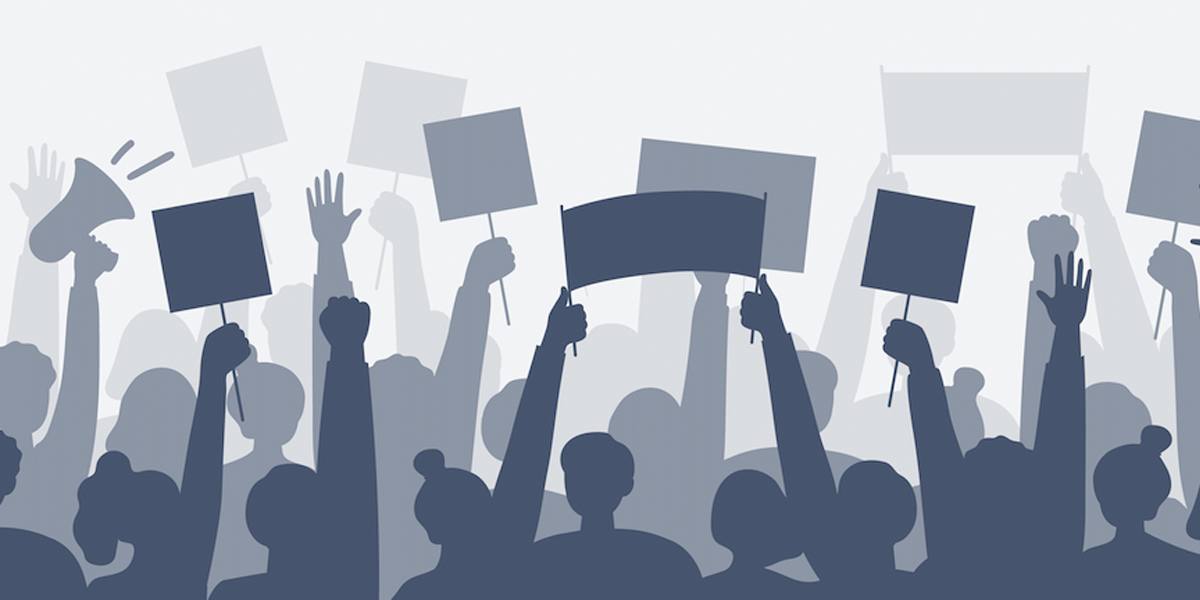
Another hallmark of democracy is freedom of speech, which means “the right to express one’s opinion.” Thanks to freedom of speech, we can demonstrate in the streets against things we disagree with, organize ourselves into groups, hold meetings, give speeches, and blog and write about various topics. What we are not allowed to do, of course, is to threaten or offend others with our message.
Task
Which method is best?
How can you change a situation?
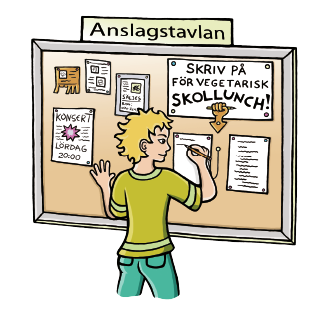
Discuss this with a classmate and write down your suggestions!
Situation
1. Better (and vegetarian) school lunches
2. Stop climate change:
Is it possible to feel climate anxiety?
We are affected by everything that happens around us—and the closer it happens, the more we are affected. If our neighborhood is hit by a wave of break-ins, we become worried and feel unsafe. But how do we react to major global issues such as climate change?
When something feels too big or too difficult, we feel helpless. It’s not a pleasant feeling, so we “shut down” and avoid thinking about it. It’s kind of like facing a test you haven’t studied enough for. It might work for the moment, but what we’re afraid of is still there, gnawing away at us. Some people get really anxious.
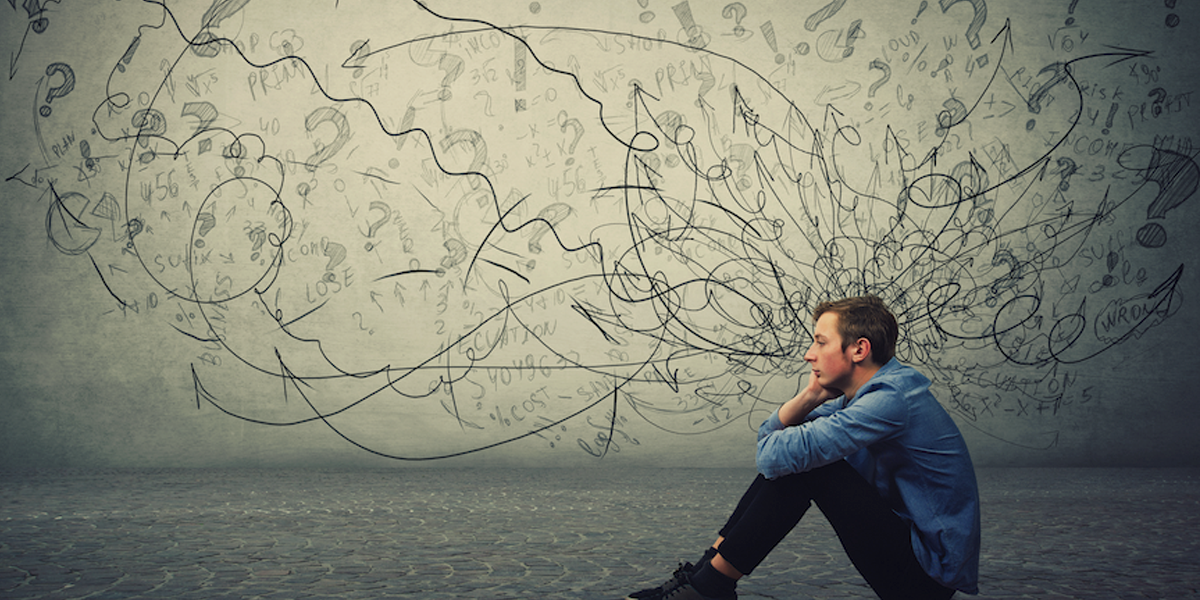
Intense fear of the future climate is called climate anxiety and can affect both children and adults. Anxiety is the body’s way of signaling that something is not right. It can feel like worry, restlessness, or unease; you might get a stomachache or a headache, and it can be hard to focus or fall asleep at night. However, it’s never dangerous, and the anxiety goes away when we start talking about our feelings.
From Worry to Action!
1. Accept the feeling
It’s natural to be afraid of things you can’t control. If you’re afraid of climate change, it just means your inner alarm system is working.
Your feelings are perfectly normal.
2. Get inspired by others
Google people who seem to have sensible ideas,
3. Take Action!
Everyone can try to live as eco-friendly as possible, but to bring about truly significant change, many people need to get involved. Are there protests or other activities happening where you live? If not, maybe you could start something together with your friends?

What does democracy have to do with the environment?
Before the machines roll into the rainforest to cut down trees, someone has given the order to do so. And before that, someone has made the decision to clear-cut the valuable forest. If there is a group of people trying to stop the machines, they are powerless without freedom of speech.
At best, they are ignored; at worst, they are imprisoned for protesting. Just because a country is democratic doesn't necessarily mean that all problems are easy to solve, but at least people have the opportunity—and the right—to protest.
What would you protest against...
...if you lived in Borneo?
Maybe you’d want to stop the deforestation of the rainforest.
When the rainforest disappears, many animals and people lose their homes. Plants become extinct, and the Earth’s climate is negatively affected.
If that’s true, then why are the trees being cut down?
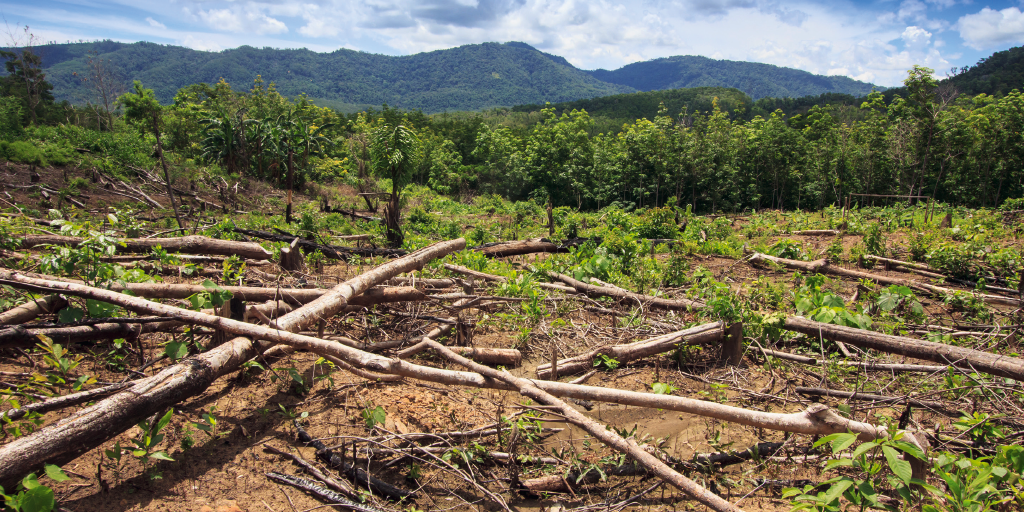
It’s because people want to grow palm trees to produce palm oil, which is a cheap ingredient in products such as butter, candy, makeup, shampoo, and potato chips. In other words, someone wants to make money off the forest.
...if you lived in Thailand?
Then maybe you'd want to protect the mangrove forests.
In Thailand, the beaches are lined with a stunning mangrove forest.
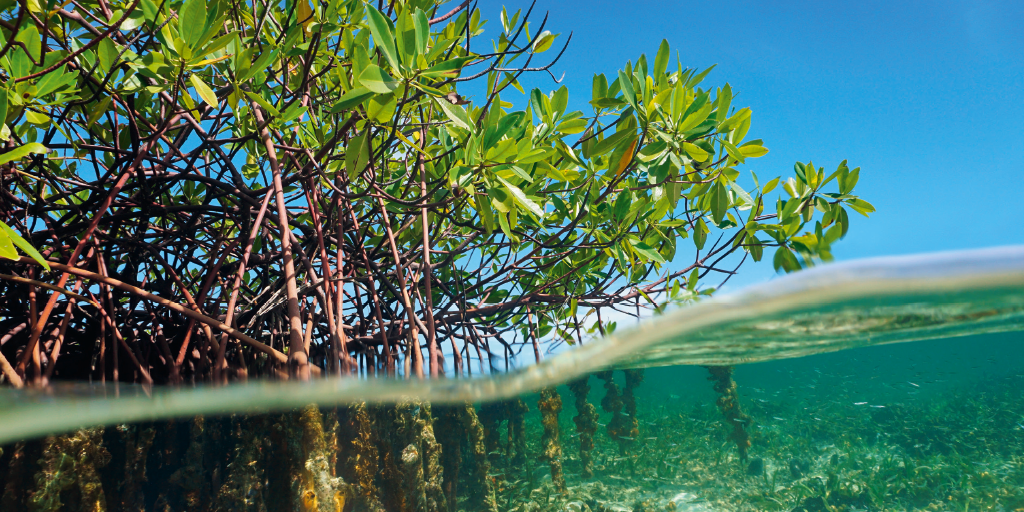
The trees' roots protect the fish, filter out debris, and prevent the waves from washing the soil out into the ocean. Without the mangrove forest, there is no protection against tsunamis. So why are the trees being cut down? To farm giant shrimp for export to other countries, such as Sweden.
UN – United Nations
The UN, or United Nations, is an organization made up of countries that want to work toward world peace and ensure that all people can lead good lives.
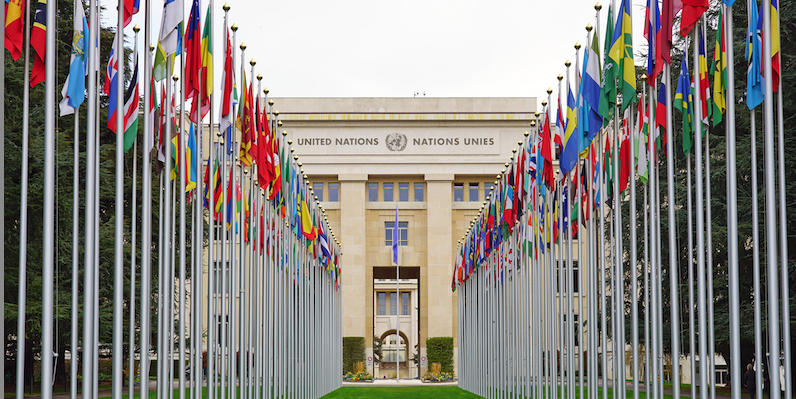
The UN brings member states together for meetings where they try to find solutions to major global problems. The UN works primarily to promote world peace, but also to ensure that all people can lead good lives.
Human rights are a frequent topic of discussion at the UN. This refers to every person’s right to a good life. Here are a few examples:
• “All human beings are born equal.”
• “Everyone has the right to life, security, and freedom.”
• “Slavery is prohibited.”
• “No one shall be subjected to torture.”
• “Everyone has the right to their own religion.”
The Global Goals
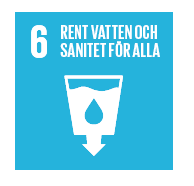
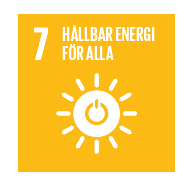
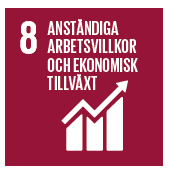
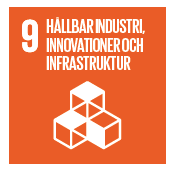
In fact, world leaders took a major step toward a better world in 2015. They drew up a list of 17 goals for a better world. All countries will now work together to achieve the Global Goals by 2030. Read more at www.globalamalen.se
Learn more atwww.globalamalen.se