SCHOOL AND THE ENVIRONMENT
Not all children go to school. If you had to work instead of going to school, what do you think you would do?

Sweden has been poor
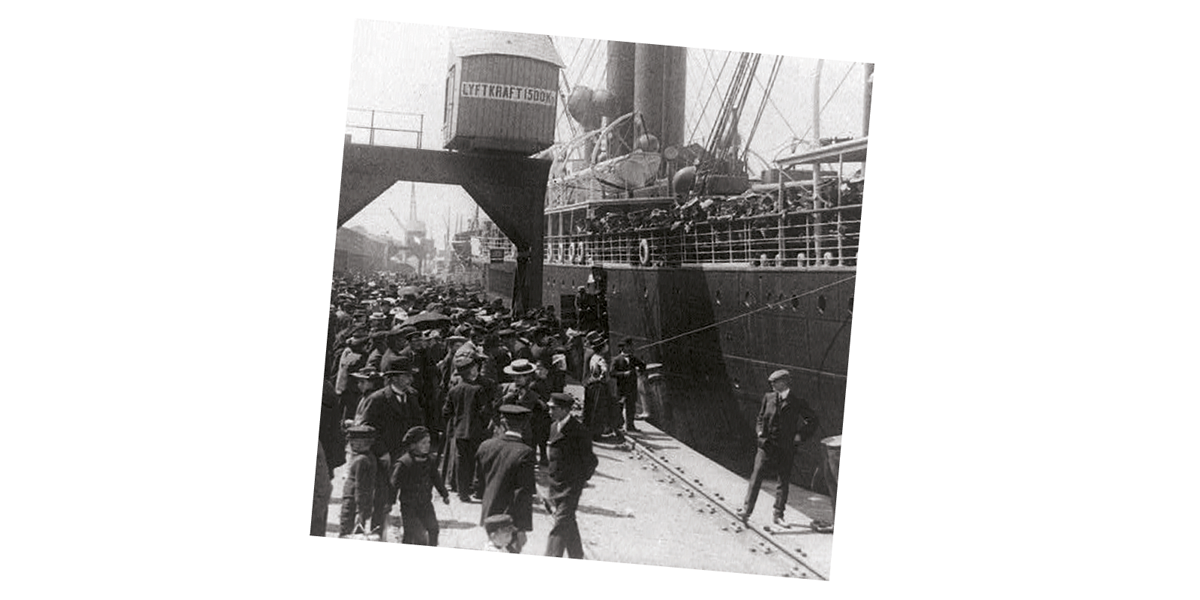
På 1800-talet ökade den svenska befolkningen samtidigt som åkrarna drabbades av missväxt. Man hade otur med skördarna flera år i rad. Till slut räckte maten inte till och många fick gå hungriga. I norra Sverige svalt tusentals människor ihjäl. Svårigheten att få tag på mat och arbete fick många svenskar att emigrera. De allra flesta tog båten till Amerika.
98 million girls do not complete their schooling
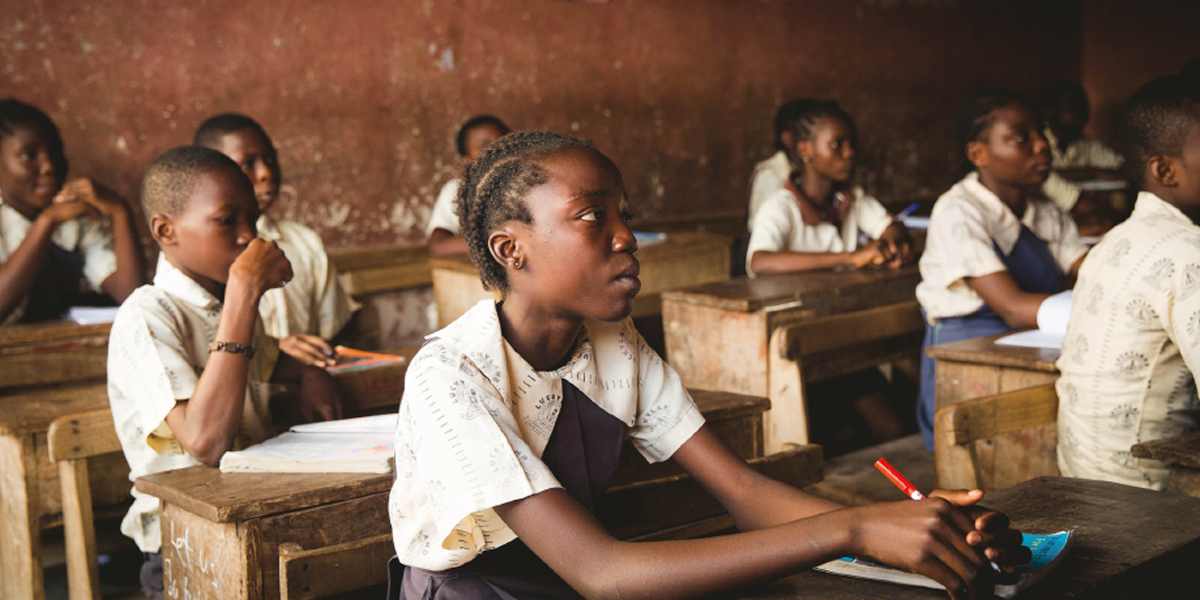
In many countries, education is expensive. Families who cannot afford to send all their children to school often prioritize their sons. Daughters are left at home to help with household chores. Many girls are also married off at a very young age.
What does education have to do with the environment?
School teaches us more than just reading, writing, and arithmetic. You’re a good example of that. Right now, you’re sitting in school, reading a textbook about the environment. The idea is for you to learn to make more environmentally friendly choices in the future. The same goes for schoolchildren in Kenya.
The lessons may be more tailored to their reality—today, for example, they might be learning which crops can be grown in soil affected by drought—but the principle remains the same. We all need to learn how to take care of nature. Climate change is a sign that we haven’t actually been doing things right so far.
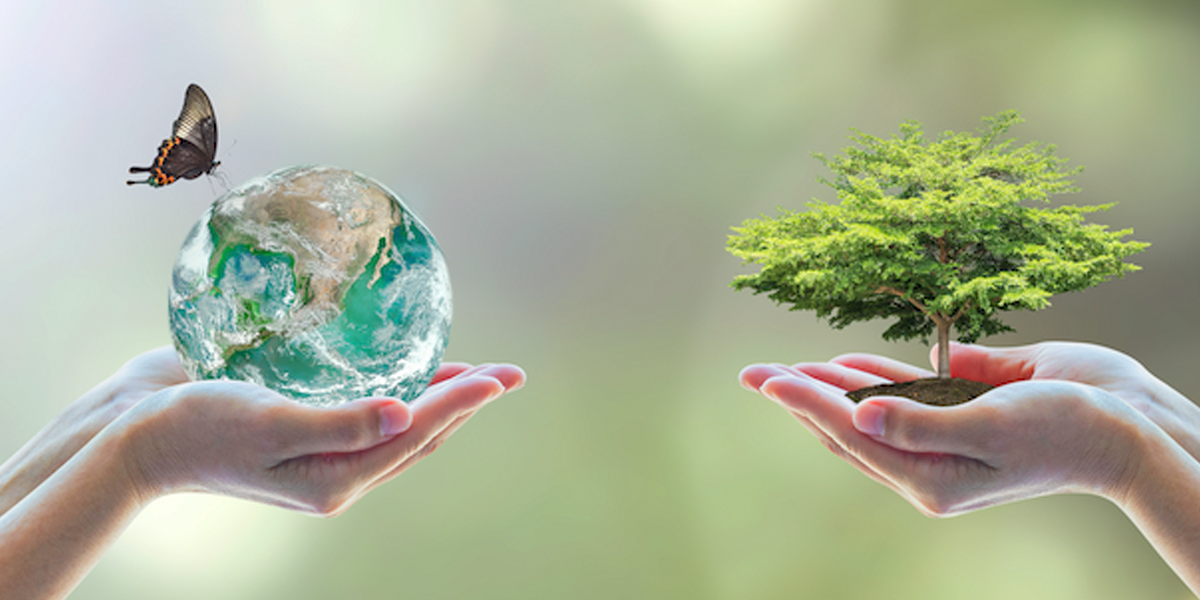
Education is the key to development. It combats poverty and spreads knowledge about how to care for nature.
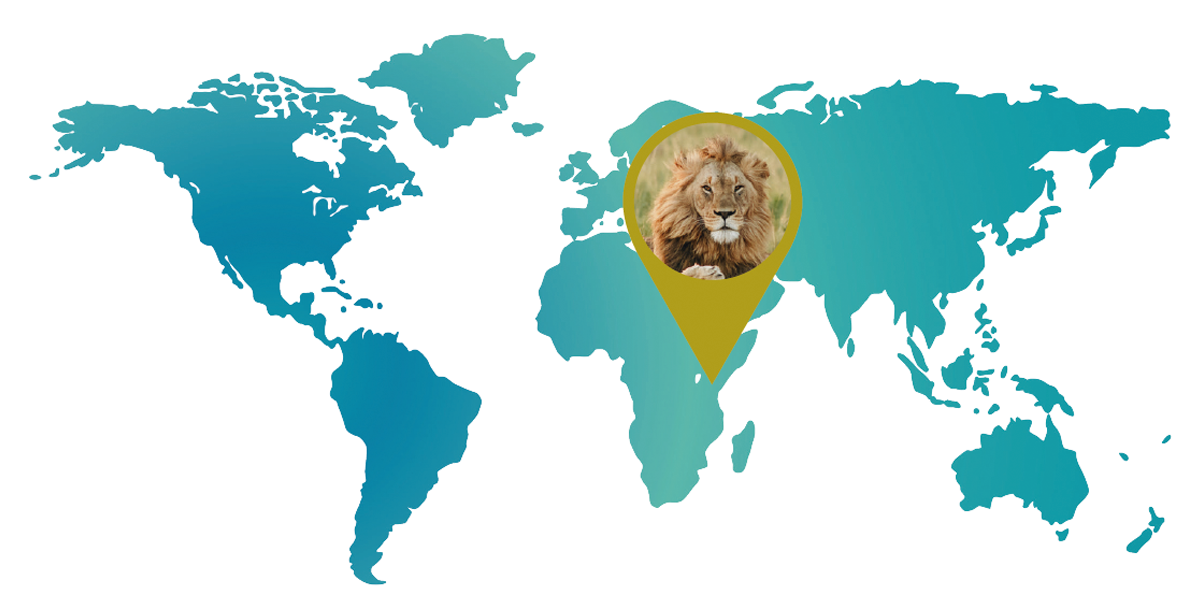
Education Project in Kenya
Tegla Natao is from the Pokot region in Kenya, an area that has been hit by a severe drought. The international aid organization ActionAid is on the ground, in part to try to get the country’s politicians to help the population get back on its feet, but also to run a number of educational projects. One of these is Girls Forum, a discussion club where girls can learn more about their rights. Ultimately, this leads to more girls staying in school.
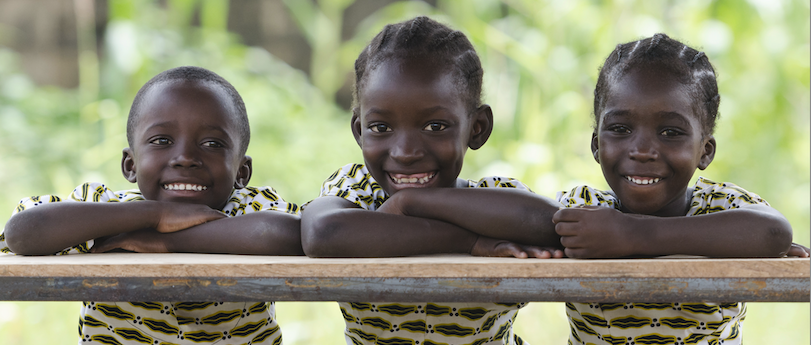
One reason these educational projects are needed is that, unfortunately, many girls are harassed so much at school that they eventually drop out. Violence in schools affects all girls, regardless of age, background, or how wealthy their parents are.
Girls and Education
It has been shown that when more girls in poor countries attend school, many people are better off. Families enjoy better health, fewer children die from malnutrition or sudden infant death syndrome, fewer people contract HIV/AIDS, and fewer girls become pregnant at a young age.
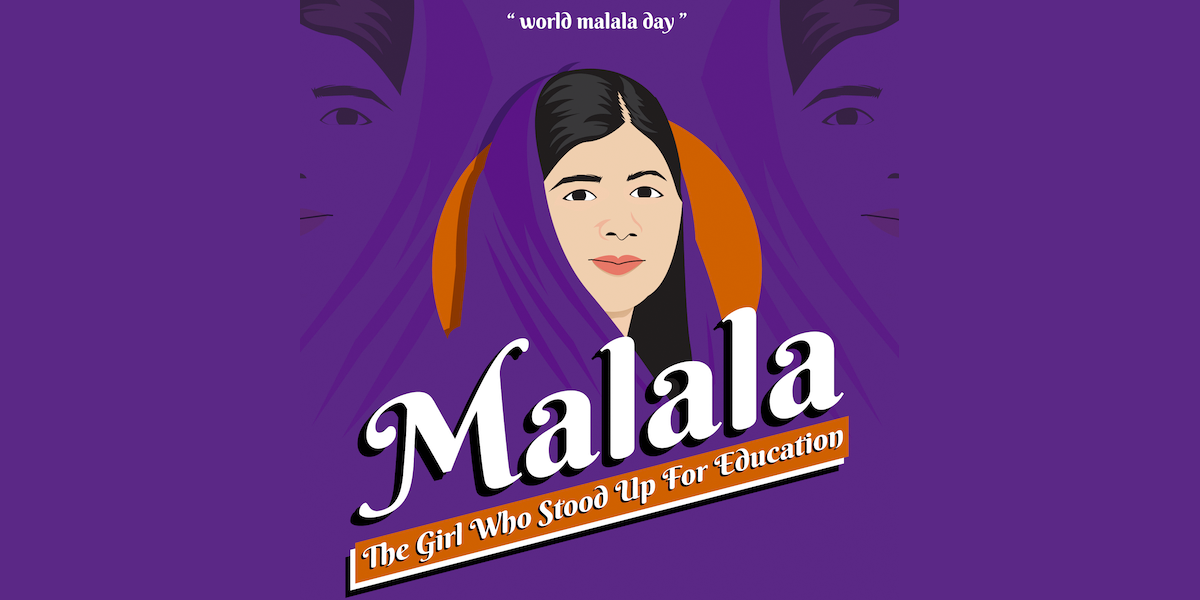
Have you heard of Malala?
Malala Yousafzai was born on July 12, 1997, in northern Pakistan. Her father was a poet and ran an elementary school. It was a dangerous job, because he provided an education for both boys and girls. The Taliban had begun to gain strength in the area, and they were strongly opposed to girls attending school.
Millions of children are not taught to read
The situation in Malala’s hometown of Mingora is not unique. Even today, more than 100 million children are forced to work instead of going to school. When Malala realized what was going on, she wanted to try to do something about it. She began blogging about her thoughts on education and the difficult life under Taliban rule. The blog was soon discovered by the major British news site BBC, which posted it on its website.
The identity of the brave 12-year-old blogger, however, was kept secret. Malala and her father had already received many death threats. When the Taliban finally took over the city of Mingora, they banned watching TV and listening to music. Women were not allowed to go shopping alone, and girls were not allowed to attend school.
Shortly thereafter, Malala appeared in a documentary that quickly spread around the world. Soon, everyone knew that she was the one blogging for the BBC. Pakistan established a peace prize for young people and awarded Malala the very first prize. That was the last straw for the Taliban leaders.
They gathered for an emergency meeting and, after a vote, decided that Malala should be killed.
Shot on the school bus
On October 9, 2012, a masked man boarded Malala’s school bus, called out her name, and shot her in the head. The bullet passed through her head, neck, and shoulder. Miraculously, Malala survived the attack. However, her condition was serious, and she was flown to Birmingham, in the United Kingdom, for specialized care.
In early January 2013, she was discharged from the hospital, fully recovered. The fact that a little girl could frighten the Taliban to such an extent inspired admiration.
The attempted assassination of Malala was condemned by the international community, and Muslim leaders in Pakistan rebuked the Taliban, saying: “There is nothing in Islam that justifies shooting a schoolgirl.”
Youngest recipient of the Nobel Peace Prize
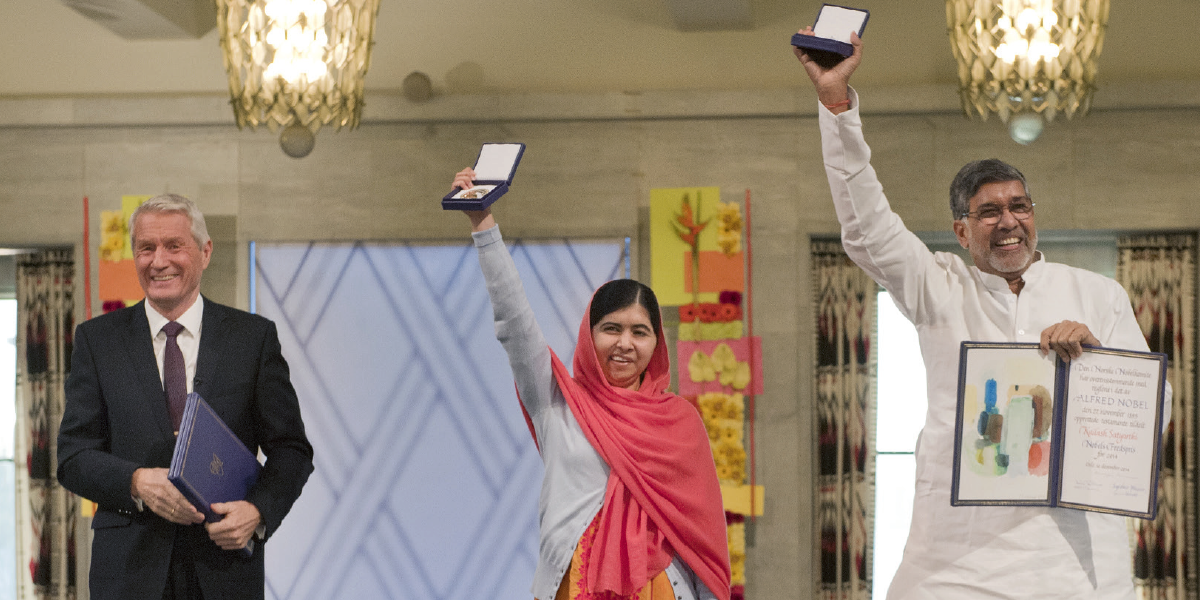
In November 2014, Malala was awarded the Nobel Peace Prize for her work. At 17, she was the youngest recipient of the Peace Prize ever. The Peace Prize was shared between Malala and the Indian children’s rights activist Kailash Satyarthi. Today, Malala is studying at the University of Oxford. She also travels around the world to help girls who have experienced similar situations. Together, they are fighting to make girls’ voices heard.
Learn more about Malala on the website: www.malala.org
Assignments
How would you get by? What if you had never been able to go to school? What would your daily life be like if you couldn't read, write, or do math?
- Work in pairs or in groups. Your teacher may divide you into groups.
- Role-play the situations below.
- Then describe how you acted when you were the one who couldn't read or write.
- Take turns being the one who can't read or do math.
- Don't plan how you're going to act—just improvise!
At the newsstand

You've been given money in the form of a bill.You want to buy a piece of fruit and a drink, but you don't know what denomination the bill is or how much the fruit and drink cost. What do you do?
On the trip

Your mom is sick, so you have to pick up your little sister from preschool. You have to change buses three times to get there. You know the name of the preschool, but you don't know how to spell it or which buses to take. This is the first bus. What do you do?
Then describe how you acted when you were the one who couldn't read or write.
What kind of work would you like to do?
Would you like to work in a field related to nature or the environment? If so, there are many careers to choose from. As a journalist, you can write about environmental projects; as a politician, you can advocate for the protection of nature; and as a farmer, you can practice organic farming. Here are a few examples of careers in the environmental field.
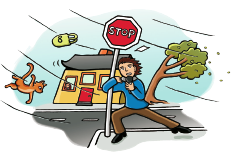
Meteorologist
Meteorologists collect information about temperatures, winds, clouds, and rain—using satellites in space. They calculate what the weather will be like in the coming days and then present the weather forecast on the radio and on TV. Some meteorologists also study how the climate changes over longer periods.
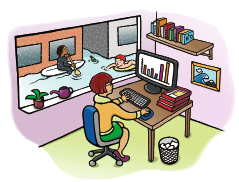
Geoscientist
Geoscientists map and manage natural resources in rocks, soil, and groundwater. They also conduct surveys in preparation for road and building construction. Geoscientists warn us about earthquakes, volcanoes, and floods.
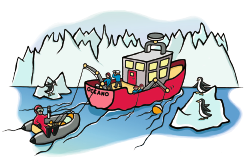
Oceanographer
Oceanographers study the ocean and take part in ship-based expeditions. They study currents, waves, how ice spreads, and the salinity of the water. They investigate how the oceans are affected by the seasons and by pollution from factories, new construction, and wastewater. Oceanographers also conduct research on climate change.
Engineer
There are many different types of engineers, but most of them work in some form of technical development. Often, this involves solving various kinds of problems, such as products that don’t work as they should or that need to be more efficient or more environmentally friendly. An engineer may also lead construction projects, come up with new inventions, or create new ways to communicate.
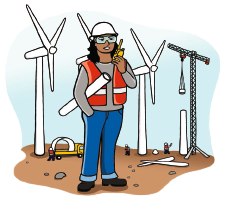
Green Thinking in Various Professions
You don't have to be a scientist to do something good for the environment. Just as we can all do our part for the environment by taking public transportation, buying organic fruit, and eating more vegetarian meals, you can make good environmental choices in most professions.
As a journalist...
...you’ll be the eyes and ears of others. You can interview climate scientists about the weather of the future, expose companies that dump hazardous waste into the environment, and inspire others by writing about successful environmental projects around the world.

As a politician...
...you have a say in important issues. In the Riksdag, where politicians gather to vote, you can vote in favor of projects that are good for the environment. You can also influence others and spread awareness by talking about environmental issues on TV, the radio, and in newspapers.
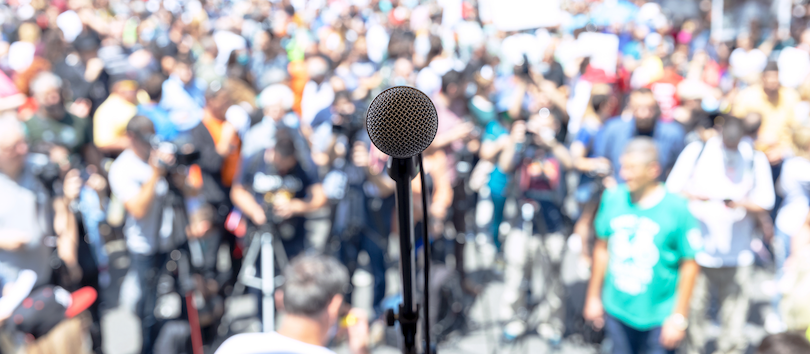
As a teacher...
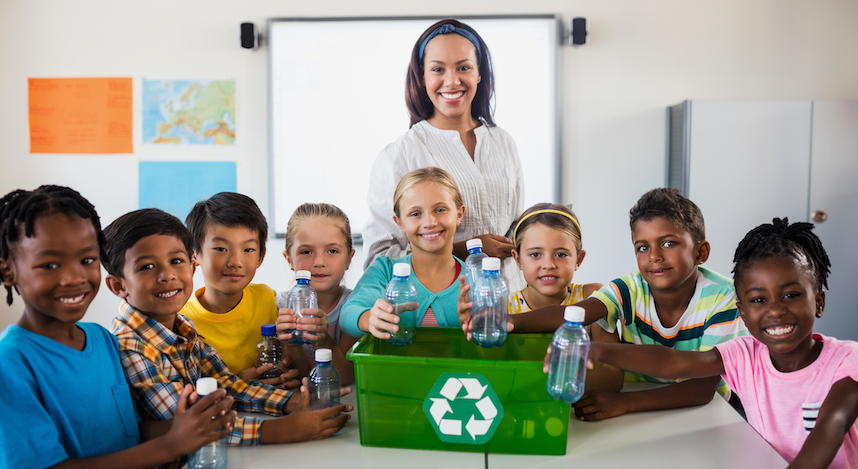
...you’re helping to shape the future. You help students understand how nature works and why the climate is changing. You can have your students work on environmental issues at school, so they’ll be inspired to make good environmental choices at home, too.
Task
Among the letters! The words are hidden both horizontally and vertically. Note: One word is hidden diagonally!
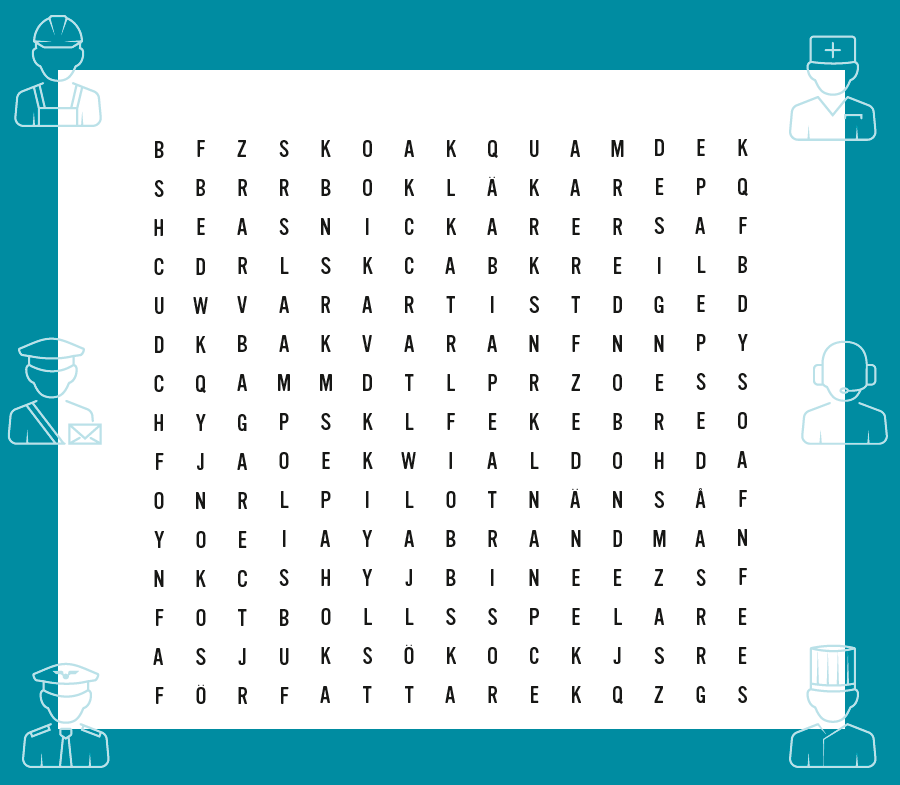
Find 13 careers—write them down!
Quiz
Choose the correct answer!