OUR ECOLOGICAL FOOTPRINTS
The Traces We Leave Behind
During the Stone Age, humans survived on what nature had to offer. They made spears out of wood and spearheads out of flint. They fished and gathered plants and berries. They hunted animals for food and used the fur to make clothing. A Stone Age person left very few traces behind—a skeleton, some cave paintings, and a few hunting weapons.
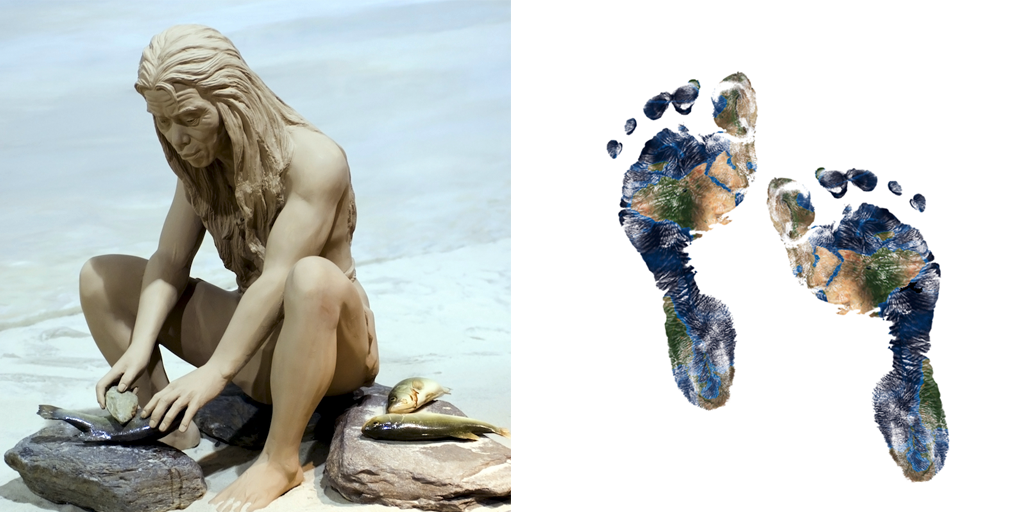
People today consume far more than they need. And the more we consume, the faster we deplete nature’s raw materials. This increased consumption causes us to quickly grow tired of our purchases. We throw perfectly functional items in the trash, and sooner or later, all that trash ends up in nature.
The traces left by modern humans: logged forests, poisoned lakes, and air pollution. These traces are called our “ecological footprints.”

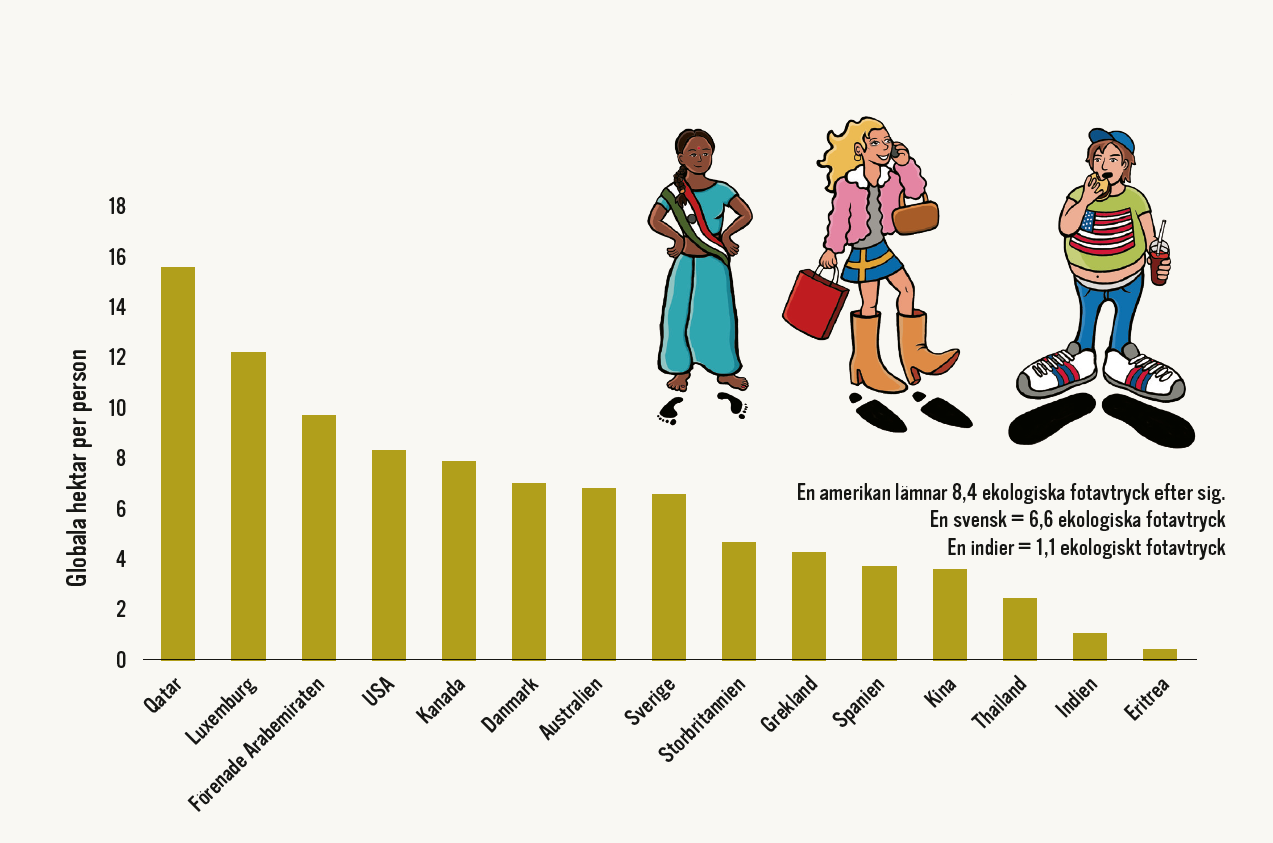
Ecological Footprints per Person and by Country
People in rich countries consume more. That is why rich countries have larger ecological footprints than poor countries.
The table below shows the difference in the ecological footprints of various countries.
When you look at our consumption this way, it becomes clear how unfairly nature’s resources are distributed.
What makes up our carbon footprint?
Everything we consume originally comes from nature. First, we extract a raw material, such as oil. We turn the oil into plastic in factories. We use the plastic to make things, ranging from cans and headphones to hair clips. After a while, most of these items end up in the trash.
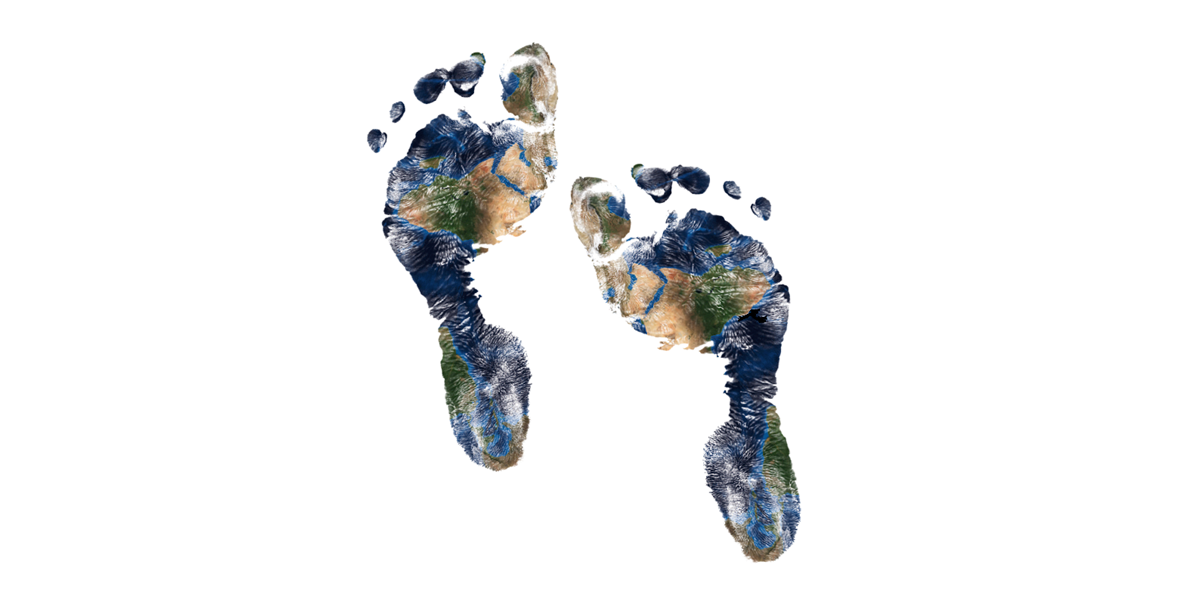
The ecological footprint is a way to measure how much our lifestyle impacts the environment.
Let’s take a cell phone as an example. If you have a cell phone, you’ll have a smaller environmental impact if you:
• Use it as long as it works.
• Sell or give away the old one when you buy or receive a new one.
• Take it to an electronics waste collection point when it breaks.
You don't think about what you don't see
Much of what we consume harms nature. So why do we continue to buy these products? Probably because we don’t see the negative impact. We don’t see the rainforests being cut down or the coral reefs dying. Hearing about something but never seeing it with our own eyes makes it feel almost unreal.


Tip!
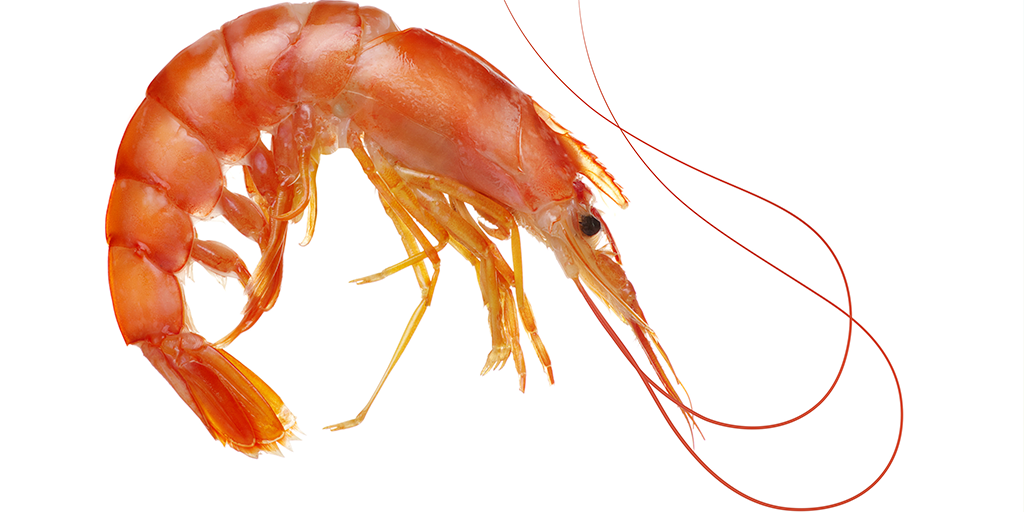
Choose Swedish apples and other fruits. Buy KRAV or Fairtrade bananas. Buy regular shrimp instead of jumbo shrimp. Buy locally produced goods.
Ecological Footprints
Everything we humans produce, use, and throw away affects the environment. The extent of that impact is measured by our ecological footprint. The larger the footprint, the greater the impact. But we’re also making a conscious effort to protect the environment. For example, we’ve managed to almost repair the ozone hole! This positive impact can also be measured, and it’s expressed as an ecological handprint.

Task
Make new words. Use the letters in the word to make new words without rearranging the letters!
H A N D P R I N T
How many new words did you come up with?
Clothes also absorb water
It takes thousands of liters of water to produce a T-shirt. That's because T-shirts are usually made of cotton, which is, of course, a plant.
Just like any other crop, the cotton plant needs a lot of water to grow. And it takes a lot of cotton plants to weave a piece of fabric. Therefore, it takes about 7,000 liters of water to produce a single T-shirt.
Climate-smart = fashion-smart
Think of your clothes and textiles as a resource, not as trash.
In other words: try to repair it, sell it, or give it away— or dispose of it as trash.
Textile factories use chemicals to dye fabric. These chemicals are often discharged directly into the environment. The water around many textile factories is so polluted that it cannot even be used to irrigate the cotton fields themselves.
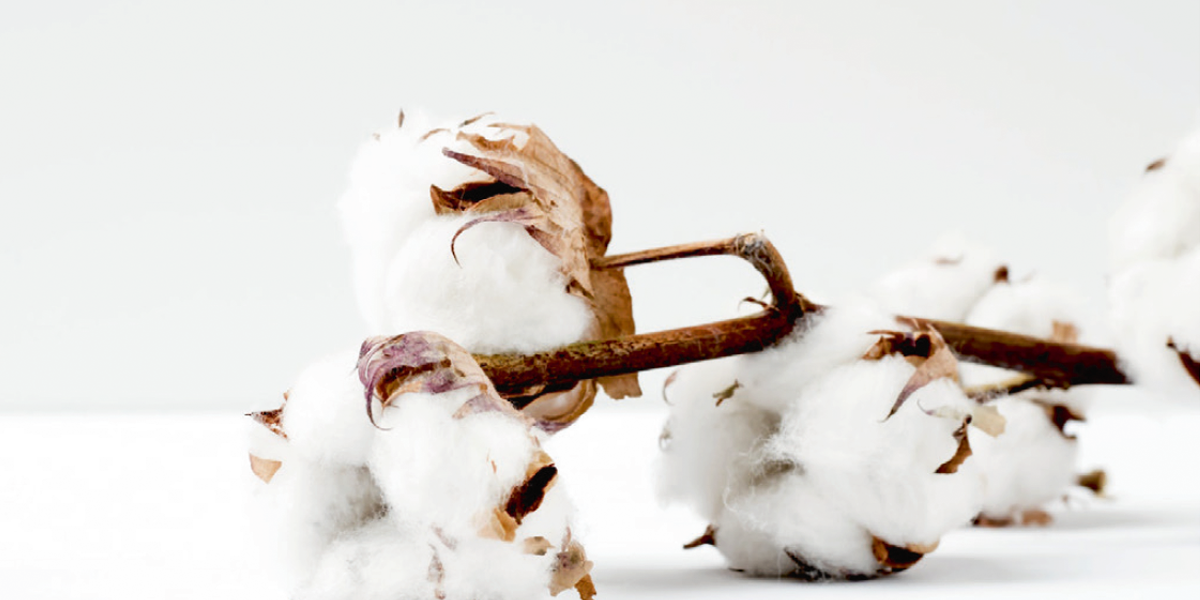
Organic Cotton on the Rise
Organic cotton has a lower environmental impact because it is grown without pesticides and the fabric is treated with eco-friendly dyes that contain no chemicals.
Organic cotton currently accounts for just under one percent of all cotton fabric produced. But more and more stores are selling clothing made from organic cotton, and many fashion companies have launched organic clothing lines. We, as consumers, can help by choosing organic clothing more often!
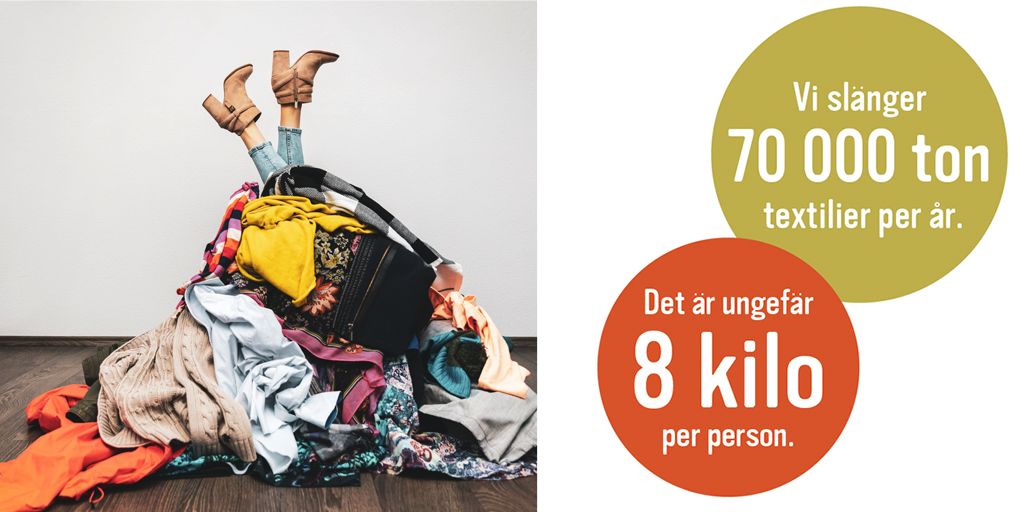
Tip!
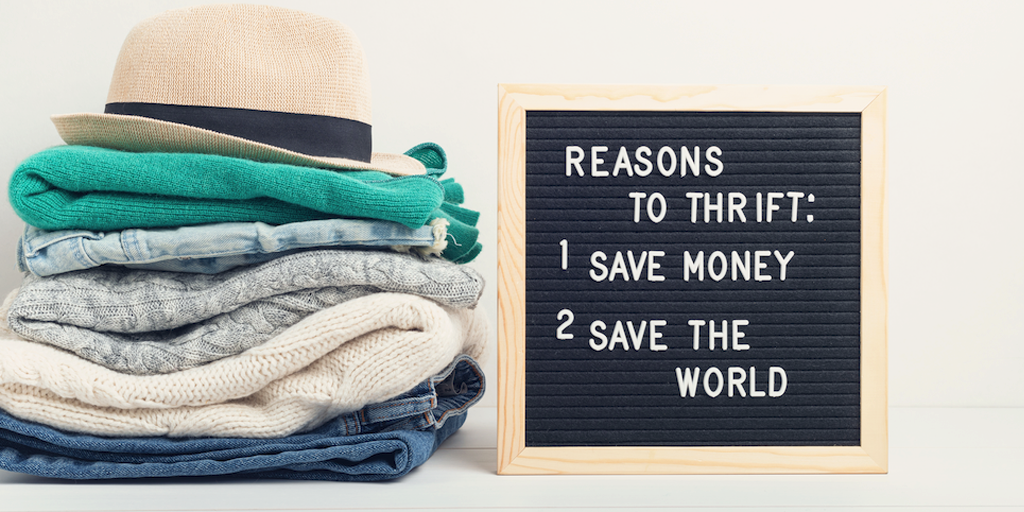
Here are a few tips on how to make your wardrobe as eco-friendly as possible!
• Buy fewer, higher-quality items that last longer.
• Shop for clothes at thrift stores.
• Swap clothes with friends.
• Donate clothes you’ve outgrown to clothing drives.
• Drop off your clothes at a clothing store that offers a donation service. They’ll ensure the items are donated to thrift stores or processed into fibers that are then turned into new clothes.
Give your old clothes a new lease on life!
1. Donate clothes in good condition to clothing drives or thrift stores.
2. Ask if you can drop off clothes and textiles at any of the stores where you shop.
3. Organize a “clothing swap” with friends who are the same size. That way, everyone gets new clothes—for free!
She saved her family from a cyclone
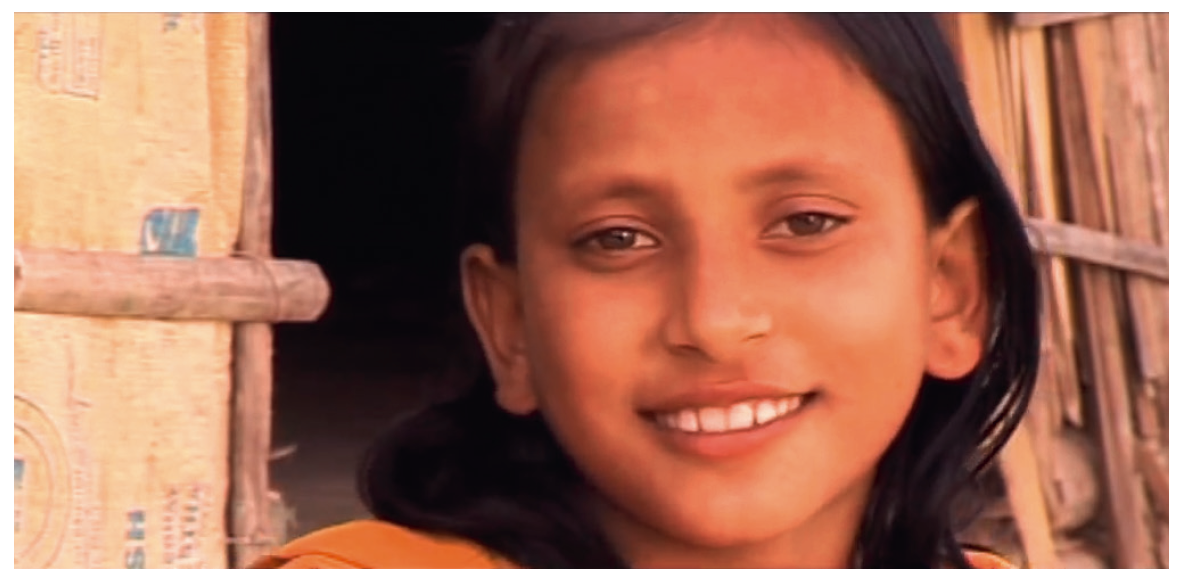
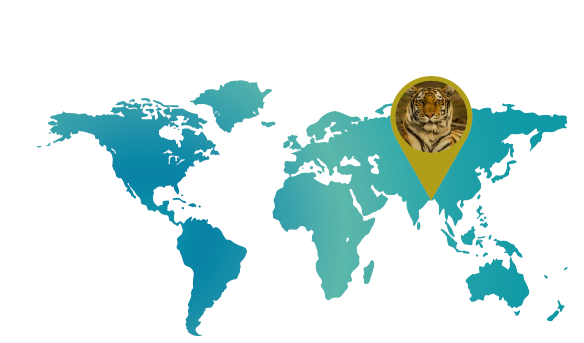
Lamia is ten years old. She lives in Bangladesh, on an island called Char Bangla. Most of the village’s 2,500 residents are fishermen; only a few are farmers. It is a very poor island that has neither roads nor hospitals.
There are no protective embankments around the island, so there is nothing to protect it from floods and cyclones. This makes the island very vulnerable and leaves the villagers exposed to the elements.
Education Saved Laima's Family
When the aid organization ActionAid visited the village, they asked the residents what kind of help they needed. The villagers replied that they wanted protection from the storms, so ActionAid built a shelter. However, the shelter is of no use if the villagers don’t know when or why they should rush there. That’s why ActionAid launched an information campaign with the help of the village school.
All the students were taught what to do if a cyclone approaches. Lamia was one of the students who took that course. When the massive Cyclone Sidr approached Lamia’s village, she knew exactly what they should do.
She hurried home and told her parents that they had to hurry to the bomb shelter. Her parents, who didn’t realize how serious the situation was, didn’t want to go out into the rain at first. Lamia, thinking of her little sister who couldn’t swim yet, started to cry. That made her parents listen. All four of them hurried off to the bomb shelter.
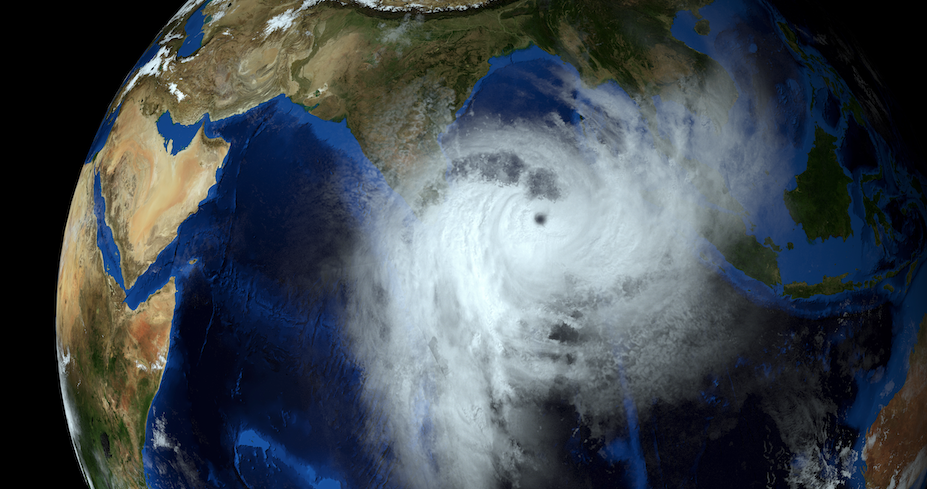
When the cyclone had finally blown past, Lamia and her family returned home—only to discover that there was no home left. Everything had been washed away: the house, everything they owned, all their livestock, and all the trees around the house. The heavy rain had even washed away the house’s foundation.
“We survived because school had taught me what to do. Next time, we’ll take our livestock to the shelter too,” says Lamia.
Operation Dagsverke
What can you and your class do?
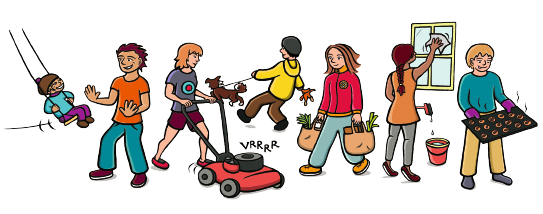
Operation Dagsverke is a fundraising campaign that has been running in Sweden since the 1960s. Every year, around 60,000 students take a day off from school to raise money for school projects around the world. As part of Operation Dagsverke, students do various odd jobs, and the money they raise goes to a specific school project in another country.
Small Jobs for Charity
The money raised in 2019 went to children with disabilities in the Philippines, to support projects that help these children protect themselves during disasters. It always feels good to be able to help others. Operation Dagsverke raises awareness of how other children live around the world.
You can register your class here:
What would you choose to do during Operation Dagsverke?
- Paint the fence!
- Mow the lawns!
- Wash the windows!
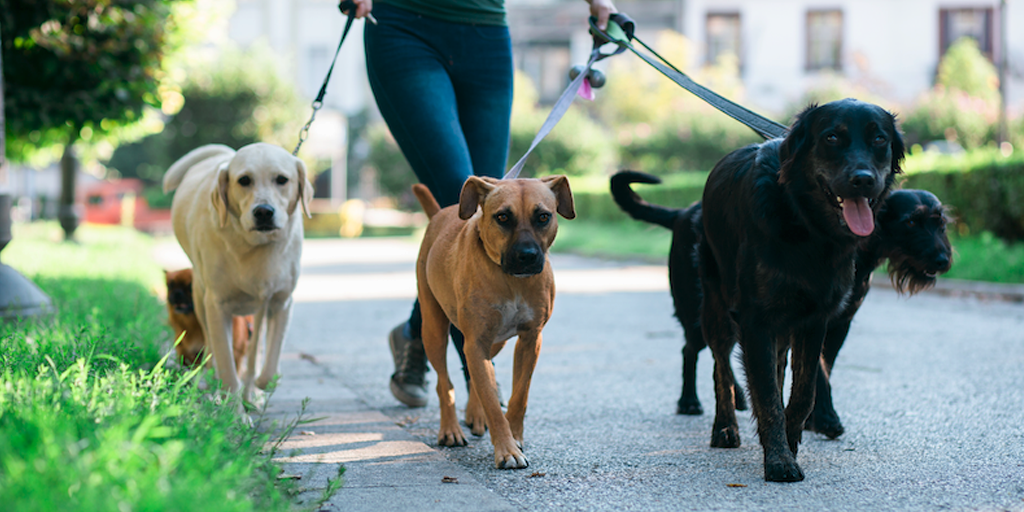
- Take the dogs for a walk!
- Pick up your order in-store!
- Sell flowers!
- Rattle that collection box!
- Help younger students with their homework!
Task
If you were to start a fundraiser.
When you help someone, you’re also giving yourself a gift. Doing a good deed makes you feel good and proud of yourself.
• You inspire yourself and others to think positively.
• You learn to see solutions instead of problems.
• You experience a sense of community with others participating in the project.
1. Who or what would you raise money for?
Here are a few examples:
• People in a poor country.
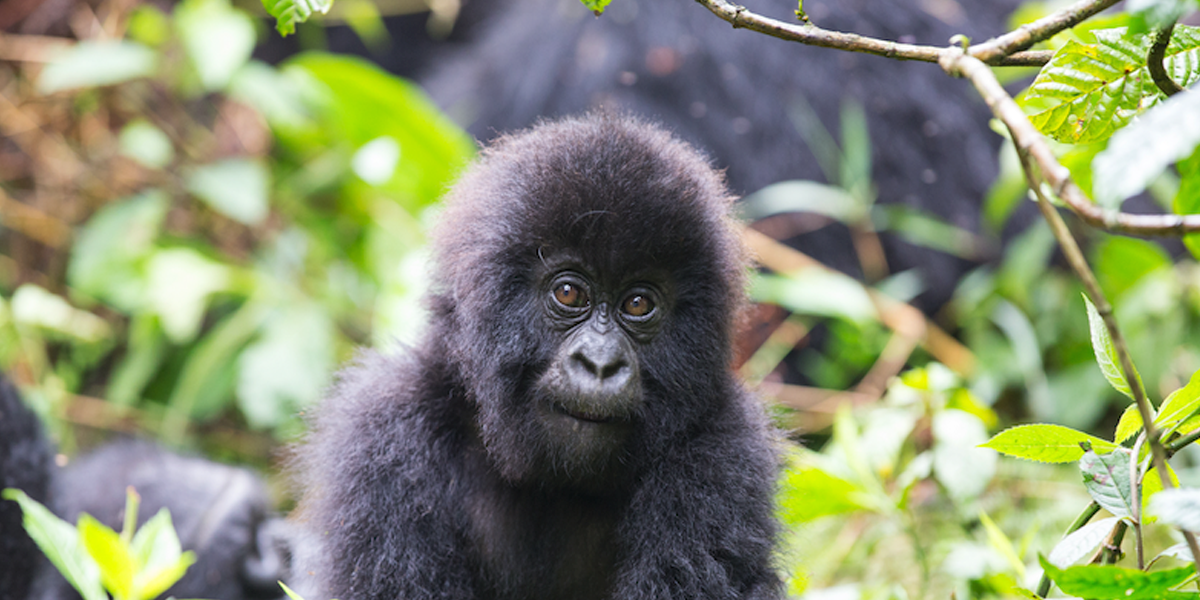
• Endangered animals.
• Children facing hardship.
• Animals affected by climate change.
2. How could your class raise money?
• A big yard sale in the schoolyard.
• A soccer game between your class and another class—for which you charge an admission fee.
• You spend a Saturday shoveling snow, raking leaves, or doing something similar.
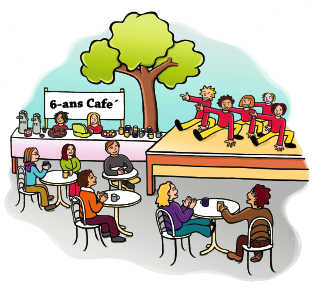
• A fundraising festival with performances and an outdoor café.
Assignments
Fashion show or “old becomes new.” Choose one of the assignments below. The class will work in groups; ask your teacher to divide you into groups.
Fashion Show
In “Fashion Show Challenge,” you’ll organize a fashion show featuring secondhand clothing.

1. Collect clothes from classmates, teachers, family members, and parents.
If you feel like something is missing, look for bargains at thrift stores.
2. Plan a theme—for example, Hippie, Dance, City, or Masquerade.
3. Divide the clothes so that each model gets one set of clothes.
4. Customize and mix and match your clothes however you like.
Sew a fabric flower onto a shirt, cut a pair of pants into shorts, or decorate a handbag with beads from a necklace.
5. Choose the music and decide the order in which you'll walk the runway!
Old Becomes New
In “Old Becomes New,” you’ll repurpose old items and take “before and after” photos. Ask your parents for help—there are usually lots of things in attics and basements.

1. Find old items to repurpose.
For example, in the attic or at flea markets.
2. Take a photo of the object.
3. Come up with a new design—and why not a new function?
4. Fix up and spruce up the item.
5. Take a photo of the redesigned object.
6. Print out the photos.
Create a “before-and-after” poster.
7. Display all the redesigned objects in the classroom and hang up the “before-and-after” posters.