READY FOR A FRESH START? LET'S MAKE OUR FAMILY CLIMATE-SMART!
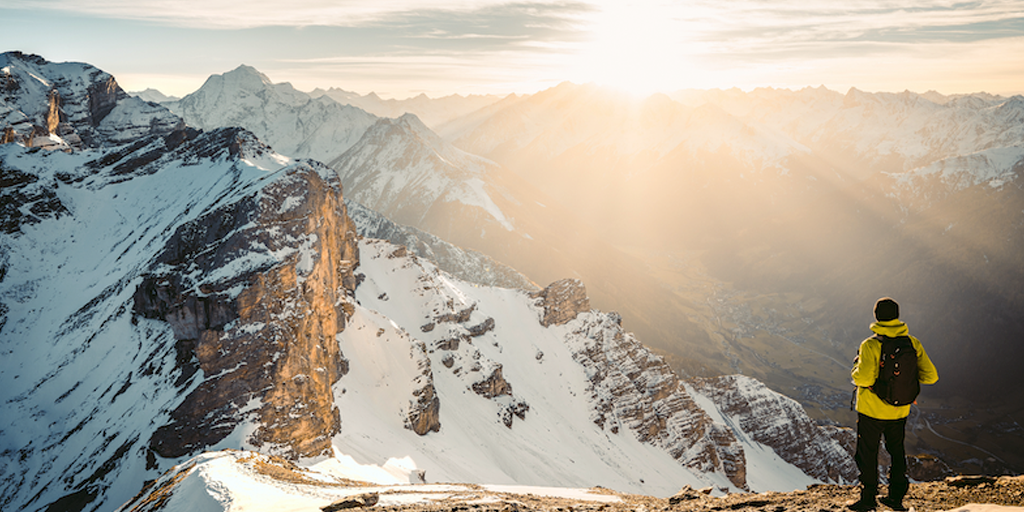
Let’s start with the best thing we have—nature. Even though it’s all around us, we don’t always think about it. That’s because we don’t spend much time in it. When was the last time you found yourself deep in a forest? When did you last stroll through a flower-filled meadow, wade in the ocean, or climb a mountain?
We don’t seem to be getting anywhere; we end up stuck indoors with our phones and tablets. Before we know it, we’ve spent an entire day scrolling through social media. The brief thrills we get fade quickly.
A long walk on the beach, on the other hand, is an experience that stays with you for a long time.
Nature has its own rules
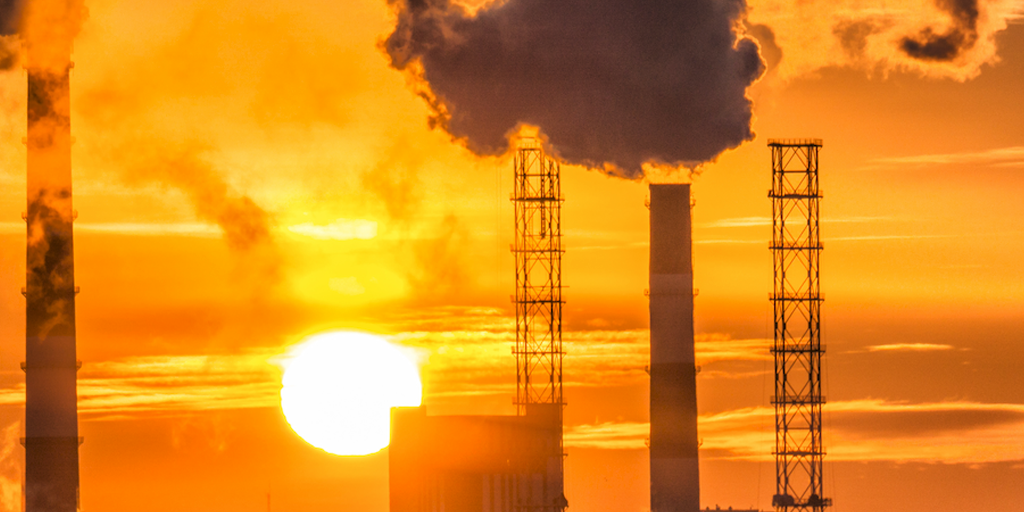
In the past, we thought that if we just built really tall chimneys, the dangerous smoke from the factories wouldn't harm us. We thought that the air high up would dilute the smoke until it became harmless.
We also thought that what we burned would simply vanish into thin air. Today we know that’s not how it works. We know that what we burn is carried further by the smoke and ash.
When you eat a sandwich, it may seem like it just disappears. With every bite, it gets smaller and smaller, and eventually the whole sandwich ends up in your stomach. There, it breaks down into smaller pieces and provides nourishment for your body. What’s left after all the nutrients have been absorbed comes out when you go to the bathroom. And when you flush the toilet, it travels to a wastewater treatment plant where the water is purified and all the impurities are collected before the water is released into a lake or the ocean.
Nothing we create ever disappears. And everything we do has consequences—good or bad. Some of the things we do harm nature.
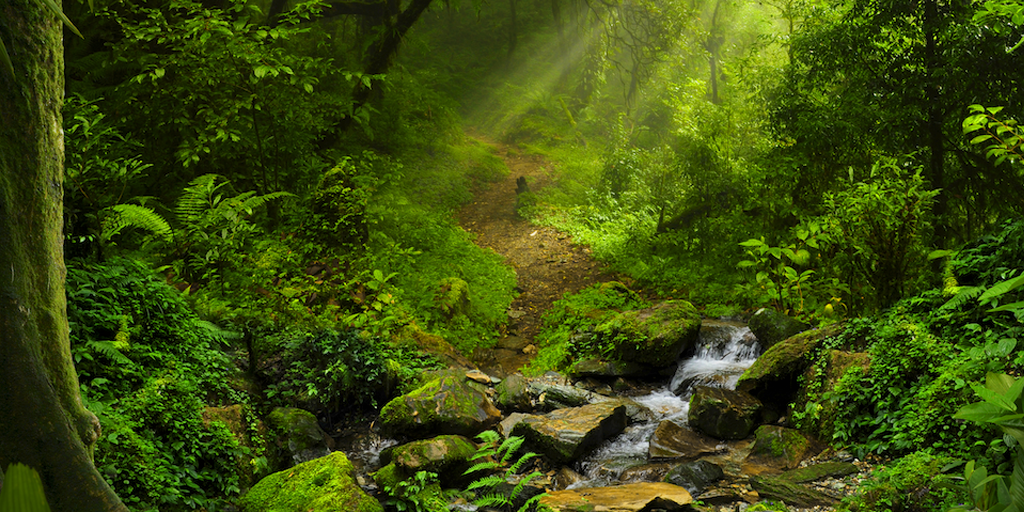
Those who own rainforest land may think it's a good deal to sell timber from the trees. They get a lot of money for it. But what happens when the rainforest disappears?
The Lungs of the Planet
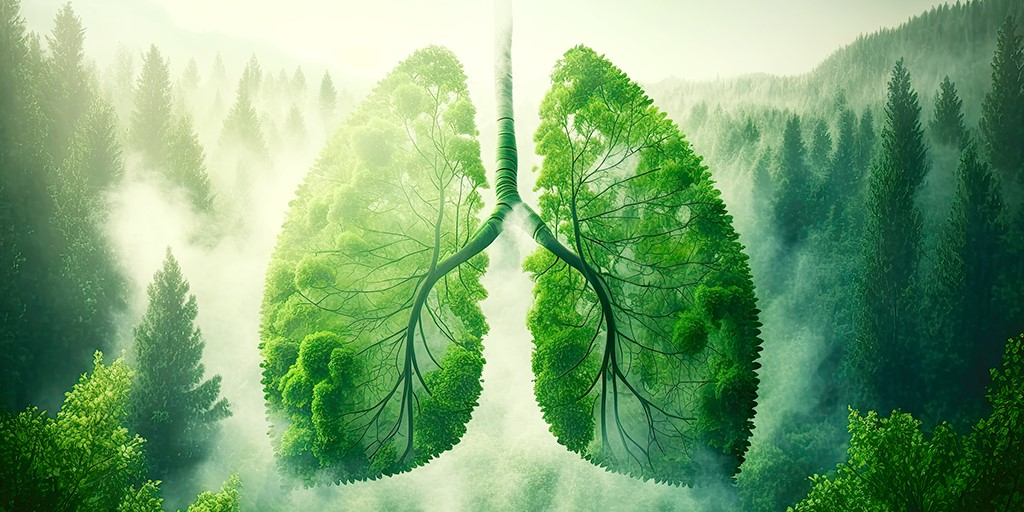
The rainforest and the oceans act as the planet’s lungs. The rainforest absorbs as much as 20 percent of all the carbon dioxide that we humans produce through our emissions. Without the rainforest, that carbon dioxide would have ended up in the atmosphere instead, and the planet would have been much warmer. But it’s not just the rainforest that’s important—the oceans are actually our largest source of oxygen. Through small organisms such as plankton, the oceans account for a significant portion of all the oxygen produced on Earth.
Without the trees, the soil is not protected when it rains heavily, and much of the soil is washed away. Many animals lose their homes, the people who live there are left without food, and the planet is deprived of its protective lungs.
The amount the rainforest owner earned from selling the forest is a small sum compared to what we will ultimately have to pay to repair the damage. Moreover, some mistakes cannot be undone. Environmental organizations that protect the rainforest are trying to educate people about why the rainforest is so important to all of us.
Because we need to be reminded. There’s so much going on in life that it’s not easy to keep the environment in mind in every situation. But when we remember to think about the environment, we can make better choices. For example, we can choose FSC-certified wooden furniture for the balcony or patio—or, best of all, nice secondhand garden furniture!
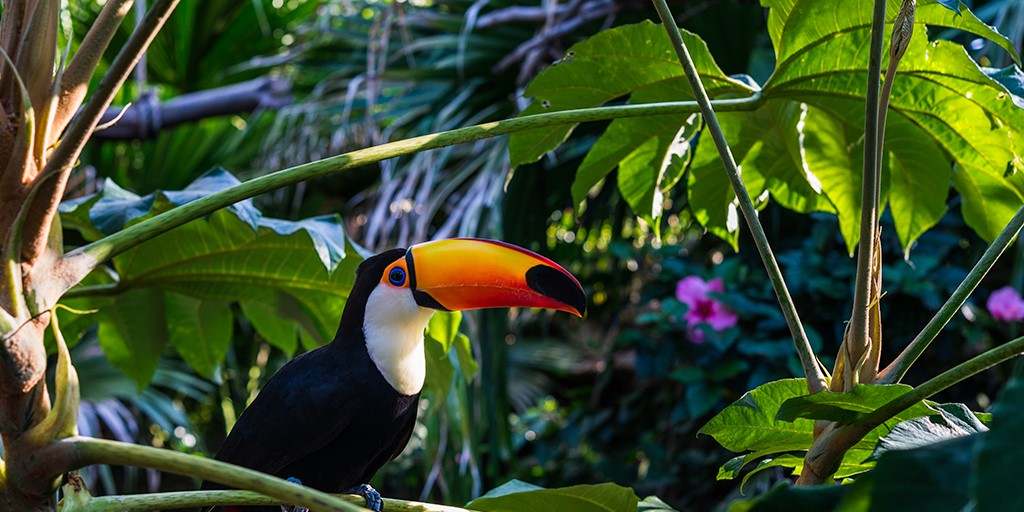
We may also need to be reminded of what’s right in front of us. Most people in Sweden have some form of nature nearby. Even in densely populated areas with high-rise buildings, there’s usually a park or a field nearby. If we venture just a little way outside our neighborhoods, we’ll soon find ourselves in a forest, next to a field, on a beach, or on a mountain. Nature is so close to us that we take it for granted.
A thought experiment
Imagine you're sitting on a bus. The bus driver announces that he has to pull over to the side of the road because a tire has blown out. He says it might take a while to get help changing the tire, and he invites you passengers to step out into the sun in the meantime.
It’s a warm day in May. Everyone gets off the bus and looks around. You’ve stopped right next to a meadow. The meadow is covered with flowers and a few scattered bushes. Behind the meadow, you can make out some water. You step out onto the meadow, see that a few people have slowly started walking toward the water, and follow them.
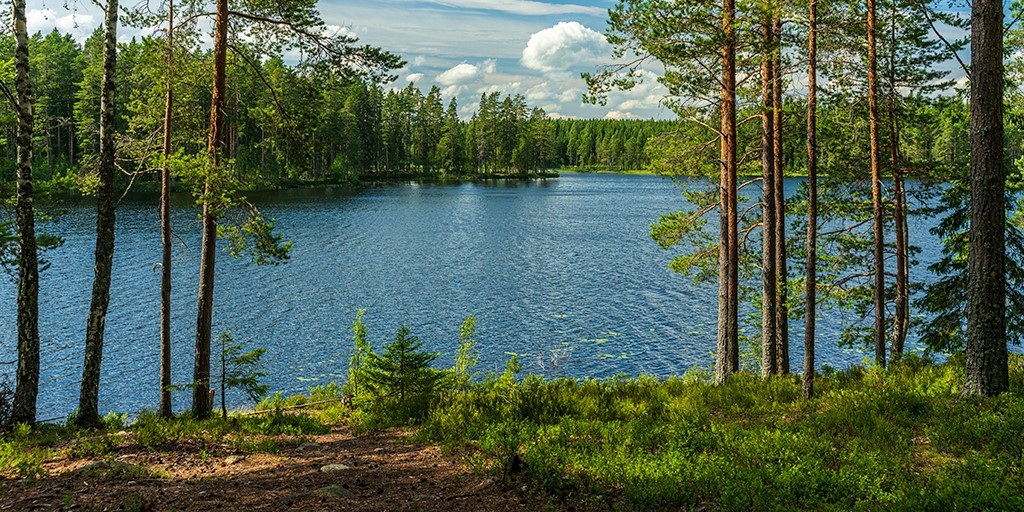
As you get closer to the water, you see a small motorboat passing by. Is this a river? You’re not sure, but you like the smell. It smells salty. The only sound you hear is birds chirping. A couple of your fellow passengers mutter something, but everyone looks calm. It wasn’t so bad being late after all—it’s nice here, you think. You walk over to a rock by the water and sit down, gazing out at the lapping waves. It feels cozy.
These moments are the best gift you can give yourself. Spending time in nature makes us feel good. We feel calm and balanced. When we’re not distracted by social media or street noise, our bodies begin to relax. As tense muscles soften, we can let go of some of our inner anxiety and stress, which makes us feel safer and helps us think more clearly.
It’s a good thing we have the right of public access. It gives us the right to enjoy the outdoors even if someone owns the land. We can wander through privately owned forests and across flowering meadows as long as we respect nature and the animals—and don’t litter.
The Right of Public Access belongs to all of us
The right of public access is a unique right that does not exist in all countries. It exists in Sweden, Norway, and Finland and has been in place here for hundreds of years. So what exactly is it?
The right of public access gives us the freedom to roam through Sweden’s natural landscapes—for example, we can camp and pick berries and mushrooms in the forest, even if someone owns the land. And we don’t have to pay for it, as you do in many other countries.
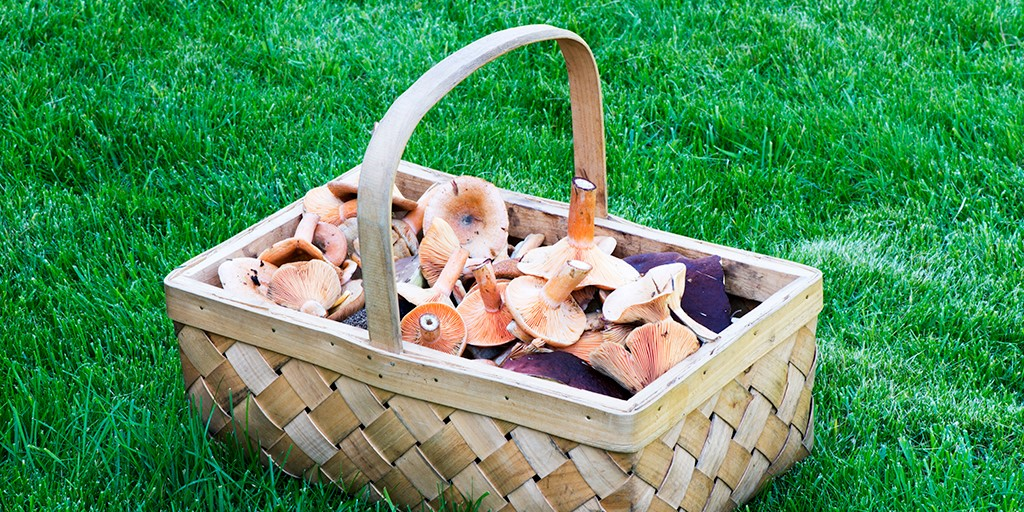
The right of public access is not a law, but there are laws that set limits on what is permitted in nature. The right of public access can be described as a wonderful right that gives everyone the opportunity to enjoy the beauty of nature. However, with these rights comes responsibility. The rules for how to behave so that we do not destroy nature have been passed down from one generation to the next for hundreds of years.
At its core, the right of public access is about showing consideration for nature, wildlife, and the people who live in the area.
Do Not Disturb
When animals in the wild have young, we make sure not to scare them. We keep our dogs on a leash so they don’t rush over and disturb them. If we see a house, we respect the owners. We stay off their property and leave them alone.
Do not destroy
We leave everything just as it was. We can pick mushrooms and berries, and collect pinecones and twigs for decorations. But we don’t break off branches from the trees; we can only pick up branches that have fallen to the ground. We don’t pull up flowers and berries by the roots, because then nothing will grow there next year.
Endangered Flowers
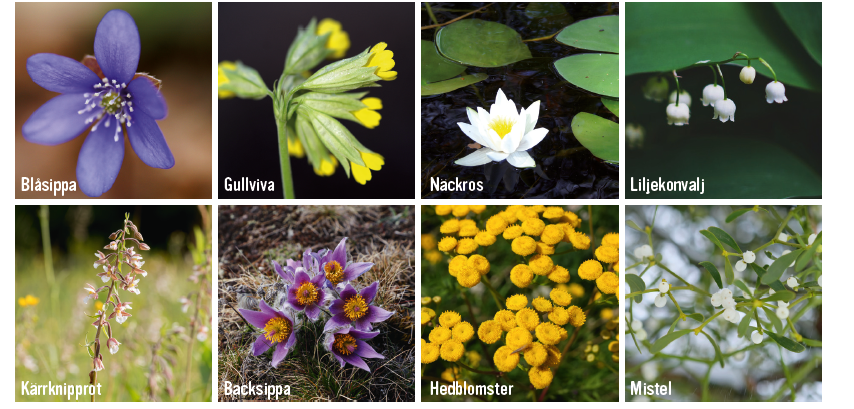
Some plants and flowers in nature are protected. This means you’re not allowed to pick them because there are so few of them. A flower may be protected in one place but not in another. Some flowers you’re allowed to pick, but not pull up by the roots. It’s always best to ask an adult before you pick a flower. All the flowers you see here are protected.
Love Nature
In the dictionary, the word “nature” is defined as “that part of the surrounding reality that is not created by humans,” that is, plants, trees, minerals, water, rocks, and so on.
We perceive nature as something pure and authentic. We use the word “natural” as an adjective to describe someone who “is themselves” and does not pretend to be someone else.
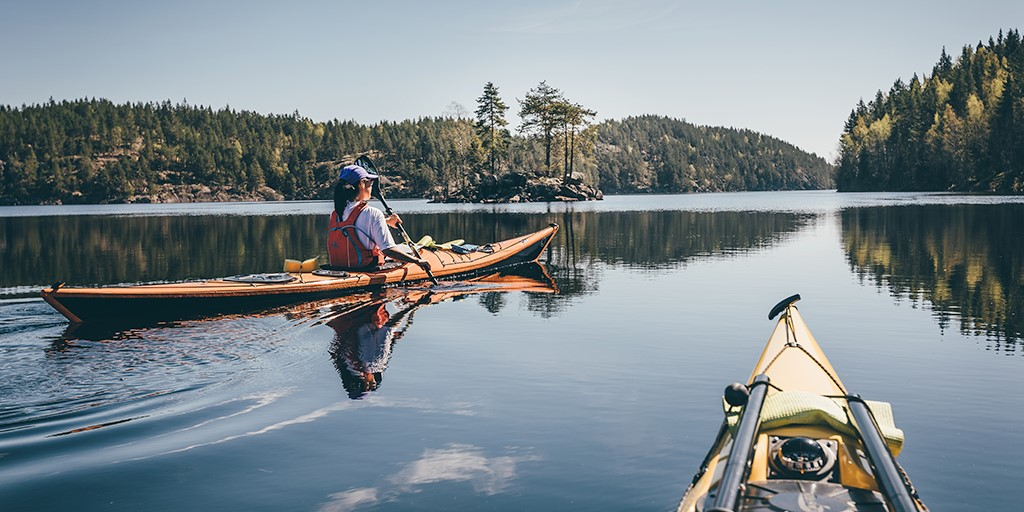
People thrive and feel safe in calm and pleasant surroundings. Forests are certainly cozy, but it is difficult for larger groups to socialize in the forest among all the trees. Perhaps that is why Sweden was the first country in Europe to establish national parks—parks owned by the state. In 1909, the first nine national parks were established in Sweden.
Hike in our beautiful national parks
A national park is an area that we want to protect especially carefully, so that future generations—your children and grandchildren—can enjoy it as well. National parks are protected areas where you’re not allowed to build houses or do anything that damages the land.
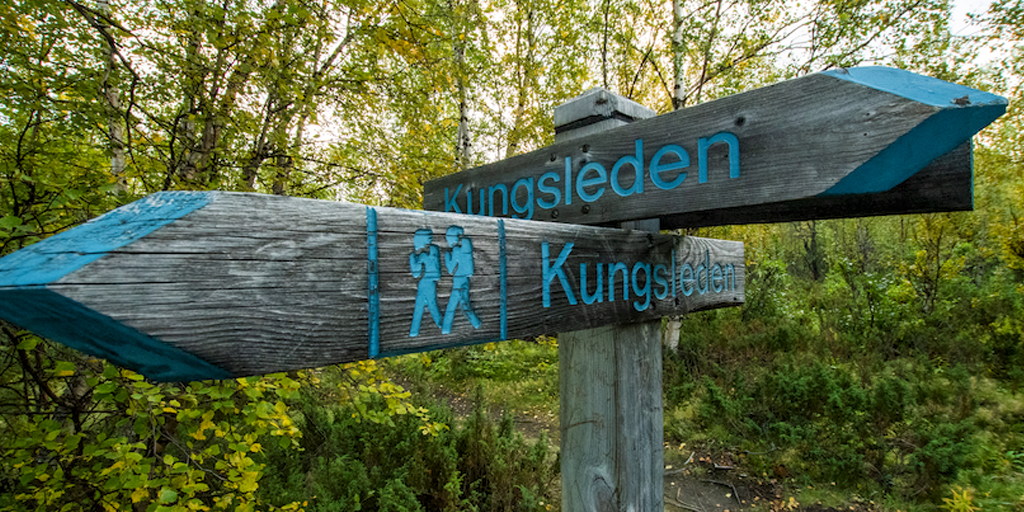
One of the purposes of national parks is to make it easier for us to go for a walk in the woods or take a stroll in nature. Many national parks and hiking trails have visitor centers where you can ask questions about the area. In some places, you can even rent small cabins to stay in.
The Nämdö Archipelago – a new national park!
The Nämdö Archipelago is Sweden’s 31st national park and the first one primarily focused on the Baltic Sea. Work began in 2020, and the park opened in September 2025.
It’s located in Värmdö, near Stockholm, and is huge—about 25,300 hectares! Almost all of it—97%—is water. The national park exists to protect the sea and the archipelago so that nature can remain almost exactly as it is today.
Find your nearest national park on the Swedish Environmental Protection Agency’s website
Explore your nearest nature reserve
There are more than 5,000 nature reserves in Sweden. A nature reserve can consist of both privately owned and public land. They are a way to care for our forests, waterways, pastures, archipelagos, and other natural environments. We establish them to protect valuable natural areas and rare species, but also so that we can all have access to beautiful areas for outdoor recreation and other nature experiences.
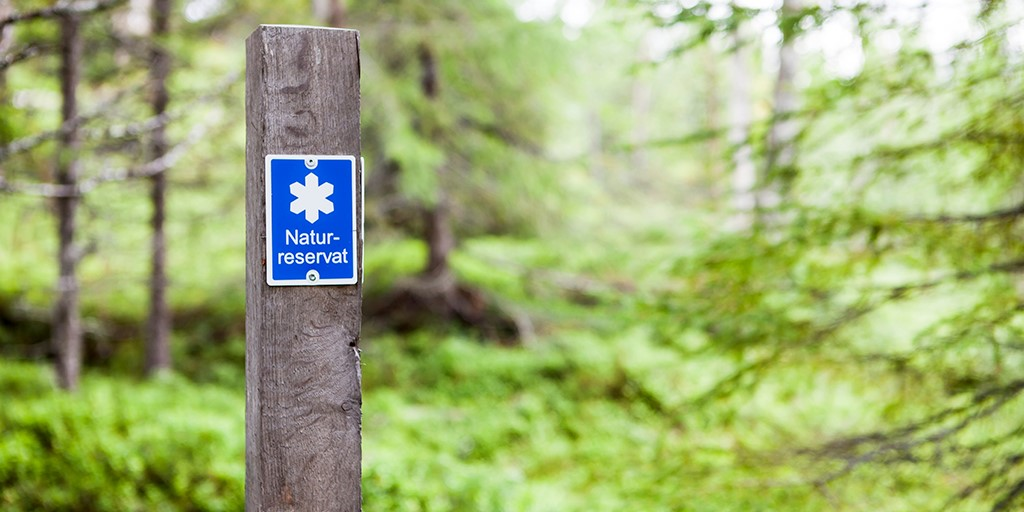
Nature reserves
are often located near populated areas, sometimes even within walking distance.
Each
nature reserve is unique and has its own specific plants and animals that we want to
protect.
That is why each nature reserve also has its own rules, known as
regulations.
You can find information about the rules at the nature reserve nearest you on signs within the nature reserves themselves. If you can’t find a sign there, you can ask your municipality about the rules.
Do we need to change our lifestyle?
During the years of the COVID-19 pandemic, from 2020 to 2022, people were unable to travel freely between countries around the world. Suddenly, what many had previously claimed was impossible—a sharp decline in air travel—happened all on its own. When the war in Ukraine, inflation, and skyrocketing electricity prices made everything more expensive, we simply could no longer afford to shop just for fun, throw away 25 percent of the food we bought, and waste electricity.
We started fixing our stuff and buying more secondhand items. We made weekly meal plans and made the most of the food we bought so we wouldn't have to throw any away. We stopped leaving the lights on in empty buildings and started airing out our clothes so we wouldn't have to wash them as often.
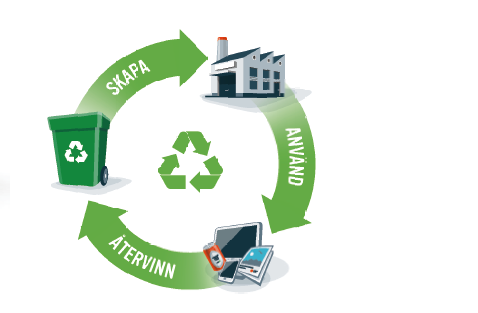
Without even realizing it, we transitioned from a linear economy to a circular economy. Instead of producing— buying—throwing away, as in the linear economy, we began to produce—use —reuse—repurpose—recycle, in accordance with the circular economy.
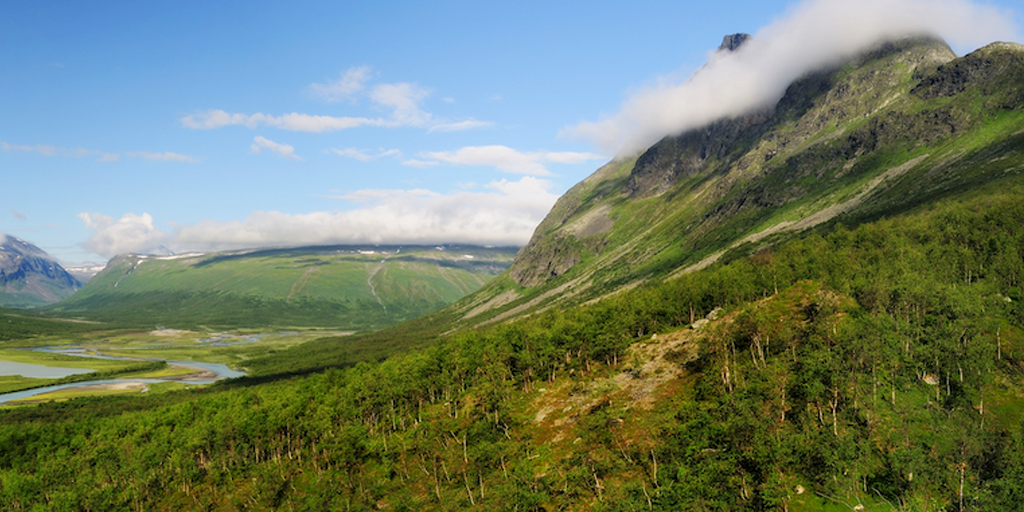
When something feels difficult or abstract, it’s easy to give up before you’ve even started. Do you know what mountain climbers think when they begin their long journey to the summit? “Now we’ll take one step at a time—and one more step—and one more step—and eventually we’ll reach the summit!”
In fact, a major step toward a better world was taken in 2015. That year, world leaders drew up a list of 17 goals for a better world—the Global Goals—that we aim to achieve by 2030.
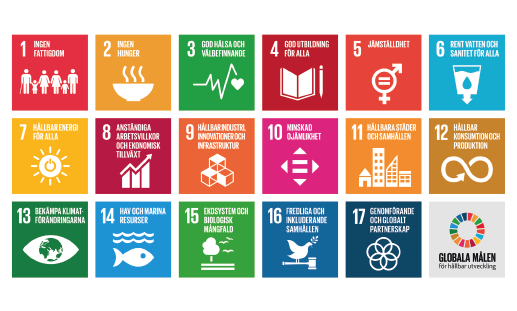
What we're trying to achieve are these four amazing things:
- End Extreme Poverty
- Reduce inequality and injustice in the world
- Work harder for peace and justice for all
- Solving the Climate Crisis
Read more onthe Global Goals website.
How much do you remember?

The rainforest serves as the planet’s…
The right of public access is…
What do all of Sweden's national parks have in common?
Where are nature reserves usually located?
What is meant by the circular economy?