TIP 5: LET'S PROTECT OUR PRECIOUS WATER!
More than two billion people worldwide lack access to clean drinking water. 2 billion people = 200 times Sweden’s population.
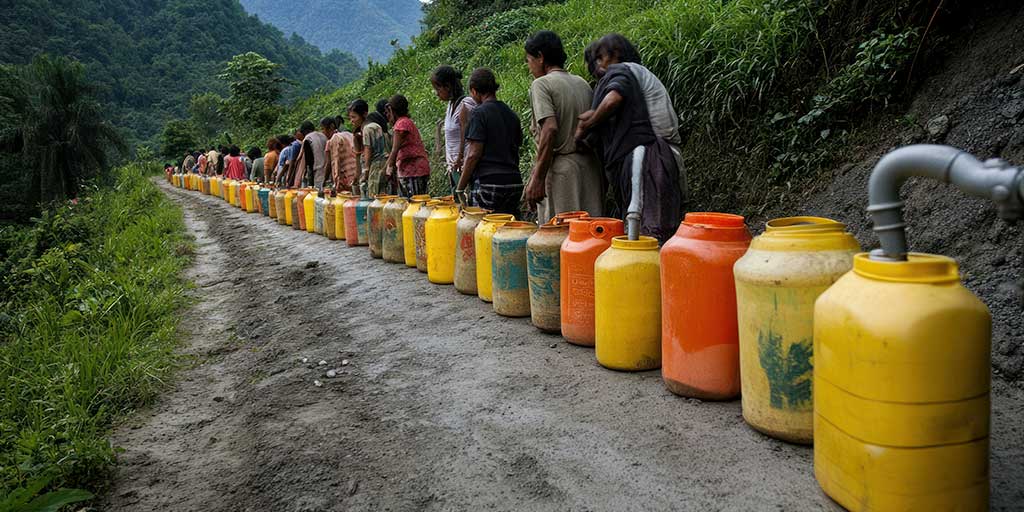
In some countries, the ground is so dry that the water in wells, rivers, and lakes is running dry. In other countries, flooding causes dirty water to mix with drinking water. It is not always water that is lacking, but rather the infrastructure surrounding it. This means there are no water treatment plants to purify the water and no water pipes to transport it to people. As a result, many people depend on aid organizations that distribute water containers and drill wells.
Clean water straight from the tap
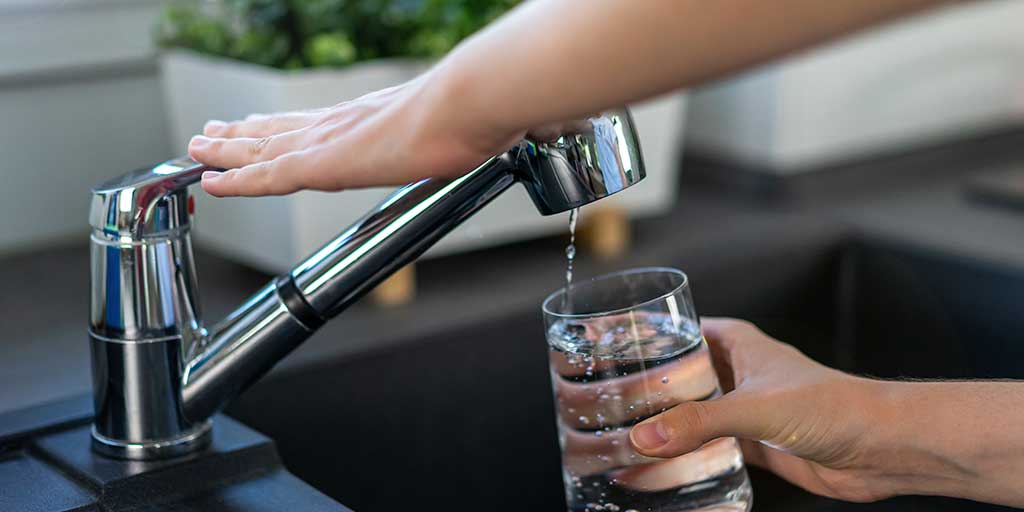
In Sweden, all we have to do is turn on the faucet to get clean, tasty, and inexpensive tap water. Our water is often naturally filtered as it travels through the ground. It is then treated at water treatment plants before being pumped through water pipes to our homes.
Our tap water is so clean that we don’t need to buy water at the store. This helps us save money while also protecting the environment. The less water we buy, the fewer plastic bottles need to be manufactured and then transported over long distances. Our water is a fantastic resource that we should cherish.
The Water Cycle - When Salt Water Becomes Fresh Water
The water on Earth circulates in an endless cycle. Most of it—a full 97 percent of all water—is saltwater in the oceans. We cannot drink that. When water from the oceans evaporates, it turns into vapor that rises into the atmosphere. There, the vapor cools and turns into water droplets that eventually fall as rain over lakes, land, and oceans. The water that falls as rain is freshwater. In other words, freshwater accounts for three percent of the Earth’s water. Most of this freshwater is frozen in glaciers or hidden deep underground as groundwater—and thus out of our reach.
So how much freshwater do we actually have access to? Less than one percent. And that has to be enough for all people, animals, and plants. Now you can see why we need to protect it.
Hundreds of liters of water every day
In Sweden, each person uses about 140 liters of water per day. We shower, flush the toilet, wash dishes, do laundry, clean, and cook. That’s quite a lot of water, but we can actually reduce our water consumption with a few simple tricks.
- Turn off the faucet while you brush your teeth. In one minute, six liters of water flow from the faucet.
- If you cut your shower time by five minutes, you'll save 60 liters of water.
- Wait
until the dishwasher is full before running it. Collect
rainwater in a barrel and use it to water your plants.
- Fix leaky faucets. A leaky faucet can waste 55 liters of water in a day.
Make sure you have water at home
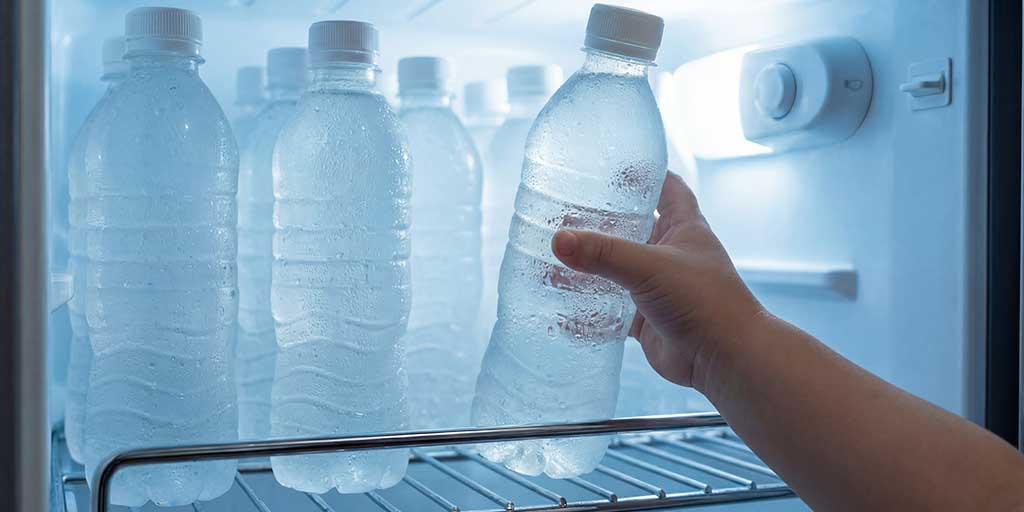
We can survive quite a long time without food, but not without water. If we experience a long power outage—for example, if a storm knocks trees onto power lines—water will stop flowing from the faucet. That’s why it’s important to make sure you always have water at home.
Under certain circumstances, such as during a prolonged power outage, we obviously cannot use 140 liters of water per person per day. We can get by with 3 liters of water per person per day.
A
20-liter container is enough for one person for a week.P.S.
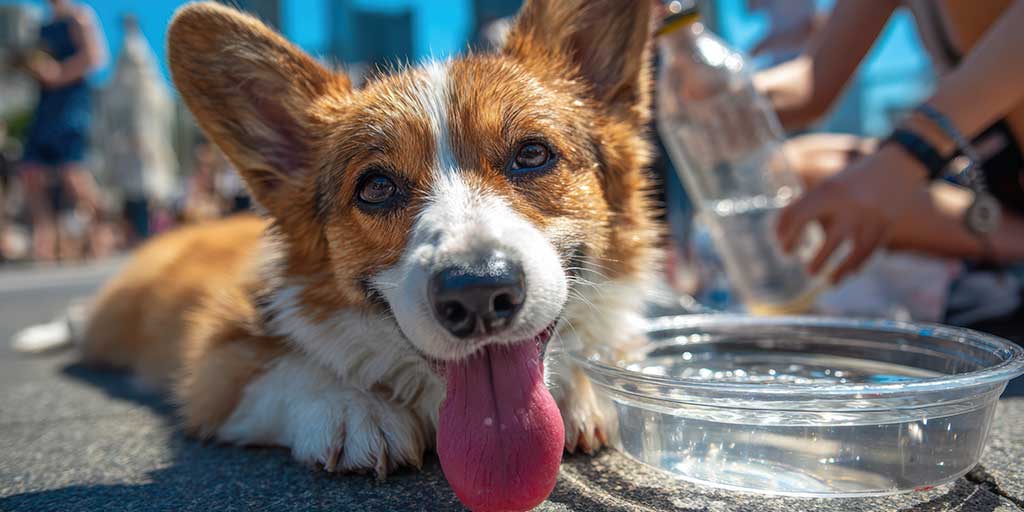
Don’t forget that pets need water, too.
You
can start storing water right now, even if you don’t have water containers. Rinse out an
empty juice or soda bottle and fill it with water. Store the bottle in a cool place and put
a black plastic bag over it to protect the water from bacteria. Add more
water bottles as needed and replace the water every six months to keep it
fresh.
Do you remember the "two" rule?
The only things we should flush down the toilet are… that’s right: pee, poop, and toilet paper. Cotton swabs, wet wipes, and other trash can cause clogs in the toilet and damage the wastewater treatment plants. Then everyone will have problems with their water supply.

Old medications should be returned to the pharmacy. Ifwe flushmedications down the toilet, they end up in lakes and oceans, where they harm animals and plants. We humans are harmed as well, because the medications eventually end up in the food we eat. This is called the boomerang effect.
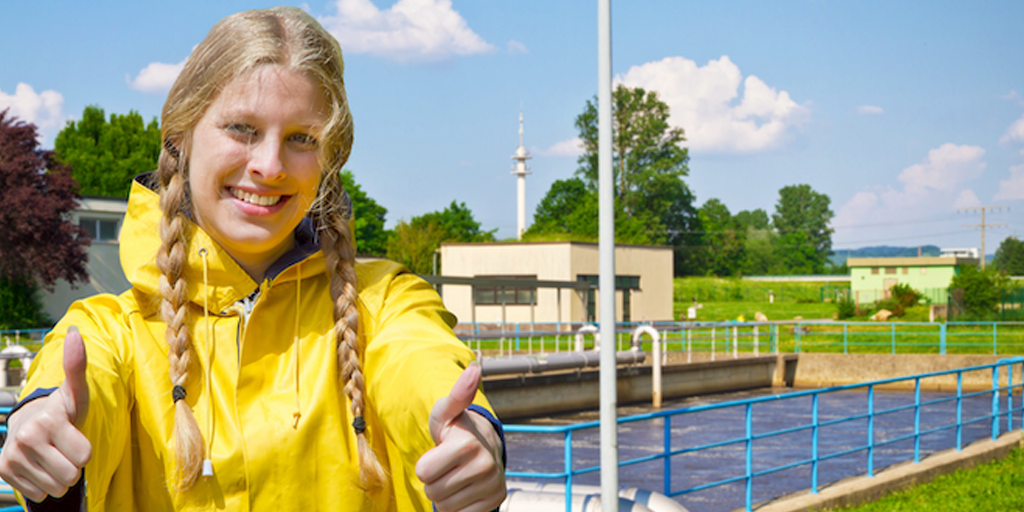
Examples of what we should NOT flush down the toilet:
Paper towels, cleaning rags, and wet wipes. They do not dissolve in water the way toilet paper does, but instead risk getting stuck in pumps or pipes and causing problems.
Snus and cigarette butts. They contain, among other things, cadmium, which can cause environmental problems when it ends up in the natural environment.
Sanitary pads, tampons, cotton swabs, and condoms. They can cause problems in pipes, pumps, and at the wastewater treatment plant.
Chemicals such as paint thinner, oil, nail polish, acetone, and similar substances. They risk disrupting the biological treatment process at wastewater treatment plants and ending up in the environment. Take them to the recycling center.
Unused medication. Please return it to the pharmacy.
Hair. Hair gets tangled and caught, which can cause blockages in the municipal sewer system just like in the floor drain at home.
Paint leftovers. No type of paint belongs in the drain. Paint leftovers must be treated as hazardous waste and taken to the recycling center—this applies to both house paint and art supplies.
Fat, such as oil from cooking. Fat solidifies and causes clogs in pipes and pumping stations as well as problems at wastewater treatment plants. Wipe the frying pan with paper towels and throw them in the trash. You can pour larger amounts of oil into a plastic bottle or a milk carton. Alternatively, you can let the fat solidify, then scrape it out and throw it in the trash.
Tip: Wash your car at a car wash!
Don’t wash your car at home—no matter how tempting it may be when the sun is shining on your driveway. The dirty water that runs off the car contains heavy metals, oil residues, and chemicals. It usually flows straight into a storm drain or onto the nearest lawn—without any treatment at all.
The pollutants don't stop there. They are carried into our waterways, lakes, and rivers, and ultimately risk ending up in our swimming and drinking water. They don't belong there.
About 30% of car owners in Sweden still wash their cars at home—but there’s a better option.
Choose an approved car wash or wash bay that cleans your car and, ideally, also reuses the water. It’s better for the environment, your health, and the future.
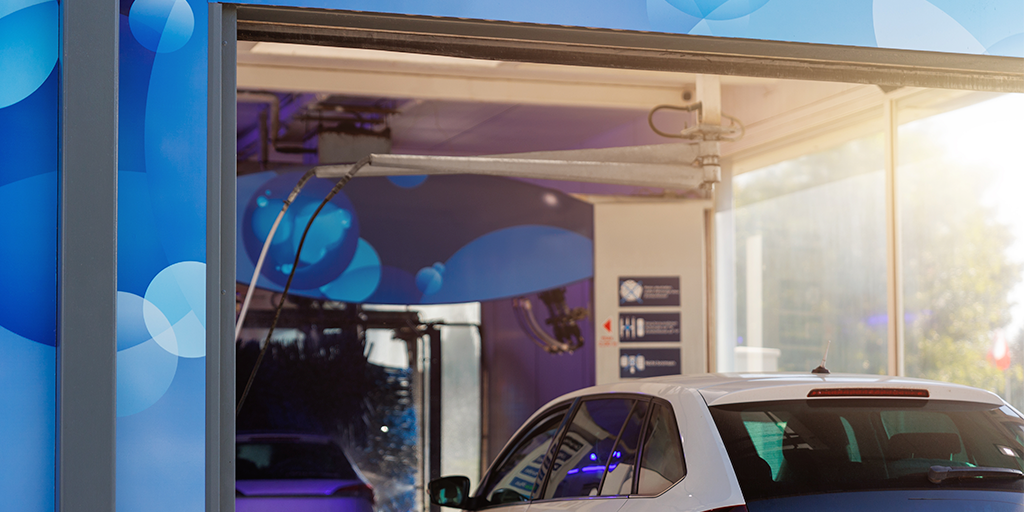
How about a car wash—you can't go wrong with that! Or a self-service car wash for those who want to wash their own cars without letting chemicals end up in a lake or river!