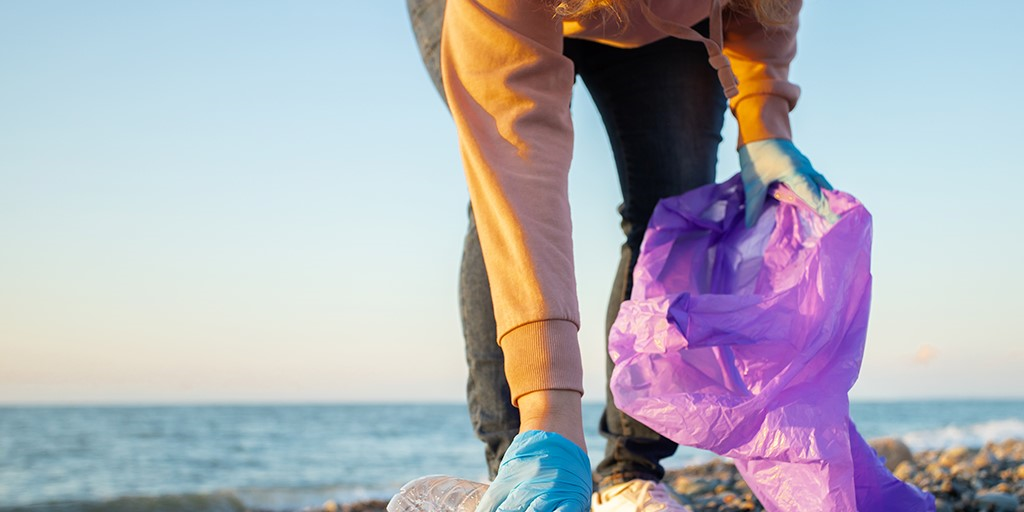
TIP 9: HELP STOP LITTERING
Littering is a major problem for a great many people. Does that sound strange? It’s about more than just a few ice cream wrappers on the ground. The trash we humans throw away harms both animals and nature. Our trash destroys the oceans, makes cities unsafe, and costs our communities a lot of money—because someone has to clean it all up.
Plastic in the Ocean
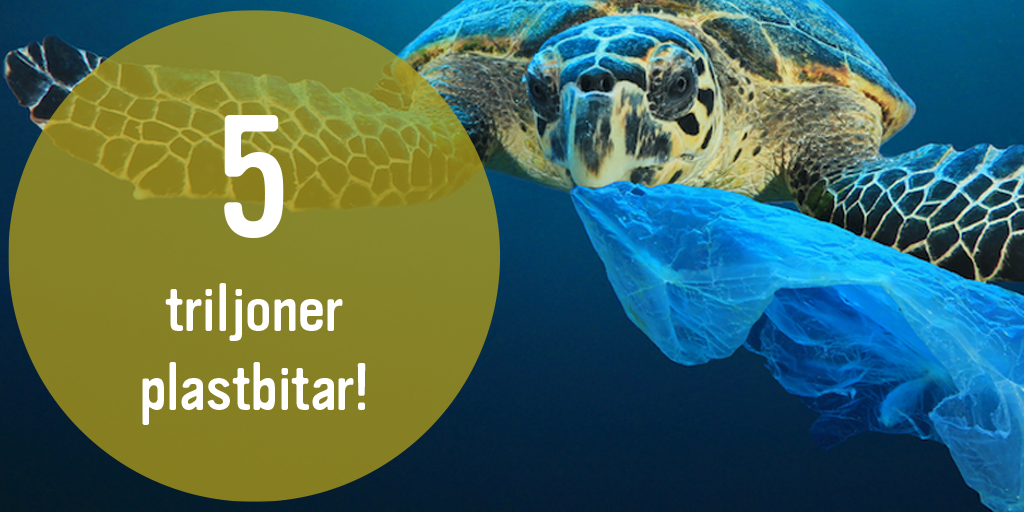
The most common type of litter in the ocean is plastic, and most of it comes from land. Plastic litter is especially problematic for seabirds and aquatic animals, which mistake it for food. When their stomachs fill up with plastic instead of real food, they can starve to death.
Plastic often contains hazardous substances that harm marine animals and plants. The amount of plastic in the oceans is linked to the amount of trash we humans discard.
Trash in parks
Parks are the green oases of our cities. They are beautiful, peaceful places where we can enjoy the summer and spend time together in larger groups. Unfortunately, litter surveys conducted by the organization Keep Sweden Clean show that many people throw trash on the ground—even though there are often trash cans nearby.
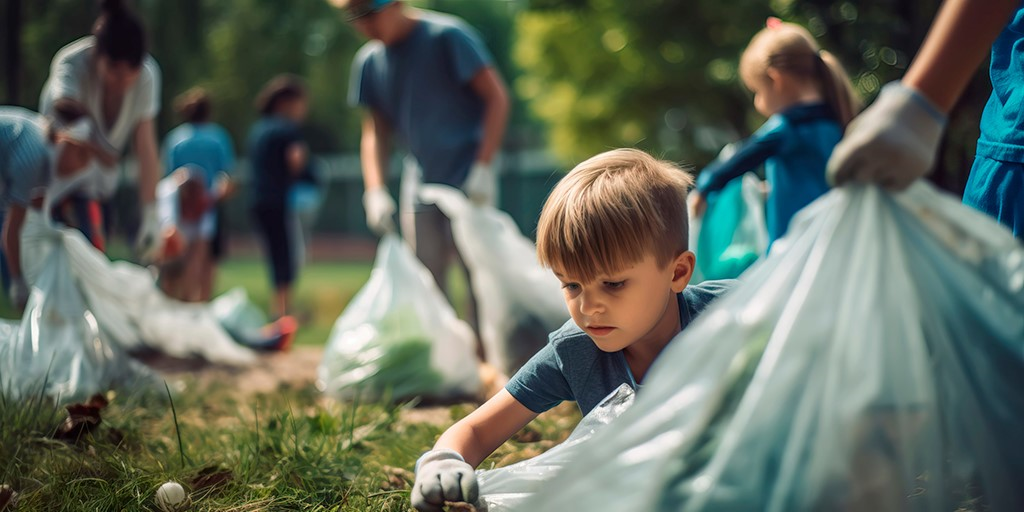
We certainly don't want it to be like that! Surely it should be easy to find a litter-free spot in the park to spread out your picnic blanket! It's not as hard as flying to the moon, so it should be possible to solve. Maybe if we always pick up our own trash and ask others around us to do the same.
The best thing about picking up trash is that you can see right away how nice it looks!
Here's how to do it:
• Invite your friends and neighbors—it's more fun to pick together!
• Bring bags and gloves with you.
• Find a run-down place that needs a little extra love.
• Pick up any trash you see, but be careful of broken glass and similar items.
• When you're done, throw away the trash you've collected. Ideally, take it to a recycling center, but the nearest trash can will do as well.