TIP 8: BE A ROLE MODEL!
The best thing about us humans is that we're all different. We're good at different things, and everyone is needed. Some are good at building things, others know several languages, some are always coming up with new ideas, and some always seem to be able to solve problems.
It’s good that we complement each other, because we need all kinds of people. We need idea generators, problem solvers, those who bring ideas to life, and those who spread the word about them. We need insightful individuals who have the patience to think things through, well-read people with a wealth of knowledge, quick-thinking individuals who know how to uncover important facts, and courageous people who dare to question our leaders. We need a group to cook for those who come up with solutions and another that wanders through nature and spreads love. There’s a place for everyone!
It’s not always easy to see your own role in the fabric of life, but everyone has a place and a purpose! Every single patch is needed to make a complete quilt.
Who is your role model?
Role Models inspire others with their talent, personality, or unique qualities. A role model doesn't have to be a celebrity. It could be a friend who is braver than you are, or the classmate who makes the world's best vegan pizza!
Think about who your role models are. Write down the names of your role models.
What do you usually do to help others?
How do you become a good role model?
We humans are drawn to cheerful and positive role models. We get a boost of energy when we feel inspired. It feels good to hear, “I can’t believe you’re taking the train to Gothenburg instead of flying—what a great thing you’re doing for the environment!”
Much better than “Did you know that a flight to Gothenburg causes as much air pollution as 40,000 train trips of the same length?” Still, that information needs to be shared as well. It’s not a simple balance—when should you inspire, and when should you criticize?
Try to inspire those who are facing a decision—for example, a relative who’s coming to visit.
Take Care of Your Neighborhood
Have you ever thought about how you react when someone is kind to you—for example, by holding the door open for you? It feels good, doesn't it? When you then hold the door open for the next person, you're passing that kindness along. If we say hello to our neighbors and make sure the area is clean, tidy, and has a pleasant atmosphere, the neighborhood will thrive.
According to the so-called “broken windows theory,” we unconsciously analyze everything that happens around us. If a window is broken in a residential neighborhood—and no one fixes it—it sends the message that “the people who live here aren’t important.”
It won't be long before people start littering there or breaking even more windows. The solution? Fix the window, of course! And pick up the trash off the ground.
We imitate each other
The saying “children do as you do, not as you say” actually applies to all of us. We want to be like the people we like—to be like them and do what they do. Something we might not think about is that others can be influenced and inspired by us, even when we don’t intend for that to happen. If you shop a lot, the people around you might start doing the same, because it feels “normal.”
Your parents are role models
We are role models for one another, even at work.
We humans influence one another every day—not only through our behavior, but also through our professions. Nurses take care of us when we get sick, and construction workers make sure we have a place to live, to name a few examples.
Some professions can have a direct impact on the environment. For example, politicians can decide that we should invest more in eco-friendly travel. In other professions, the impact may be indirect, such as when train conductors make it possible for many of us to travel together on a train instead of each traveling alone in our own cars.
What are the occupations of the adults in your life?
What do your parents or other adults in your life do for a living? How would you say they influence those around them through their work? If they aren't currently employed, perhaps they can tell you something about their previous jobs. Which jobs did they enjoy the most, and why?
What do you want to be when you grow up?
Have you ever thought about or fantasized about a particular career? Of course, it's hard to know right now, but you can always daydream! What do you think you'd like to do for a living?
If you want to work in a field related to nature or the environment, there are many careers to choose from. Even in careers that at first glance don’t seem to have anything to do with the environment, you can still make a difference. As a journalist, you can write about what’s happening to the environment and the climate. As a politician, you can decide how we should protect nature, and as a farmer, you can choose to farm organically to protect the soil.
Geoscientist
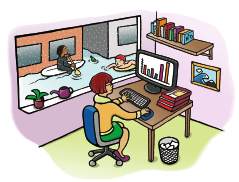
Geoscientists map and manage natural resources in rocks, soil, and groundwater. They warn us about earthquakes, volcanoes, and floods, and conduct surveys in preparation for road and building construction.
Meteorologist
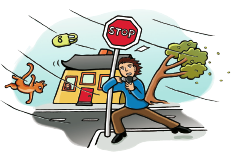
Meteorologists collect information about temperatures, winds, clouds, and rain using satellites in space. They calculate what the weather will be like in the coming days and then present weather forecasts on the radio and on TV. Some meteorologists also study how the climate changes over longer periods.
Oceanographer
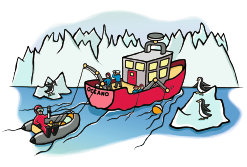
Oceanographers study the oceans and take part in ship-based expeditions. They study currents, waves, how ice spreads, and the salinity of the water. They investigate how the oceans are affected by the seasons, as well as by pollution from factories, new construction, and wastewater. Oceanographers also conduct research on climate change.
Engineer
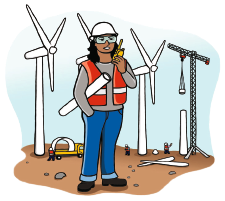
There are many different types of engineers, but most of them work on some form of technical development. This might involve, for example, products that need to be more efficient or more environmentally friendly. An engineer might also lead construction projects, come up with new inventions, or create new ways to communicate.
As a journalist...
...you are the eyes and ears of the public. You can interview climate scientists about what the weather will be like in the future, expose companies that dump hazardous waste into the environment, and inspire others by writing about successful environmental projects around the world.

As a politician...
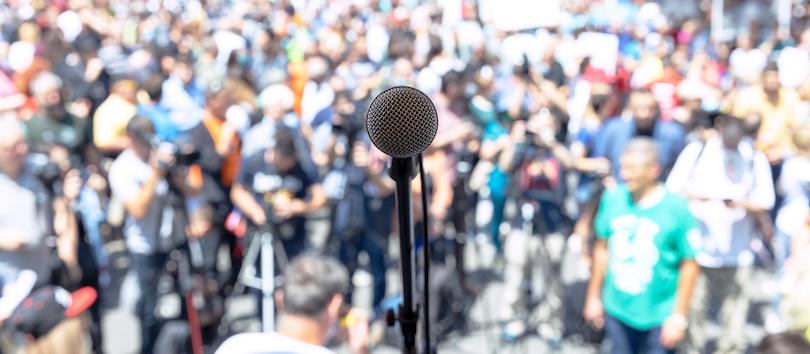
...you have a say in important issues. In the Riksdag, where politicians gather to vote, you can vote in favor of projects that are good for the environment. You can also influence others and spread awareness by talking about environmental issues on TV, the radio, and in newspapers.
As a teacher...
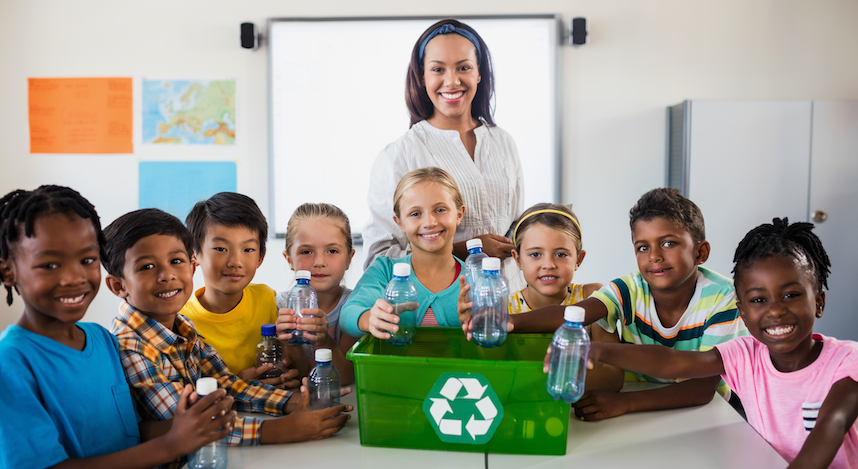
...you’re helping to shape the future. You help students understand how nature works and why the climate is changing. You can have your students work on environmental issues at school, so they’ll be inspired to make good environmental choices at home as well.
Green Thinking in Various Professions
You don't have to become a scientist to do something good for the environment. In many professions, you can choose to act in an environmentally friendly way in many different ways.
Bus driver

Every year, there are more than 551 million bus trips in Sweden! Just think of how much car exhaust we avoid emitting thanks to the bus drivers who take us to work, school, and train stations!
It is true that buses also emit exhaust fumes, but today 95 percent of all our public transportation is powered by renewable fuels and electricity.
Farmer

In the 1990s, we produced 75 percent of all the food we ate. Today, we import half of it. If we were to go back to producing more of our own food, we would all benefit. That way, nature would be spared the emissions from long-distance food transport, and we would have enough food for the population in times of crisis.
As a farmer, you can also protect nature by farming organically. By avoiding toxic pesticides, there will be fewer toxins in the soil.
School Cafeteria Staff

A group of adults in your community who influence both you and the environment through their daily work are the staff in your school cafeteria. They do this, for example, by planning the menu around seasonal vegetables and by reminding you students not to put too much food on your plates.
Find Careers
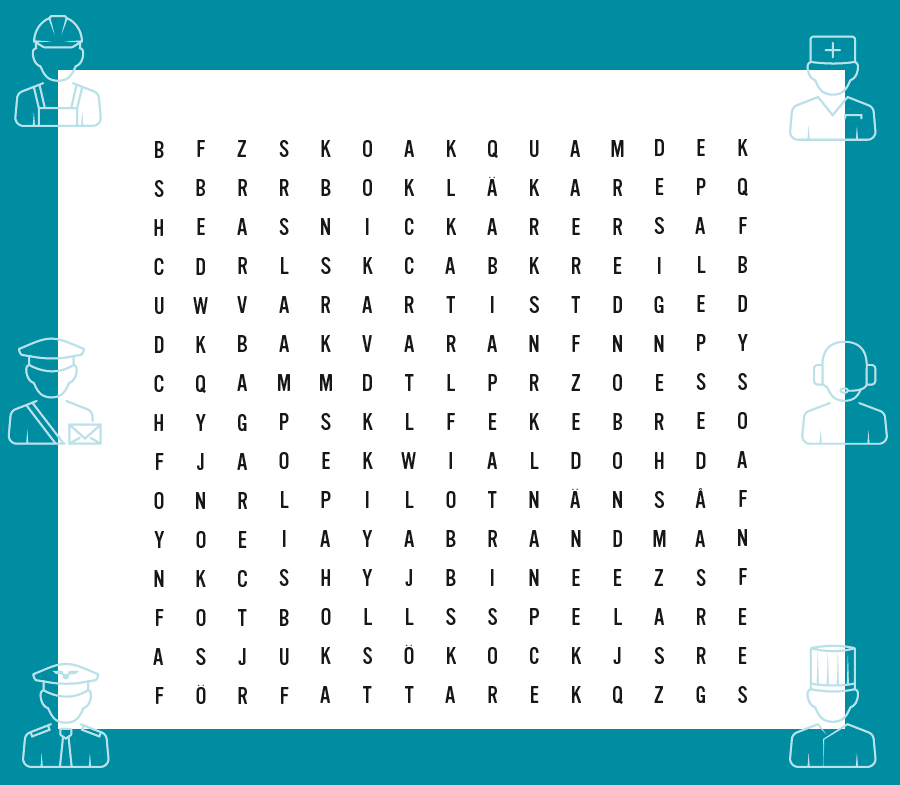
Among the letters! The words are hidden both horizontally and vertically. Note: One word is hidden diagonally!