TIP 7: MAKE A DIFFERENCE THROUGH YOUR PURCHASING HABITS!
In the old days, most Swedish homes had only the bare essentials. People had furniture to sit on, eat at, and sleep in. They had just enough mugs and plates to go around for everyone. Girls had a couple of everyday dresses and a Sunday dress; boys had a pair of shorts and a pair of long pants. Before the days of milk cartons, people had their milk jugs filled at the store and paid by the liter. In other words, old Sweden was a sustainable society, without people even realizing it. People didn’t consume more than they needed, and they produced less waste—for example, thanks to the milk jugs.
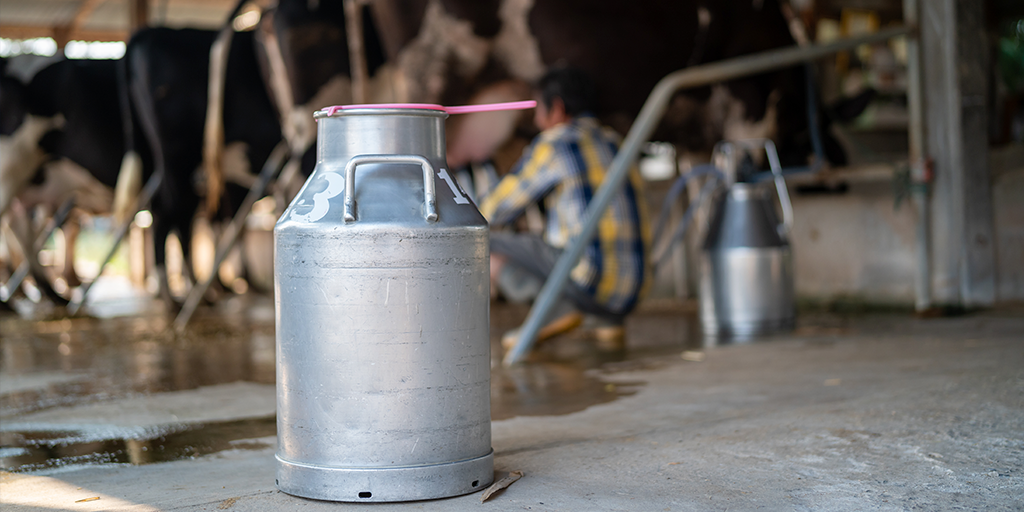
That’s not how things are in Sweden today. Today, we have more money, and we’ve chosen to use it to consume more. The word “consumption” means buying and using a product. A society where people consume a lot and quickly is called a consumer society. The more gadgets we buy and use up, the more raw materials we need from nature. One of the most sought-after raw materials is oil. However, it is not a renewable resource. One day, oil will run out.
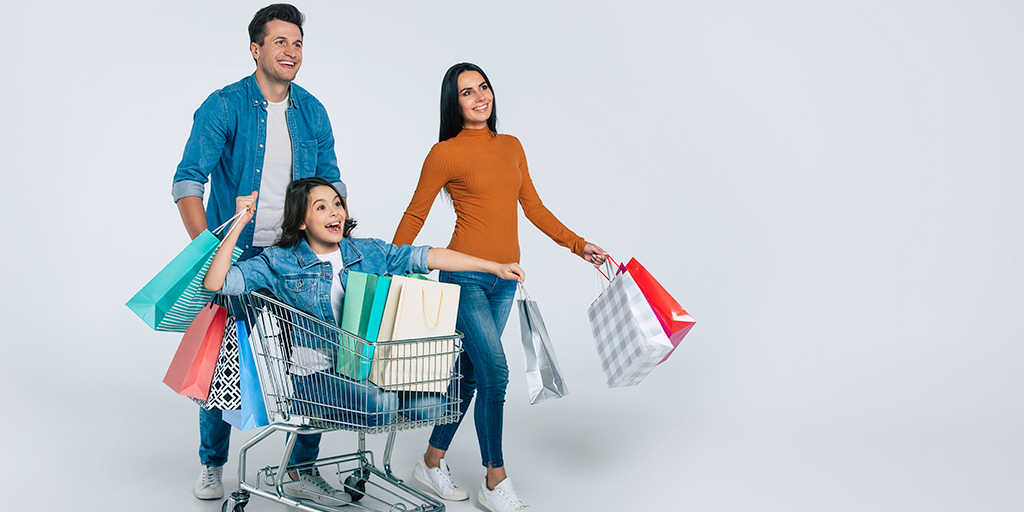
Do we really need all the things we buy? We’d probably get by just fine with fewer possessions. That’s actually how the vast majority of people on Earth live—the vast majority have only the bare necessities.
Did you know that...
If everyone on the planet consumed as much as we do in Sweden, we would need four Earths.

DID YOU KNOW THAT...
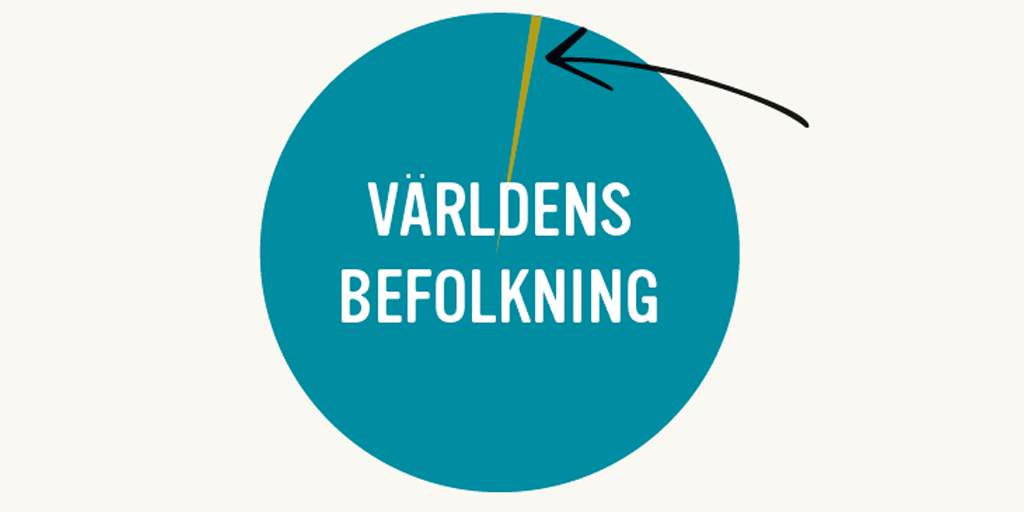
...there's a tiny group of people who have much more than others.
Ecological Footprints and Handprints
Everything we humans produce, use, and discard takes a toll on the environment. The extent of our impact is measured by our “ecological footprint.” The larger the footprint, the greater the impact.
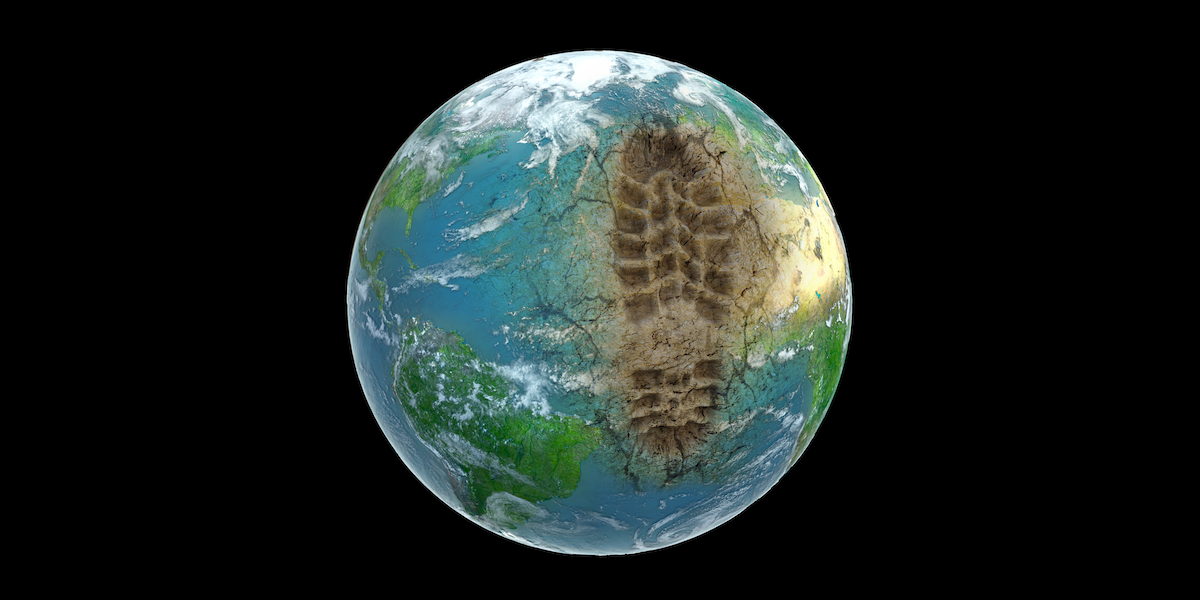
We also take steps to protect the environment. For example, we’ve now made sure that the ozone hole has almost been repaired! We can measure how much we’re doing to ensure a sustainable future and help others protect the environment. The results are expressed in “ecological footprints.”
Get tested—you and your family
What kind of shopper are you? Add up your results to see if you have the most A's, B's, C's, or D's.
Your parent gets a big hole in their pants. What do you do?
You've already picked out a sweater at the store when you spot another nice one. What do you do?
You see an ad for a cool tech gadget. What do you think?
Your school is organizing a garage sale, and everyone is asked to donate clothes and other items.
Do you often buy things for your home?
Most A's on the test
If you had the most A's on the test, your category was "Shopper."
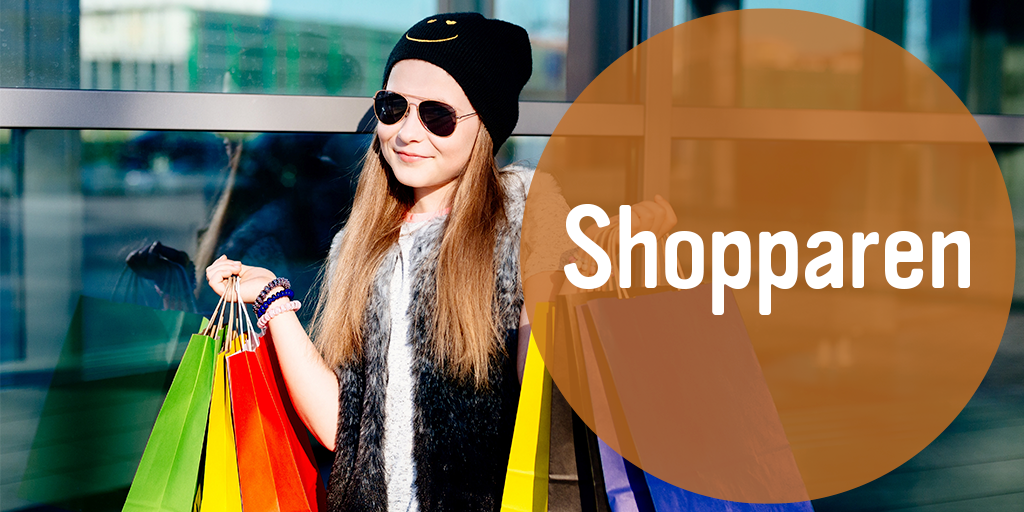
Nothing gives you such a rush as shopping! Shopping cheers you up when you're tired, comforts you when you're sad, and makes you happy when you're bored. Plus, you think it's a fun way to hang out with a friend.
But why not discover new ways to spend time together? After all, you can just go for a walk, listen to music, or grab a cup of coffee.
Most Bs on the test
If you got mostly Bs on the test—then you're taking the middle road!
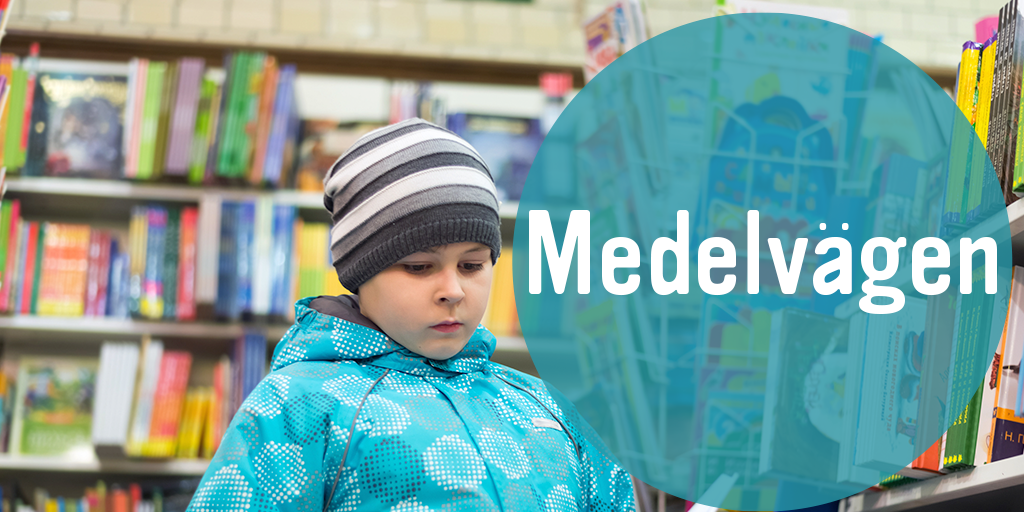
You try to keep your shopping to a reasonable level. Before you buy something, you try to remember to ask yourself if you really need it. If you already have three wallets, you don’t need a fourth just because it looked nice in the store.
Most Cs on the test
Did you have the most Cs—Softish...
You only shop if you really need something. You go into the store, grab what you need, and leave. Most of the time, you buy something online that you really need. Shopping serves a purpose, but it’s not really something you think about very much. There are more fun things to do in life, like playing music, chatting with friends… or just relaxing on the couch!
Most Ds on the test
Did you get the most Ds?—It's great that you care about the planet!
"Sharing is caring"
What would our society look like if we started sharing more? Hoarding a bunch of gadgets and clothes that we rarely use is really just a waste of the Earth’s resources. For example, it takes 1,250 liters of drinking water to produce a cotton T-shirt. At the same time, one billion people don’t have clean water to drink.
We can actually make a difference in this situation by making smarter choices.
- When you buy an item of clothing—ask yourself, “Do I really need this?”
- After you've used it—air it out every now and then instead of washing it after every use.
- When you get tired of it—swap it with a friend, sell it at a garage sale, or donate it to charity.
Make Your Wardrobe More Eco-Friendly
- Shop secondhand and you'll find unique vintage pieces!
- It's better to buy fewer items but of better quality—that way, they'll last longer!
Give your old clothes a new lease on life!
- Organize a "clothing swap day" in your neighborhood! That way, everyone gets clothes that are new to them—completely free!
- You can also donate clothes in good condition to clothing drives or thrift stores.
Fix your gadgets!
Today, we live in a "buy-and-throw-away" culture. We don't really care much about our stuff. When something breaks, we don't even try to fix it—we just buy a new one right away.
The industry has figured this out, and it manufactures many household appliances with a lifespan of 6–7 years. Much of what is sold today is not designed to last longer than that.

We need to start seeing the value in our stuff again. It’s good for both our wallets and the climate. We also need to teach our children that every item that’s manufactured has come at a cost—both in terms of the Earth’s resources and human labor. It’s time to extend the life of our stuff!
Old becomes new!
In this challenge, you'll repurpose old items and take "before and after" photos!
1. Find an item that you don't mind altering. Look through old stuff in the attic, in the basement, or at your nearest thrift store.
2. Come up with a new design—and why not a new feature?
3. Take a photo of the object—a so-called “before” photo.
4. Fix up and spruce up the gadget.
5. Take a photo of the modified object.
6. Display all the newly styled items in the classroom or hang up “before-and-after” posters