Tip 1: YOUR BEST LIFE HACK — YOUR CONVERSATION ABOUT CLIMATE CHANGE!
A family can take many different forms, but it usually consists of people who know each other well. Even though we’re close to one another, we don’t always know what everyone else is thinking. One person might miss a pet, another might be worried about a math test, and a third might be wondering if their friend still wants to be their friend. Then there are the big issues, such as climate change. How do you even talk about things like that?
It usually feels better to talk about things that are worrying you, even if no one has all the answers. It helps to realize that you're not alone in thinking the way you do.
So gather the family around the kitchen table or on the couch. If you’d like, you can say it’s for a school assignment. Ask everyone to share their thoughts on the questions below, and jot down a few keywords from their answers.


A. What comes to mind when you hear the term “climate change”?
C. What do you think life in Sweden will be like in 20 years? And around the world?
D. Name something you do to help the environment and the climate.
E. What new eco-friendly habit could you imagine starting?
One thought leads to another
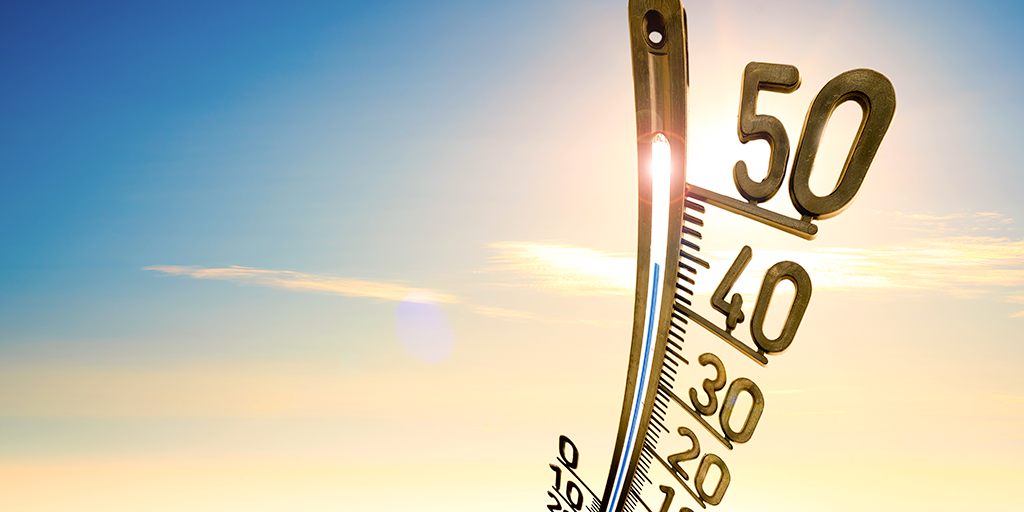
What images come to mind for you and your family when you hear the term “climate change”? Scorching summers with temperatures over 40 degrees? Flooded streets? Storms that uproot entire forests? Polar bears on melting ice floes?
When a word evokes a feeling or a thought, it is called an association. Whereas words such as climate change, make many people feel anxious, words like solution and together us to feel at ease. It is precisely the word “together” that is the solution. If you start talking about this topic with your loved ones, you’ll discover that there are many more people who are also thinking about the environment.
Together, you can come up with ideas for things you could do together—both to help the environment and to make yourselves feel better. It always feels better to do something than to do nothing.
No one can do everything, but everyone can do something. When enough people do good things for the environment, it can lead to great results!
Can worrying about the climate cause anxiety?
We are affected by everything that happens around us. The closer something happens, the more it affects us. If our neighborhood is hit by a wave of break-ins, we become worried and feel unsafe.
One of the reasons we so easily turn a blind eye to the seriousness of the climate crisis is that it’s not about something happening in our own neighborhood. It’s about millions of things happening all over the world—how could anyone ever do anything about it?

Of course, you can't. However, every neighborhood around the world is made up of families, just like yours, and if every family does one small thing, it will have a big impact!
We need to start by breaking down the vast and abstract concern of “climate change” into smaller challenges that we can tackle. Everyone can sort their trash. Everyone can choose to eat more vegetarian meals and less meat. We can hold our politicians accountable, and we can choose to take the train instead of flying.
We need fewer tasks, and we should ideally start with one task at a time. If something feels too overwhelming, we shut it out—we simply stop thinking about it.
Anxiety in itself isn't dangerous; it's just the body's way of telling us that something isn't right. It can feel like worry, restlessness, or discomfort; you might get a stomachache or a headache, and it can be hard to focus or fall asleep at night. However, it's never dangerous, and the anxiety goes away when we start talking about our feelings.
Do you need to talk to an adult who will listen?
If so, you can contact BRIS—it’s free and anonymous. CALL 116 111, or visit www.bris.se to chat or send an email.
From Worry to Action
So what do we do if we’re actually afraid of climate change and what it might mean for our planet and our future?
1. Accept the feeling
It’s natural to feel afraid or nervous about things you can’t control. If you’re afraid of climate change, it just means your inner alarm system is working. Your emotions are perfectly normal.
2. Let others inspire you
Fortunately, there are many people who have sensible ideas and do good things for nature. There are also people who try to influence our politicians. You don't have to come up with new ideas on your own—you can also choose to join organizations that already have good plans!
3. Take action!
Then it’s just a matter of getting started! You don’t have to do anything on your own—there are many people who feel and think just like you and who also want to protect our planet. All you have to do is put on your shoes and go to the next informational meeting, or visit their website and read about what you can do. There’s only one of you—YOU are very important to the planet!