TIP 3: Make a difference with your food choices!
Our thoughts about food influence our eating habits. It’s clear that we’re more conscious of the environment today, as more people have started buying organic and locally produced foods.
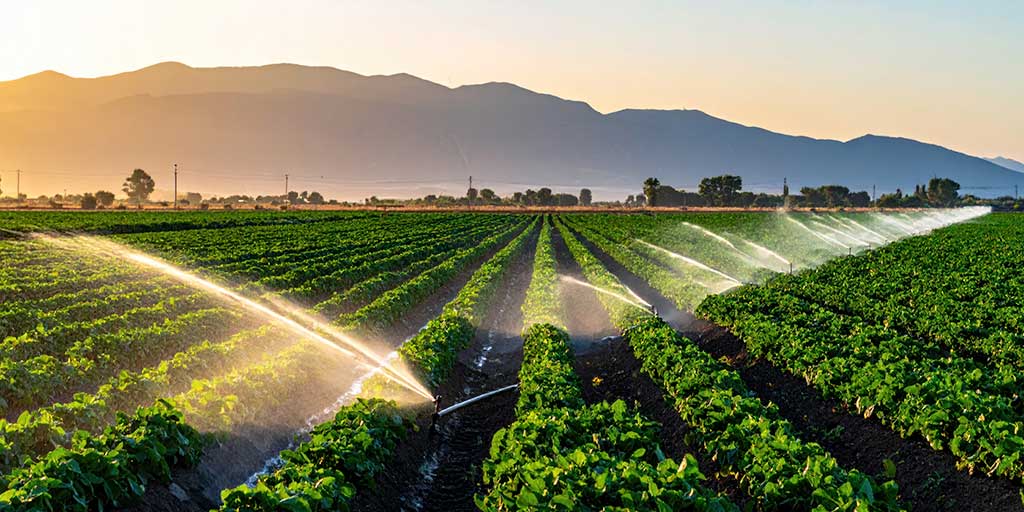
Agriculture uses a great deal of fresh water. A quarter of all the energy we consume goes toward producing food and raising livestock. Vegetarian food is more environmentally friendly because it requires much less water than meat production.
Every time we walk into a grocery store, we have an opportunity to influence what’s available. When we in Sweden decided to buy only organic bananas, all the grocery stores suddenly started selling them. That also led to a drop in price.
As meat consumption
has declined, more vegetarian options have also become available.
Have you noticed this at
your grocery store?
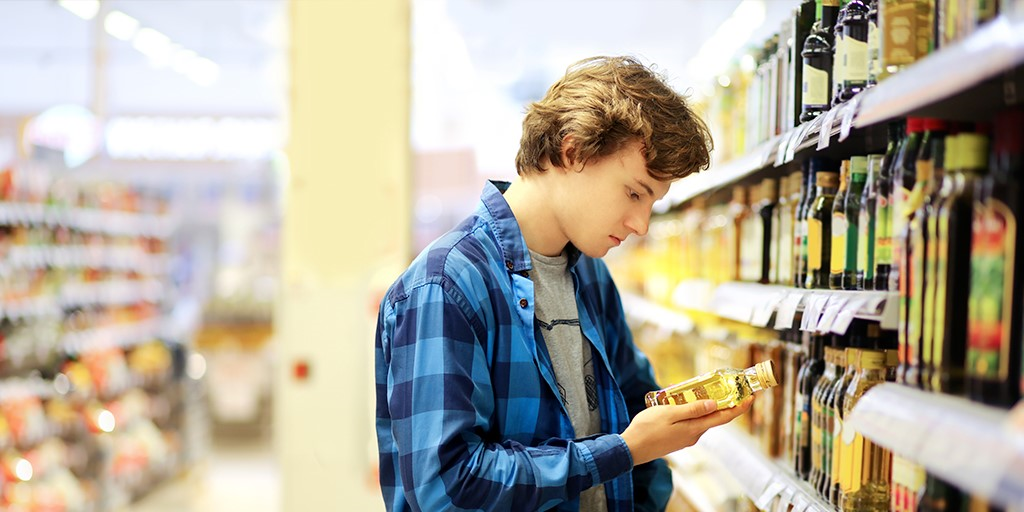
In other words, food isn’t just food—it’s also a statement. Every time we choose something to eat or drink, we send a message to food producers. That is, if we can afford to choose. If you have very little money, you have to focus on finding food that’s as cheap as possible.
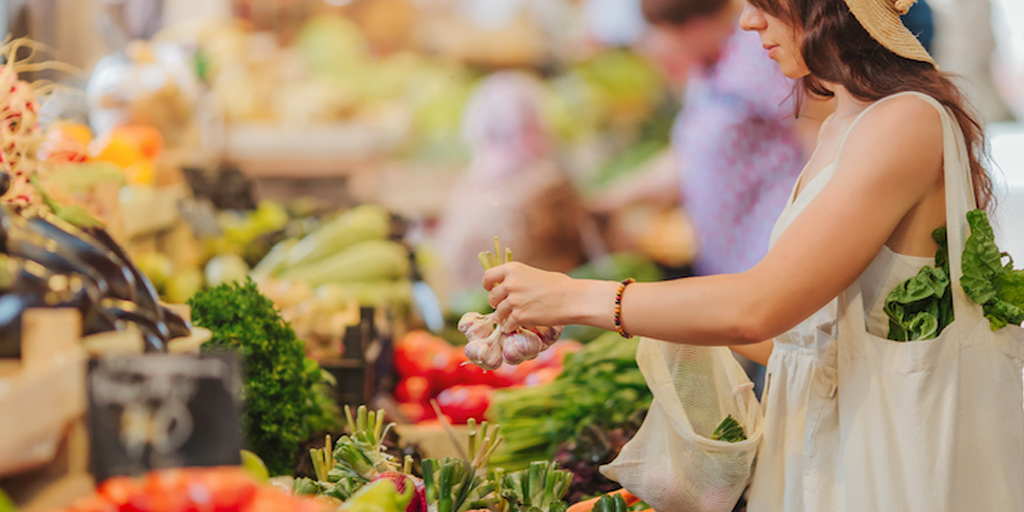
Have you noticed how many options there are in the organic and eco-labeled product lines? The next time you go shopping, maybe you could suggest trying a new organic product? If many people make a small change in their daily lives, it can have a big impact.
Many different eating habits
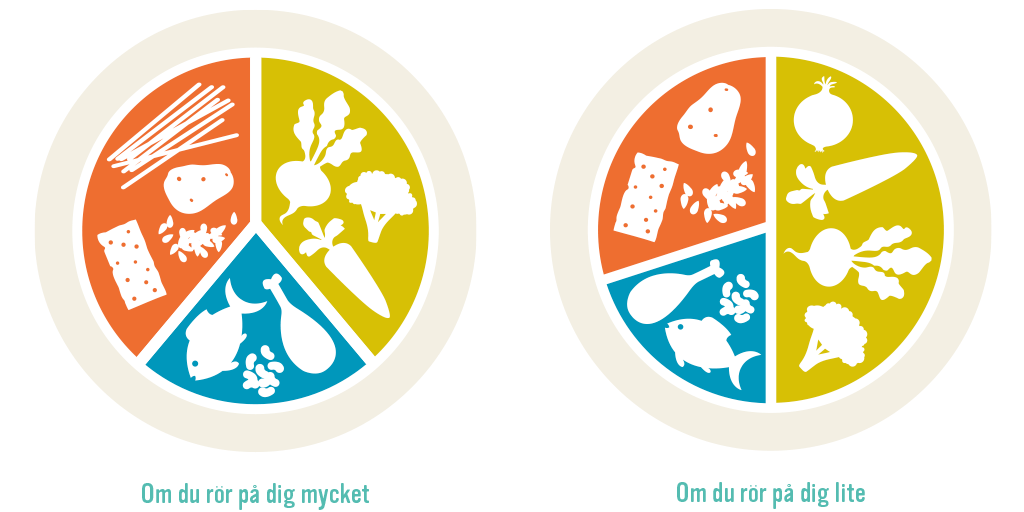
We all have different food preferences. Some people eat meat, while others are pescetarians, vegetarians, or vegans. Our eating habits can also be influenced by food allergies. No matter what your diet consists of—meat, fish, or vegetarian foods—you’re doing something good for the environment when you choose foods with an eco-label.
Eco-labels in Swedish stores
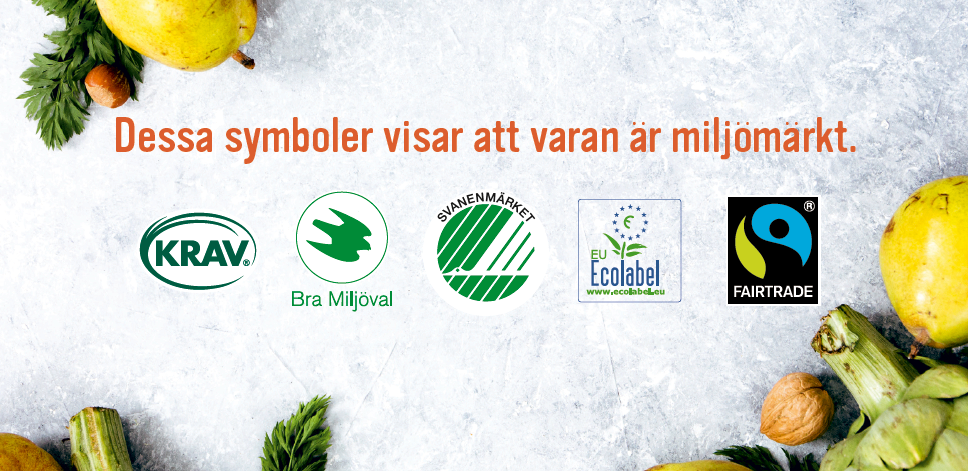
REQUIREMENTS
- The KRAV label indicates that the food is organic. The label also sets high standards for biodiversity, reduced climate impact, good animal welfare, and better working conditions.
Good Environmental Choice
- The Swedish Society for Nature Conservation's own eco-label for products that are the least harmful to the environment.
The Swan
- The label sets requirements for sustainable production and the protection of ecosystems.
Ecolabel
- An EU label indicating that the product is environmentally friendly.
Fairtrade
- The food has been produced in a more ethical way. The farmers who grew the produce are paid enough to make a living.
You can trust products with these symbols!
Buy locally grown and locally produced foods
The proximity principle can be applied to many products. You can choose to buy oats grown in Sweden and potatoes grown in your region. The closer the food is produced, the less air pollution there is before it reaches your plate.
Many meat-eaters choose to eat smaller amounts of meat, which is, in turn, of higher quality. For example, they choose Swedish meat from animals that have been allowed to graze freely and are not transported abroad for slaughter. Everyone benefits from this. The animals experience less stress, and the environment is spared unnecessary air pollution.
Carry your groceries home. Whole islands of plastic waste are bobbing around in the world’s oceans. We can protect the oceans by avoiding plastic as much as possible. Feel free to carry your groceries home from the store in paper bags or cloth bags.
Eat more vegetarian and organic foods
The most important reason for growing and producing organic food is to protect the soil. When we reduce the amount of chemical pesticides in the soil, the soil is spared from toxins—and so are we.
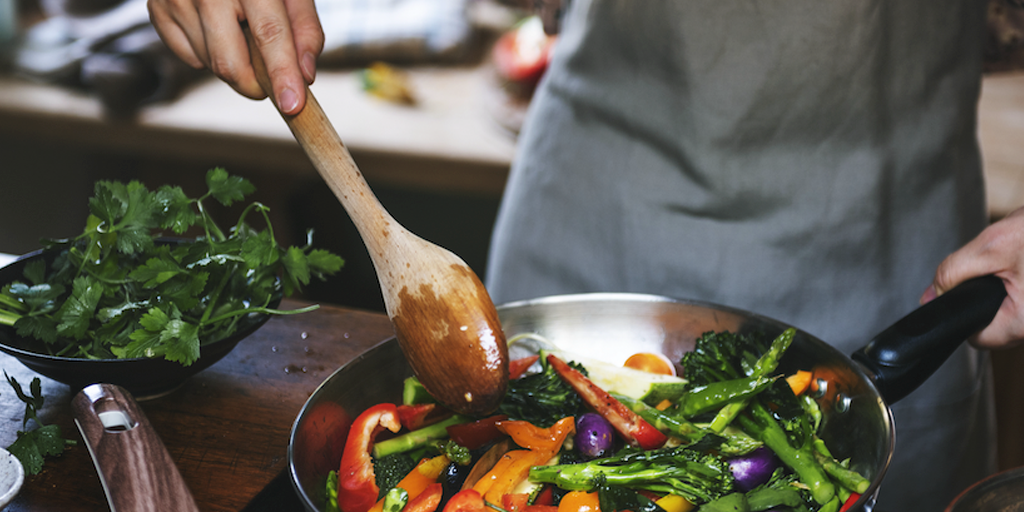
Organic farming takes a long-term approach. Because the goal is to keep the soil nutrient-rich for the future, the fields are allowed to lie fallow from time to time. If the soil is cultivated too intensively, some of the essential minerals are lost.
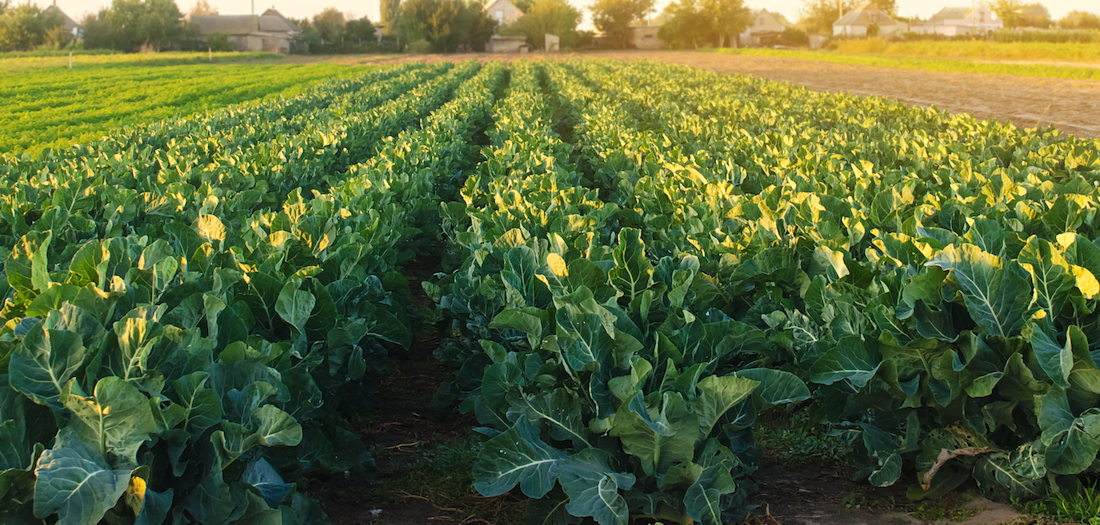
New Ideas, New Eating Habits
The organic meat comes from animals that graze in pastures and are fed organic feed that is largely grown on the farm itself.
The fact that organic meat has become popular is good for both animals and the environment. Meat production still causes far more greenhouse gas emissions than vegetable farming.
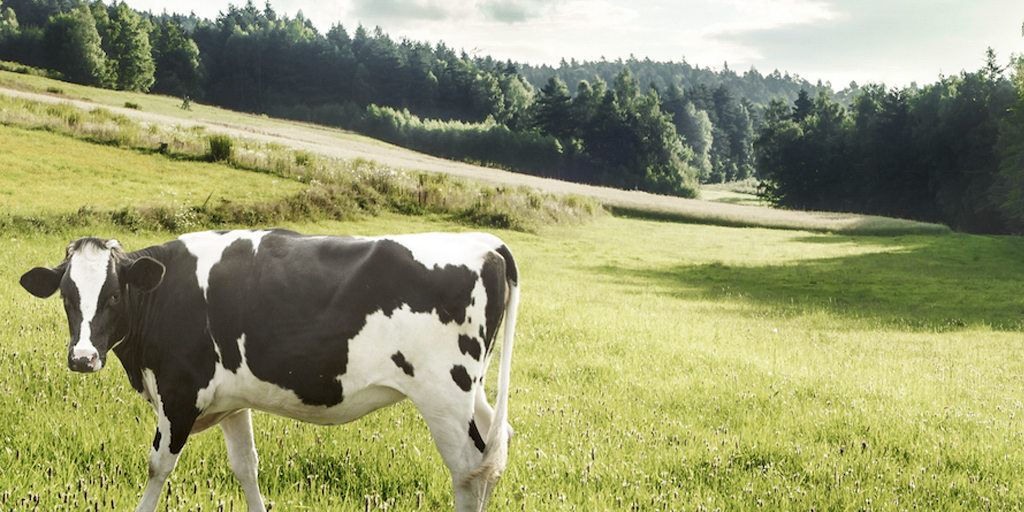
Cows and sheep emit much more of the potent greenhouse gas methane than pigs and chickens.
The most environmentally friendly option is vegetarian food. Not everyone needs to stop eating meat right away, but if we all try to eat vegetarian a little more often—at least once a week—it will make a difference for the environment,
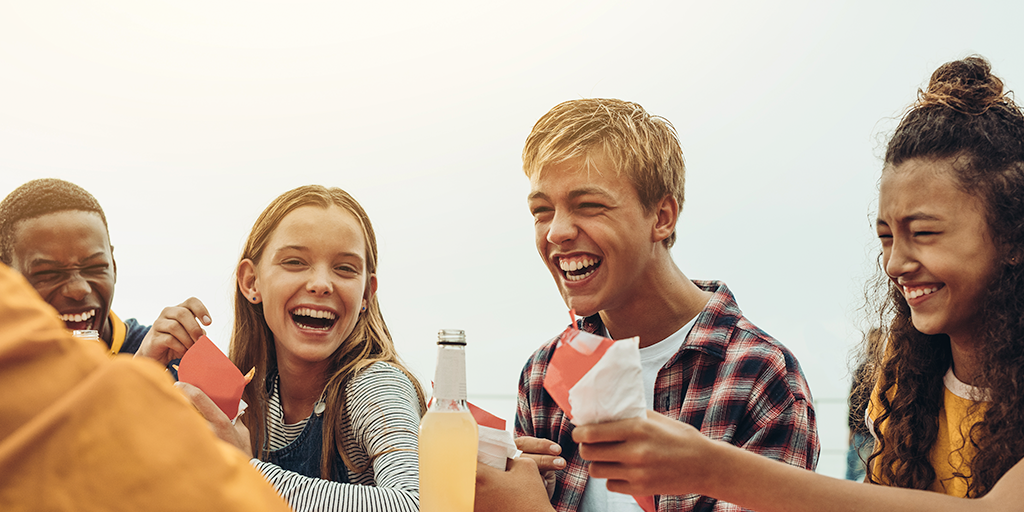
Impress your friends with a delicious vegan pizza!
There are endless ways to customize a vegetarian pizza. How about pineapple, olives, and onions? Tomatoes, artichokes, and corn? Or why not bell peppers, corn, and tomatoes? Search for recipes online—you’ll find plenty!
Our Valuable Food
When our grocery shopping isn't affected by inflation or external factors, we tend to buy more food than we need. This is most evident in the fact that we throw away a lot of food.
Europe's food producers also produce more food than the market needs. The result is massive piles of food that are never sold and are then thrown away.
When we throw away food, we’re really throwing away our money. We paid for something we never used. We could have spent that money on something fun instead, like a trip to an amusement park or a meal at a restaurant.
On average, we throw away a quarter of all the food we buy. That's 25 percent of what we normally spend on food each month.
You can freeze these!
Milk and cream only last three months in the freezer, while most other items last for a year. Feel free to label the package with today’s date. You can freeze all of these items to eat later:
- Bacon
- Bananas
- Bread
- Broth
- Berries
- Stews – you might need to add a little extra seasoning.
- Vegetables—they work best if they don't contain a lot of water.
- Milk and cream—can be used in cooking, but not whipped.
- Pasta Sauce
- Pizza Dough
- Rice—but it tastes best as fried rice afterward.
- Butter – keeps very well in the freezer.
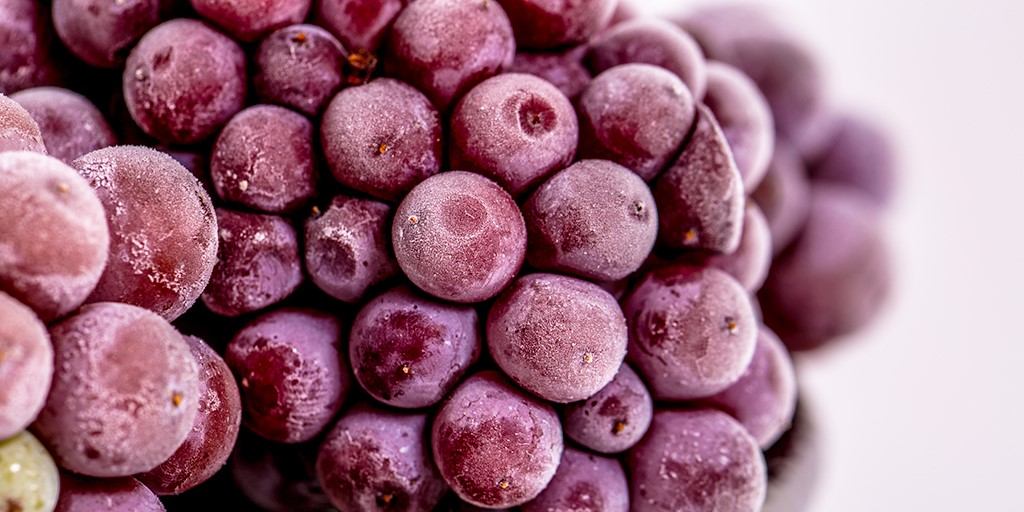
- Grapes—super-delicious snacks on hot days.
- Herbs
Your best freezer buddy—the ice cube tray!
A lot of food can be frozen. One clever way to do this is to use an ice cube tray. You can fill the small compartments with different things and pop out a cube whenever you need it.
- Squeeze lemons that are starting to get old and pour in the lemon juice.
- Add chopped apple—you can use it in porridge.
- Old cheese rinds can be grated and used in an omelet or on a pizza.
- Pour the chickpea cooking liquid into a bowl—that's all you need to make vegan mayonnaise.
Our own freezer bags
You can use empty milk cartons for freezer storage. Cut off the top so that it forms a rectangle. Put the food you want to freeze inside. Fold down the edge and tape it all around with painter’s tape. Be sure to write on the tape what’s inside the carton.
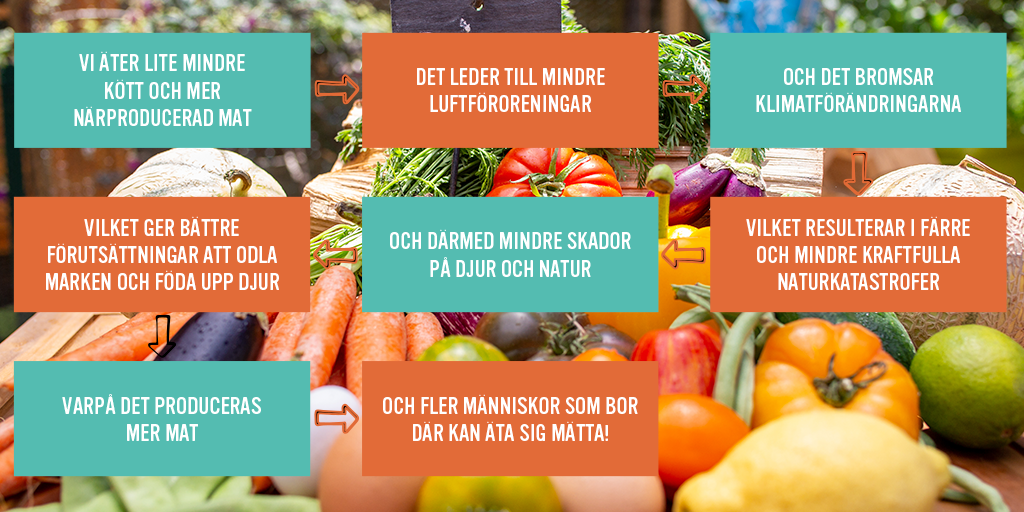
Cause and Effect
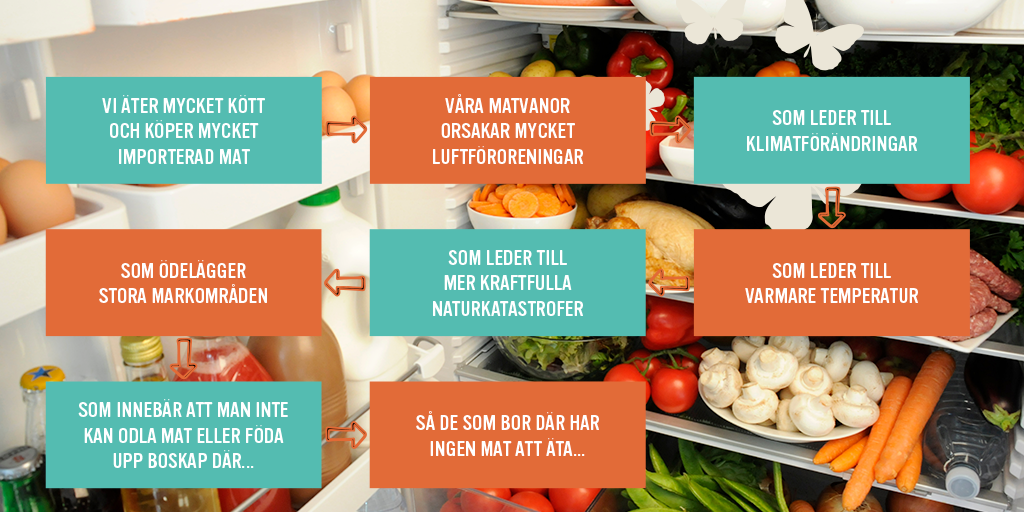
There is a proverb that goes, “The flutter of a butterfly’s wings can create a hurricane.” This means that a small action can have major repercussions. Every chain of events grows larger with each step forward.
All actions have consequences. One way to figure out what consequences a particular action might have is to use a chain of cause and effect. We can look at what such a chain might look like when it comes to our eating habits
The good thing about cause-and-effect chains is that they are neutral. No matter how terrible the consequences may seem, they do not judge our actions; they simply show what the consequences will be. They also give us the opportunity to replace the key component — the first box.
What happens if we replace the first link in the cause-and-effect chain of our food products?How would that affect the next link—and the one after that?