TIP 6: SAVE ELECTRICITY AND CHOOSE ECO-LABELED ENERGY!
Before electricity was invented, we used bonfires, candles, and kerosene lamps for light. We traveled by horse and buggy or walked wherever we needed to go. Even today, that’s what life is like for millions of people.
Even in modern societies, where people are completely dependent on electricity, people can run into problems if electricity prices suddenly skyrocket. In such cases, it’s important to be able to quickly adapt and improve energy efficiency.
Energy efficiency is about conserving energy and using it when it is most readily available. Reviewing energy use does not have to involve expensive renovations. You can go a long way simply by raising awareness. The benefits include lower electricity bills, a more comfortable indoor climate, better air quality, and a reduced environmental impact.
Choose climate-smart energy
Energy is a force found in the sun, the earth, water, the wind, plants, and everything that is alive. It causes things to move, change, or perform an action. There are different forms of energy. The sun, the wind, and water provide us with flowing energy. The sun’s rays shine down on us, the wind blows, and water rushes—all these words describe some kind of movement. These energy sources are also renewable, which means they can be replenished over and over again. That’s why it’s a good idea to switch to eco-labeled green electricity!
Plants and trees provide us with energy in the form of fuel for cars and heat for homes. The energy we get from the plant kingdom is called biofuel.

Heat consumes energy
Because of Sweden’s cold climate, a lot of energy is used to heat homes. Some people use district heating, which involves heating water that is then sent to the radiators in the homes. You can purchase eco-labeled district heating and electricity.
The sun is a fantastic source of energy that is also free and will never run out. For more than half the year, rooftop solar panels are the most environmentally friendly way to produce heat and hot water.
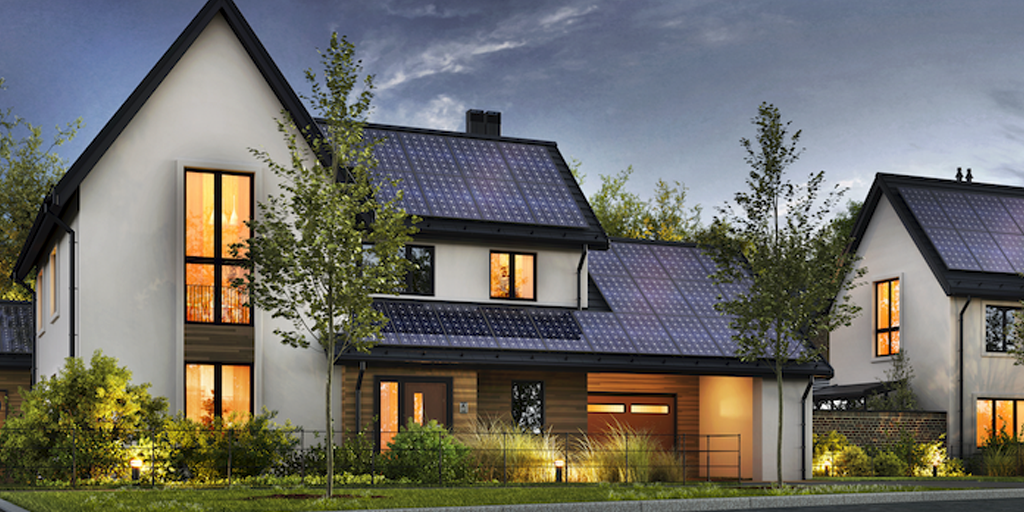
During the dark months of the year, solar panels need to be supplemented with another form of energy. For example, wood pellets, which are also environmentally friendly and clean. Some homes are heated using electricity or a furnace. Others use heat pumps that harness heat from the ground, groundwater, or the air. We have many energy sources to choose from to produce electricity and fuel. Some are better for the environment than others.
A ground-source heat pump heats a home by utilizing the solar heat energy stored in the bedrock. A hole is drilled into the rock, and a heat exchanger filled with fluid is placed in the hole. This fluid is heated by the stored solar energy and then pumped up to the ground-source heat pump.
Take the Test - How Energy-Efficient Is Your Family?
Your answers are worth 1–4 points each. Record your answers, add up your points, and check the results on the last page.
1. We turn off the lights…
2. When we're not using the computers…
3. Once we've charged our cell phone…
4. Many of our gadgets are battery-powered and…
5. When we turn off appliances and turn off the lights, we do so because…
6. We usually take a shower for about…
7. If we're going to wash something, we'll wash…
8. If we're going to cook pasta…
See if you're energy-smart!
Your family's answers are worth different points! Add them up and see what level you ended up at.
You’re true environmental heroes! You simply can’t help but always do your best to protect nature! If they could, the trees would bow to you as you walk by…

You’ve heard people talk about the environment and the need to conserve energy. It sounds reasonable, you think. And then you forget some of it. Go outside and pick some beautiful flowers or listen to the birds chirping—fall in love with nature!

Um… have you thought about the fact that the electric bill will have to be paid someday? You might as well start saving energy now—turn off the light! It only takes a second to turn it back on!