TIP 11: STAY STRONG IN THE STORM – BEING PREPARED IN A CRISIS SITUATION
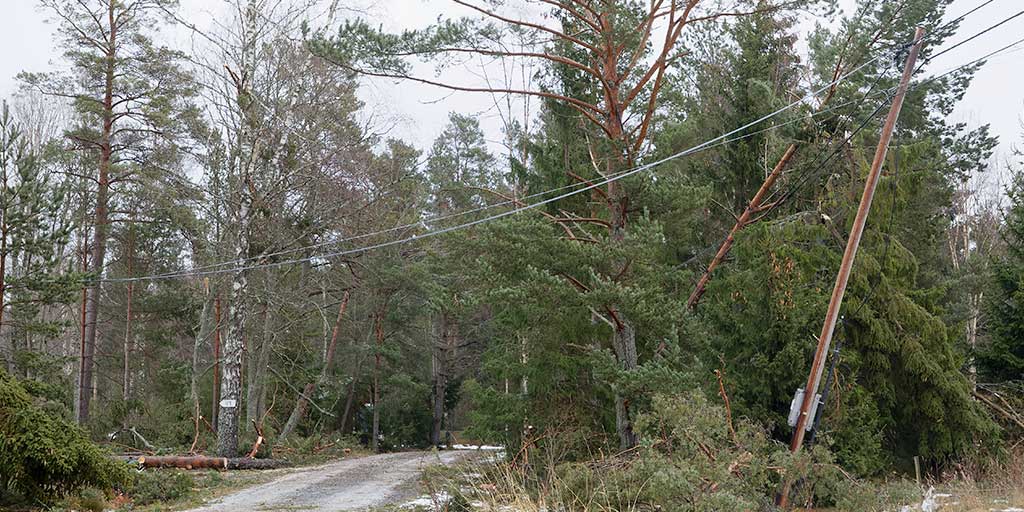
These days, there’s a lot of talk about preparedness—about getting ready for unforeseen events such as storms that knock trees onto power lines and droughts that cause water shortages and fires.
We use the internet a lot. We chat with each other, send emails, play games, learn new things, find important information, and book tickets. Our dependence on the internet can become a problem if it suddenly stops working. That could affect many aspects of our daily lives.
Your municipality will help all residents, but it may take some time. That's why we all need to have enough food and water at home to last at least a week. The adults in your life will take care of this, but everyone in the family can help!
That means it's a good idea to be prepared to get by without the internet for a while, in case something like that were to happen.
Emergency Information on the Radio
Sveriges Radio P4 is the radio station to listen to when something happens. Every county in Sweden has its own P4 station that provides local news to its residents.
The radio frequencies for the various counties' P4 stations—write them down and save them!
Blekinge
County: 87.8–100.7
Dalarna:95.9–103.4
Gotland:100.2
Gävleborg County: 89.6–103.8
Halland: 97.3–103.8
Jämtland:88.2–103.6
Jönköping County:89.1–103.4
Kalmar:91.2–107.8
Kronoberg County:99.5–101.0
Norrbotten County:96.9–103.7
Skåne:89.5–103.7
Stockholm County:93.8–103.3
Södermanland County:88.7–100.1
Uppsala:95.2–107.3
Värmland County:92–105
Västerbotten County: 100.2–103.9
Västernorrland: 94.5–103.9
Västmanland County:100.5
Västra Götaland County:93.8–103.7
Örebro:89.8–102.8
Östergötland:94.8–103.9
P4 will continue broadcasting even if the internet or your cell phone stops working.
That’s why it’s a good idea to know which P4 station is yours, so you can listen in case something serious happens.
Frequency…?
We have two different types of radio frequency—analog and digital.
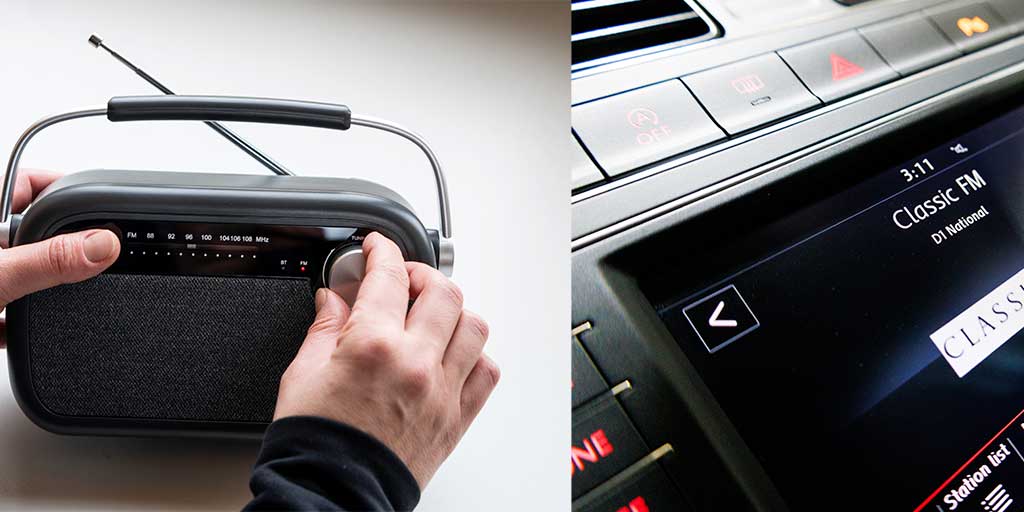
Listen to the radio at home or in the car
There’s often a button or a setting labeled “P4” followed by the name of your region.
For example: P4 Malmöhus, P4 Stockholm, or P4 Gothenburg.
The classic radio that’s been around for a long time. The radio with an antenna, which is also common in cars. The analog radio transmits radio signals as waves through the air. The sound comes through immediately, right now. You turn a dial or press a button to find the right frequency.
Digital radiotransmits sound as data, much like when we send text messages. When the sound fills the room,
the data—the ones and zeros—has been converted
into analog sound waves. The sound comes via the internet (web radio) or is transmitted through digital
radio signals (DAB radio). With digital radio, you can often pause and rewind,
and you can select a specific program.
We listen to digital radio on cell phones, tablets, and computers with an Internet connection, as well as on DAB radios and in newer cars. Digital radio can carry many channels on the same frequency.

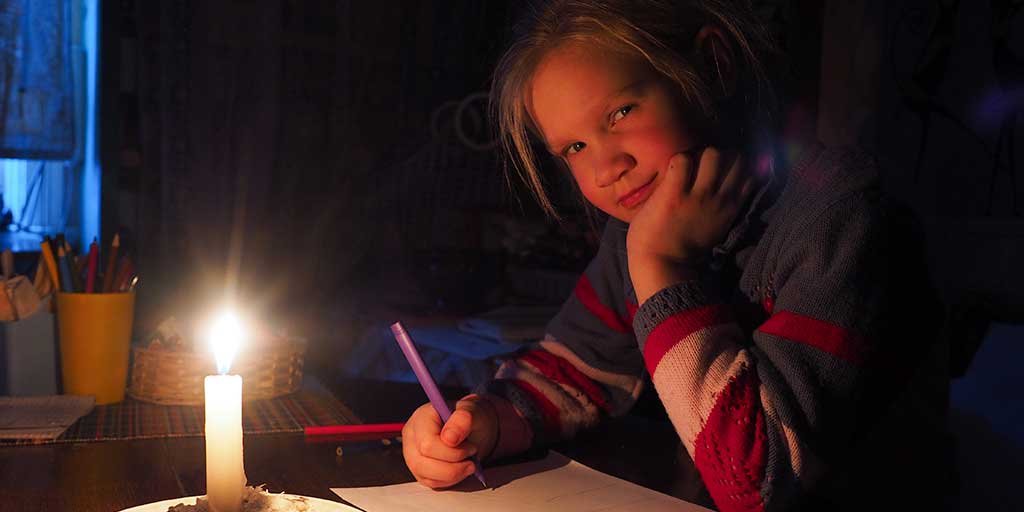
Which radio works during a power outage?
Analog radio (FM), wind-up or battery-powered = Yes
Digital radio (DAB) with battery = Yes
Digital radio via the Internet = Usually no
Digital DAB radio transmits radio programs digitally over the air, while internet radio transmits programs digitally via the internet.
VMA
Important Notice to the Public
A VMA is an important warning message that is broadcast when something serious happens. It could be a major accident, a fire with hazardous smoke, or a situation where something in the community isn’t working as it should. When a VMA is broadcast, the goal is for everyone to know what’s happening and what they should do to stay safe.
There are several ways to hear a VMA:
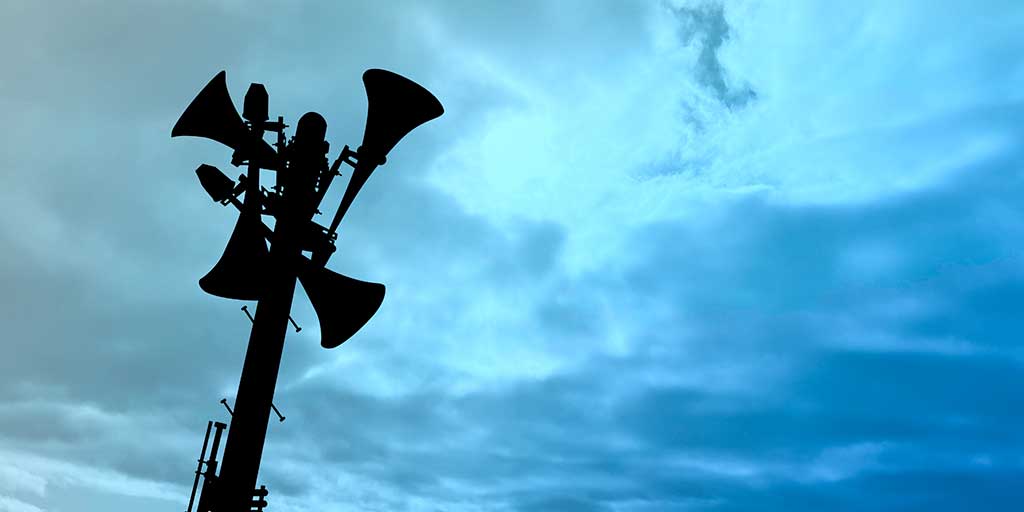
- Sirens: Hesa Fredrik emits long, high-pitched signals. You can hear it when it’s tested—four times a year. It’s always at 3:00 p.m. on the first Monday in March, June, September, and December. As soon as a test is conducted, they announce it on all Sveriges Radio channels.
- Radio: Sveriges Radio's P4 channel reports on what has happened.
- Cell Phone: We can receive messages on our cell phones.
- You can also get the information on TV and online.
If something serious happens!
Call 112
Sometimes accidents happen. A fire might break out, two cars might collide, or someone might fall from a great height. In those cases, quick help is needed.If you witness a serious accident, call 112.That’s the emergency number we call when someone needs immediate help.
When you speak with the person at SOS Alarm, it's important that you tell them:
- what has happened
- where it happened
- who you are
While you're explaining all of this, SOS sends an alert to the fire department, the police, or the ambulance service. They head out as quickly as they can to help.
Task 1: Drinking Water and Cooling Coil
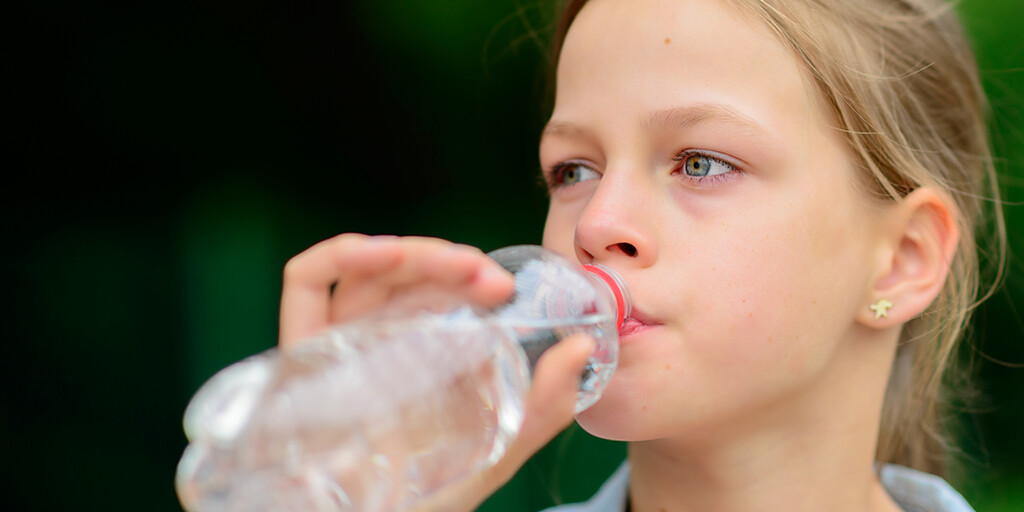
1. Rinse out a large PET bottle.
2. Fill it with water. NOTE: Do not fill it all the way to the top; water expands when it freezes—a full bottle may crack in the freezer.
3. The frozen bottle can be used as an ice pack, and once it has thawed, you'll have extra drinking water.
Our Water Preparedness
All households in Sweden need to store water for at least one week. About 3 liters per person per day, plus a little extra if you have pets.
- One person for 7 days: 21 liters
- Two people for seven days: 42 liters
- Three people for seven days: 63 liters
- Four people for seven days: 84 liters
The Best Preparedness—Community
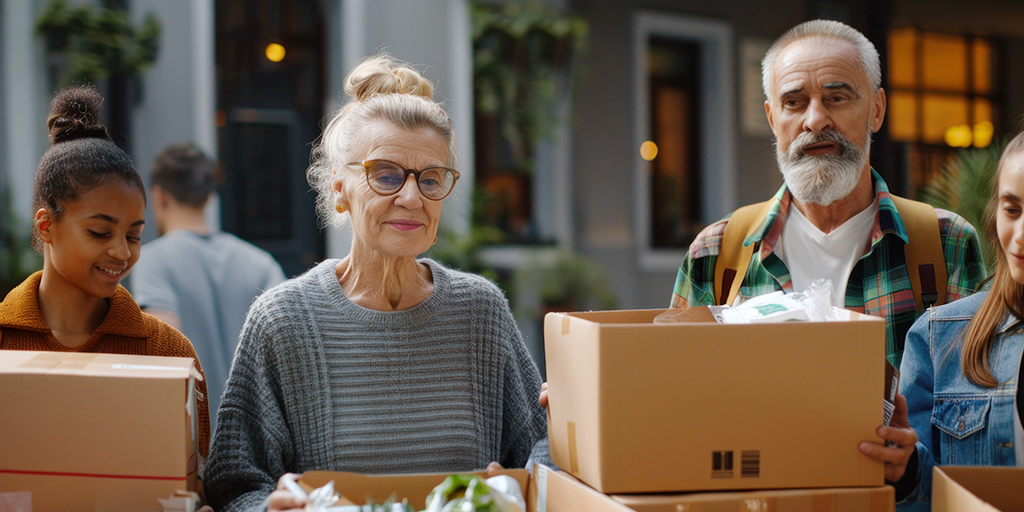
Few people have everything they need, whether in life or in their emergency kit. We can solve most problems—together. Have you heard the saying “No one can do everything, but everyone can do something”?
It's the same with preparedness: No one has everything, but everyone has
something.

In one house live people with various talents and emergency kits. The family with children on the bottom floor has a fully fueled car. The man on the top floor has 100 liters of water. The woman on the windowsill has ten sacks of rice. The cat owner has 150 candles. The woman who works from home has three power banks and a solar-powered cell phone charger.”
Assignment 2: Create a phone list
Most people don't know their family's or friends' phone numbers by heart. If your cell phone dies and can't be charged, you might have to borrow someone else's. But they don't have your numbers...! That's when a phone book comes in really handy.
Create a phone list with your family!
Police, fire department, health clinic, locksmith, and plumber are important phone numbers to have close at hand, but don’t forget about family, relatives, and friends. Sometimes there are people close to you who are especially skilled at various things— maybe someone who’s good at fixing things, someone who knows a lot about first aid, or someone who always knows what to do when things get a little tricky.
It might be a good idea to write down the phone numbers of those people as well. That way, you’ll always know who to call if you need help—both in everyday situations and if something unusual were to happen.

Home Preparedness Checklist
Write down your own "to-remember" list.
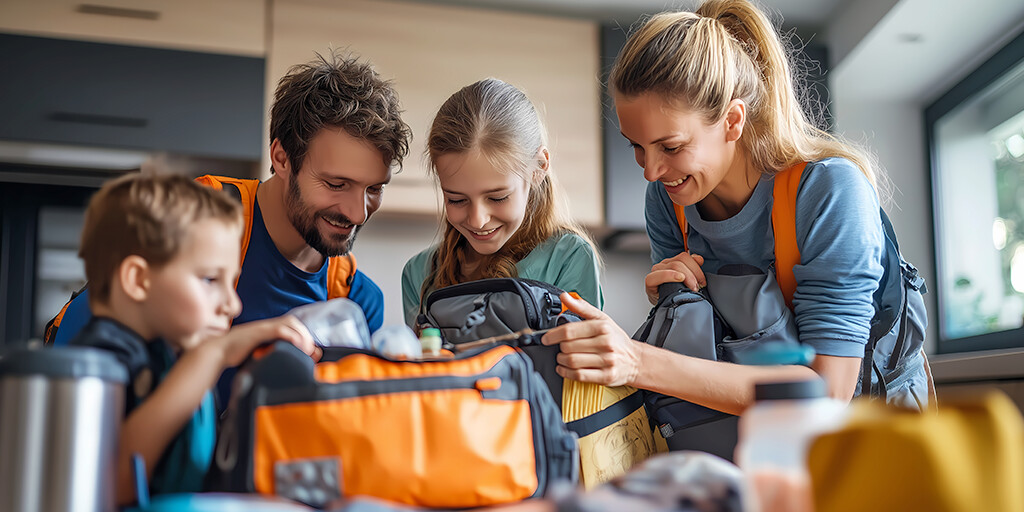
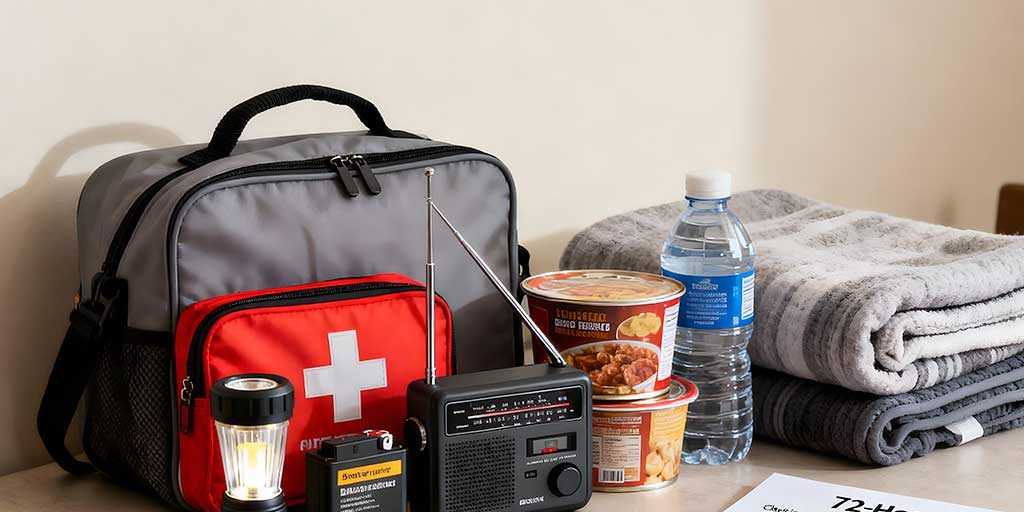
Sometimes things can happen that cause a power outage or make it impossible to go shopping as usual. In those cases, it’s good to be prepared! As a family, you can put together your own emergency kit—a box filled with important items that will help you if something unexpected happens. In it, you can include, for example, flashlights, water, some food, a blanket, and items that will help you stay warm and safe.
An emergency kit is a smart first-aid kit that helps you cope better if something happens. Then you won’t have to worry, because you’ll know you’ll be okay. Putting together the emergency kit is something you can all do together. It’ll feel good to be prepared!
- Drinking water for one week – 3 liters per person per day.
- Food that does not need to be stored in the refrigerator or freezer.
- Camp stove/gas stove or food that doesn't need to be cooked.
- Flashlight, candles, tea lights, matches, and a lighter.
- Cash.
- Mobile & solar-powered power bank.
- Blankets & sleeping bags.
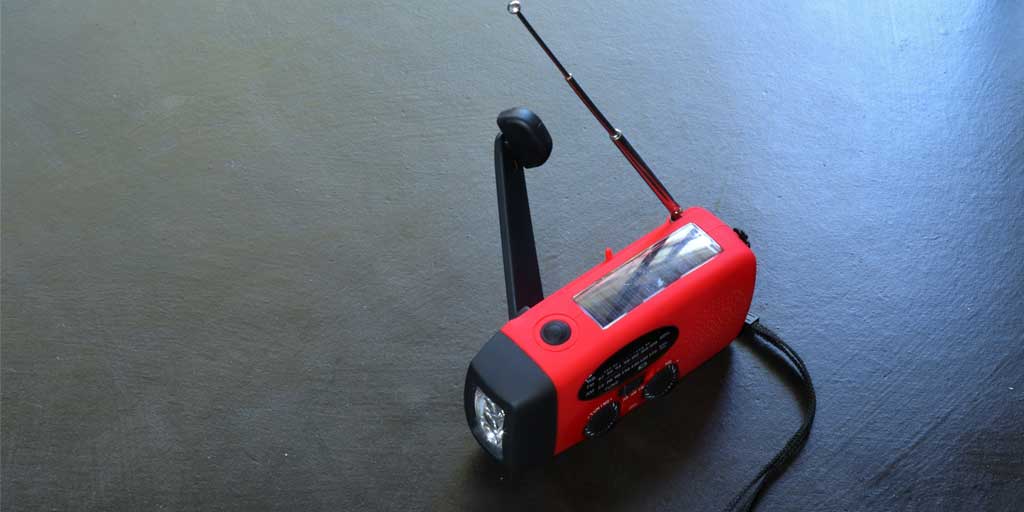
- A wind-up radio for getting information.
- Plastic bags, toilet paper, wet wipes, and possibly diapers and sanitary pads.
- List of important phone numbers and addresses.
Test Your Family
Who do you call if a fire breaks out somewhere?
Why is it a good idea to make a phone list?
How much water do 4 people need in a week?
On which radio station can you hear the Important Public Announcement (VMA)?
More information about home preparedness
To Parents
When something serious happens in society—such as power outages, storms, floods, explosions, accidents, or other crises—information spreads incredibly fast. If it can be difficult for us adults to process, we can imagine how it might be experienced by children.
Pictures and headlines can seem scary. At the same time, children are curious; they listen to adult conversations and pick up on more than you might think. Children have a hard time distinguishing between facts and rumors. That’s why you, as a parent, are incredibly important.

✔️ Explain calmly and simply! Tell them what happened using words appropriate for their age. Focus on the most important points and avoid details that might cause unnecessary worry.
✔️ Acknowledge your child’s feelings! It’s okay to feel scared, worried, or confused. Children need to hear that their feelings are normal and that you’re there for them.
✔️ Answer questions—but don't give too much information! Children often ask questions that get right to the point. Answer honestly but briefly. They need reassurance, not more details.
✔️ Show that adults are in control! Explain that there are people working to resolve the situation: emergency services, the police, medical personnel, and government agencies. This makes children feel safer.
✔️ Help your child find the right information! Both adults and children come across rumors on social media. Show them that there are reliable sources—such as Sveriges Radio P4 and krisinformation.se —and that those are the ones you should trust.
✔️ Be there for them! In crisis situations, it’s more important than ever for children to have extra time, routines, and a sense of security.
Learn more about emergency preparedness

Krisinformation.se - Crisis Information for Adults
Lilla krisinfo.se - Information for Children on Preparedness and Crises
When something serious happens in society, it affects children as well. Lilla Krisinfo provides information from Swedish government agencies aimed at children and young people.
Civil Defense Agency -Advice for Individuals
The Civil Defense Agency shares information with everyone living in Sweden. Here is our advice for you as a private citizen—on everything from civil defense shelters to emergency preparedness and fire safety.
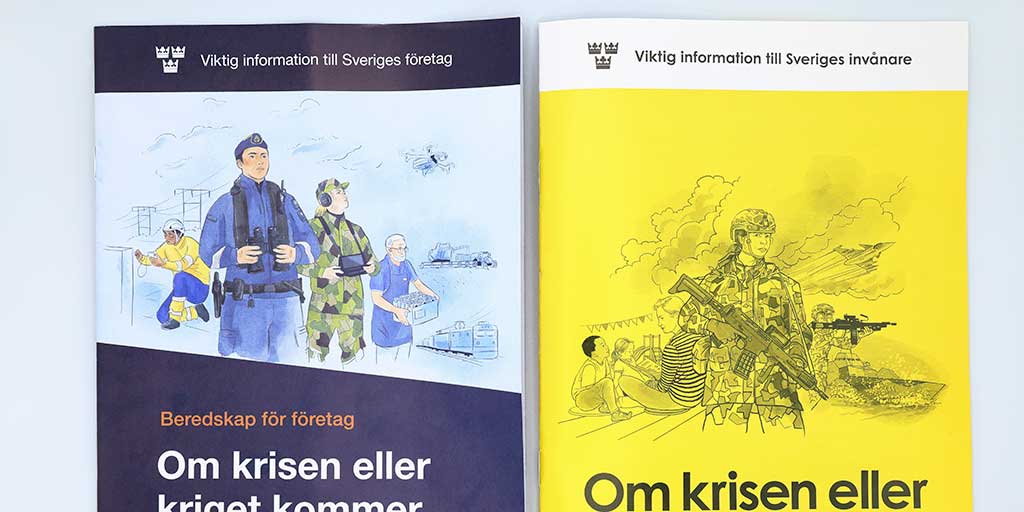
This brochure provides advice on how to prepare and what to do if a crisis occurs. You can download it digitally or order additional copies.